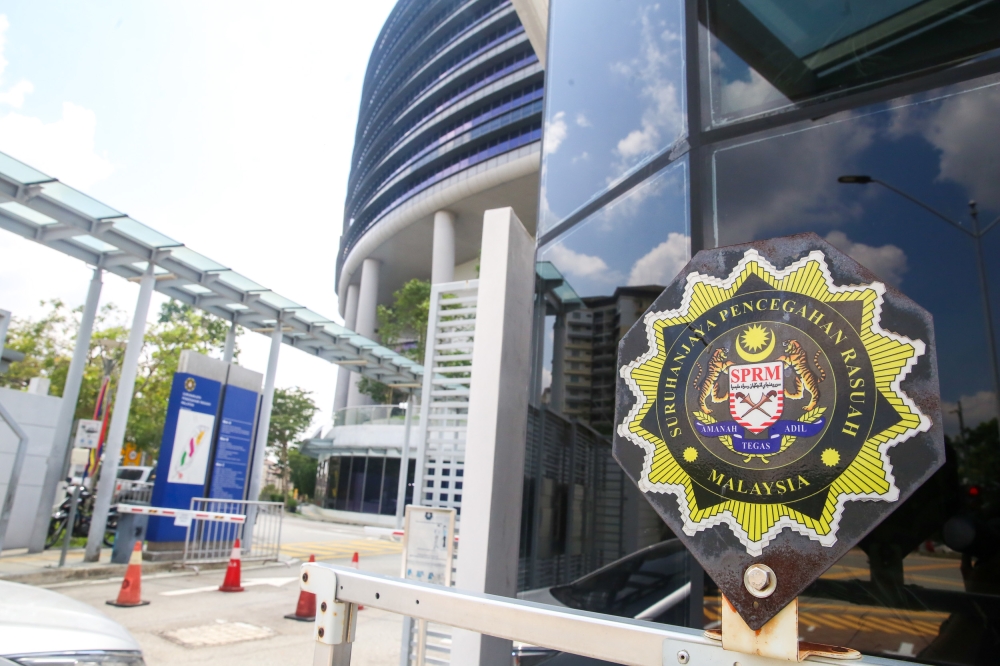
The Malaysian Anti-Corruption Commission (MACC) in Kuala Lumpur has remanded a former government employee for four days as part of an investigation into a sophisticated fraud scheme involving the misappropriation of emergency aid funds. The suspect, whose identity has not been publicly disclosed pending charge documentation, allegedly exploited administrative access and personal knowledge to register assistance claims under the names of 11 separate individuals, ultimately diverting approximately RM300,000 into personal accounts.
This development highlights a recurring vulnerability within Malaysia's social safety mechanism: the potential for insiders to weaponise their institutional position and database access against the very beneficiary system they were tasked to administer. The scale of the alleged fraud—affecting eleven households and a third of a million ringgit—suggests a calculated operation rather than isolated misconduct, raising questions about oversight protocols and audit trails within the relevant government department.
The modus operandi revealed in the case demonstrates how familiarity with application procedures, approval workflows, and personal documentation requirements can become a vector for systematic pillaging of public resources. Former civil servants occupy a particularly privileged position within this context; their training, credential history, and established credentials within government information systems can lend an air of legitimacy to fraudulent submissions that might otherwise trigger automated flags or manual scrutiny from junior processing staff.
For ordinary Malaysians awaiting legitimate assistance payments during economic hardship—whether through Covid-era relief schemes, unemployment support, or disability allowances—such breaches erode both the fund pool available for distribution and public confidence in the integrity of application processing. When government staff exploit beneficiary details to generate false claims, they effectively compete with genuine claimants for limited budgetary allocations, directly worsening outcomes for vulnerable populations.
The MACC's intervention signals that anti-corruption authorities are willing to pursue complex financial crime cases involving internal actors, even when the victims are dispersed across multiple benefit categories rather than concentrated in a single large transaction. This four-day remand period allows investigators to establish the full scope of the scheme, identify whether accomplices within the processing department facilitated approvals, and trace the flow of diverted funds across banking channels.
The investigation's focus on identity misuse rather than simple embezzlement indicates prosecutorial ambition to pursue multiple charges: fraud, forgery, dishonest misappropriation, and potentially identity theft legislation if the named individuals' consent was absent. Such a layered charging approach not only secures higher penalties but also demonstrates to the public that institutional corruption carries serious legal consequences beyond standard disciplinary dismissal.
This case arrives amid broader regional concern about civil service integrity across Southeast Asia. Malaysia's recent anti-corruption reform efforts, including the establishment of the MACC as an independent statutory body, depend on cases like this demonstrating tangible accountability for embedded wrongdoing. Public sector employees in neighbouring countries face similar temptations, and outcomes in high-profile cases in Malaysia often influence enforcement priorities and sentencing expectations across the region.
Government departments handling benefit distribution will likely face pressure to audit historical transactions for similar patterns, verify the authenticity of applications submitted by now-retired staff, and strengthen password protection and dual-approval mechanisms in their digital systems. Technology solutions—biometric verification at payment points, blockchain-based transaction logging, and artificial intelligence pattern recognition across claim databases—may be accelerated in response to demonstrable insider fraud.
The case also reflects the challenge facing law enforcement in distinguishing organised fraud rings from individual opportunism. Whether this former civil servant acted alone or in concert with colleagues in the processing unit, accomplices in the banking sector, or individuals among the eleven named beneficiaries willing to share proceeds, will significantly shape both the investigation's scope and public perception of systemic weakness versus isolated corruption.
For Malaysian taxpayers, the broader implication concerns the hidden cost of inadequate internal controls and insufficient investment in government IT infrastructure. Preventing RM300,000 in fraud costs substantially less than recovering it through legal proceedings, asset seizure, and restitution efforts, yet many departments remain under-resourced for real-time transaction monitoring and cross-reference verification that modern security architecture demands.
As the MACC pursues its investigation during this four-day remand period, pressure will mount on the relevant government ministry to publicly release departmental findings about how this scheme eluded initial detection and what corrective measures are being implemented. Such transparency, while politically uncomfortable, reassures citizens that systemic vulnerabilities are being addressed and that future aid payments—whether for emergency relief, unemployment support, or disability assistance—carry genuine safeguards against insider predation.

