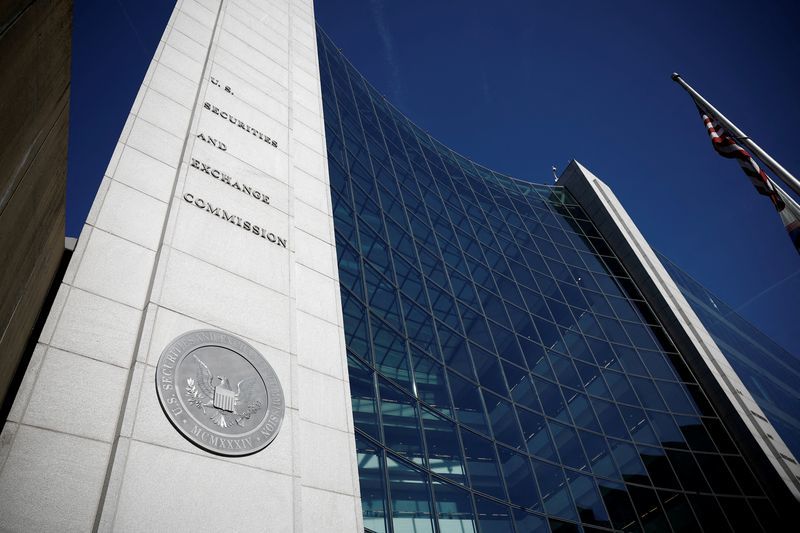
The United States Securities and Exchange Commission has filed civil charges against Jason Satsky, a former senior Bank of America investment banker, accusing him of sharing confidential information about a major corporate acquisition with a longtime associate. According to the regulator's complaint filed on Friday, Satsky allegedly disclosed non-public details regarding the impending takeover of South Jersey Industries, an energy holding company for which Bank of America was providing advisory services. The alleged tip enabled Satsky's friend and former colleague, Gavin Wolfe, to accumulate shares ahead of the public announcement and realise approximately US$18.5 million in unlawful profits.
The specific transaction at the heart of the SEC's case involves South Jersey Industries, which ultimately agreed to be acquired for US$8.1 billion in a deal publicly announced on February 24, 2022. Satsky, who held the position of co-head of Americas power and renewable energy banking at Bank of America, is alleged to have disclosed material non-public information to Wolfe in late 2021, months before the acquisition became public knowledge. Wolfe, who operates Evergreen Capital and has maintained a personal relationship with Satsky spanning more than two decades, capitalised on this purported tip by purchasing over 2.2 million shares in the South Jersey Gas parent company, valued at approximately US$53 million at the time of acquisition.
The allegation details multiple instances of communication between the two men regarding the potential acquisition, demonstrating what regulators view as a pattern of deliberate information sharing. Notably, the SEC's complaint references a particularly striking example of their interaction: an occasion when Satsky and Wolfe, accompanied by their respective wives, attended a nationally televised college basketball match between Duke and Kentucky at Madison Square Garden. Satsky had obtained premium seating through his employer, Bank of America, a venue and setting that prosecutors suggest provided an ostensibly informal environment for discussing confidential business matters.
When South Jersey Industries announced its acquisition, shareholders benefited from the transaction's completion, but Wolfe enjoyed an exceptional advantage. The acquisition resulted in a 36 per cent gain on Wolfe's investment, a return substantially above market expectations for the period. This outsized profit is precisely what drew regulatory scrutiny and triggered the SEC investigation into the mechanics of how Wolfe managed to position himself so profitably before public disclosure.
The SEC's enforcement action seeks comprehensive remedies against both individuals. The regulator intends to recover all ill-gotten gains accumulated by Wolfe through the trading scheme. Additionally, the commission is pursuing civil penalties against both Satsky and Wolfe, and is seeking permanent bans preventing either man from serving as officers or directors of public companies in the future. Such officer-and-director bans represent among the most severe sanctions the SEC can impose on individuals found culpable of securities law violations.
Both men have flatly rejected the allegations through their legal representatives. Satsky's attorney, Robert Anello, issued a statement asserting his client's innocence and confidence in vindicating himself through evidence. Anello emphasised that Satsky categorically denies providing material non-public information to Wolfe or anyone else concerning South Jersey Industries. Wolfe's defence counsel, Reed Brodsky, similarly issued a forceful denial, characterising the allegations as unfounded and pledging vigorous defence. Notably, Brodsky contended that his client's purchase of South Jersey shares was grounded in an independent investment thesis rather than information obtained through improper channels, and suggested that the SEC had overlooked sworn testimony and documentary evidence supporting this defence.
The professional backgrounds of both individuals reveal the interconnected nature of Wall Street's energy banking sector. Prior to their 2012 arrival at Bank of America, Wolfe worked as a senior power and renewable energy banker at Credit Suisse, giving him substantial expertise and industry connections in the sector. Evergreen Capital, which Wolfe established, principally manages assets belonging to the Wolfe family. This arrangement places Wolfe's personal investment decisions in closer focus, as the funds used to purchase South Jersey shares originated from family wealth rather than institutional capital.
Bank of America itself faces no allegations of institutional wrongdoing in the SEC's complaint, and the institution has confirmed that Satsky's employment has terminated. According to the regulator, Bank of America dismissed Satsky in March 2025, several years after the alleged misconduct occurred. The bank's swift action in severing ties with the charged employee demonstrates its effort to distance itself from the alleged conduct, though questions may persist regarding the adequacy of internal controls and compliance procedures that might have failed to detect or prevent such conduct.
This case illuminates persistent vulnerabilities in how financial institutions protect material non-public information, particularly within specialised banking divisions. Energy sector mergers and acquisitions often involve extended advisory periods during which investment bankers accumulate sensitive knowledge about pending transactions. The case also underscores how personal relationships and informal social settings, such as sporting events, can facilitate the transfer of confidential information in ways that may evade conventional compliance monitoring systems. For Malaysian and Southeast Asian investors and market participants, the case serves as a reminder that insider trading enforcement remains an active enforcement priority in major developed markets, and that regulatory consequences for such conduct can be severe and career-ending.

