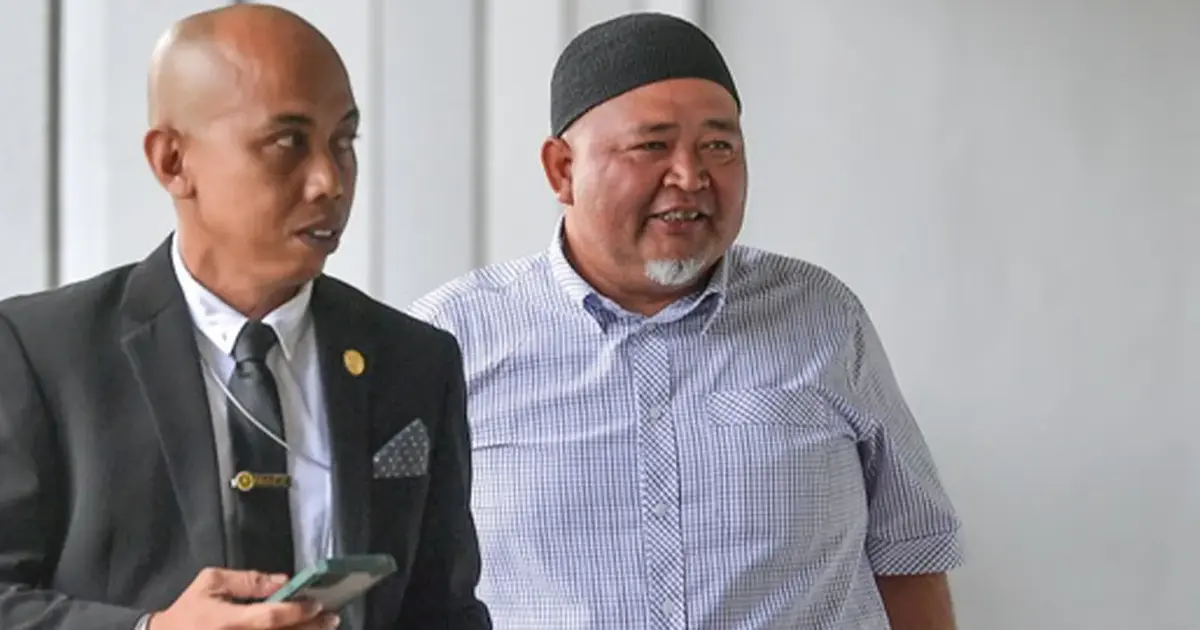
A former aide to the Kedah Menteri Besar has been ordered by a Kuala Lumpur sessions court to present his defence following a judicial finding that prosecutors have established a credible case against him in relation to allegations involving bribery and rare earth element operations. Judge Suzana Hussin delivered the ruling, marking a significant development in what has become a closely monitored case touching on both political circles and Malaysia's critical minerals sector.
Hilmi Abdul Wahab now faces the prospect of presenting evidence and testimony to counter the allegations laid against him. This procedural transition represents a critical juncture in the case, as the burden shifts from the prosecution needing to prove the groundwork of their case to the defence attempting to establish reasonable doubt or alternative explanations for the circumstances in question. The judge's determination that a prima facie case exists indicates that the evidence presented during the prosecution's case has met the threshold required under Malaysian criminal procedure law.
The involvement of rare earth elements in this matter carries particular significance for Malaysia's economic and strategic interests. Rare earth metals are essential components in modern technology, from renewable energy systems to advanced electronics and defence applications. Malaysia possesses substantial rare earth reserves and has long grappled with balancing resource extraction with environmental and social considerations. Any allegations of improper conduct in this sector warrant careful scrutiny, as corruption in such industries can undermine confidence in regulatory frameworks and potentially distort market competition.
The connection to Kedah's political leadership, however tangential through the aide's former role, reflects broader concerns about governance standards in state administrations across Malaysia. Menteri Besar offices wield considerable influence over land use, licensing, and regulatory decisions that can substantially benefit or disadvantage commercial enterprises. When allegations suggest that such authority might have been leveraged improperly in exchange for financial benefit, public trust in state-level administration is directly implicated. This case therefore extends beyond the individual defendant to raise questions about institutional safeguards and oversight mechanisms.
The timing and nature of charges against a political aide also illustrate the Malaysian Anti-Corruption Commission's continuing investigations into suspected misconduct at various administrative levels. In recent years, Malaysia has intensified its anti-corruption enforcement following periods of heightened public concern about graft and misuse of office. Visible prosecution of cases involving political figures and their associates—whether ultimately resulting in conviction or acquittal—demonstrates commitment to accountability, though critics argue that enforcement can sometimes appear selective or politically motivated.
For Hilmi Abdul Wahab specifically, the road ahead involves mounting a credible defence that either contests the factual basis of the prosecution's case or challenges the legal sufficiency of the charges. Defence strategies in corruption cases often focus on demonstrating alternative explanations for financial transactions, questioning witness credibility, or establishing that any financial benefit was legitimately obtained. The quality of his legal representation and the evidence he presents will substantially influence the ultimate outcome.
The rare earth industry context adds another layer of complexity to public understanding of the case. Malaysia has experienced tension between domestic processing of rare earth ores and international environmental standards. Companies operating in this space must navigate regulatory approval processes, environmental assessments, and community engagement requirements. If the allegations suggest that such processes were circumvented or inappropriately influenced through corrupt payments, this raises concerns about the integrity of Malaysia's investment environment and regulatory credibility.
From a regional perspective, Malaysia competes with other Southeast Asian nations and global players for investment in strategic industries. Corruption allegations, particularly involving government officials and rare earth operations, can deter legitimate foreign investment and allow illicit actors to dominate sectors. Conversely, visible enforcement against corruption can strengthen Malaysia's standing as a jurisdiction committed to rule of law, potentially attracting quality investors who value transparent operating environments.
The court's finding that the prosecution has established a prima facie case reflects careful judicial assessment of the evidence presented. Judge Suzana Hussin's ruling does not prejudge the ultimate guilt or innocence of the defendant but rather determines whether sufficient grounds exist to require the defence to respond. This represents an important checkpoint in the Malaysian justice system, ensuring that weak cases do not proceed to full trial while allowing strong cases to continue.
As the case progresses to the defence phase, attention will focus on what additional evidence and testimony Hilmi Abdul Wahab and his legal team present, and how the court ultimately evaluates the complete factual record. The verdict in this case may carry implications beyond the individual defendant, potentially influencing how state administrations and private companies operating in sensitive sectors approach compliance and ethical conduct going forward.

