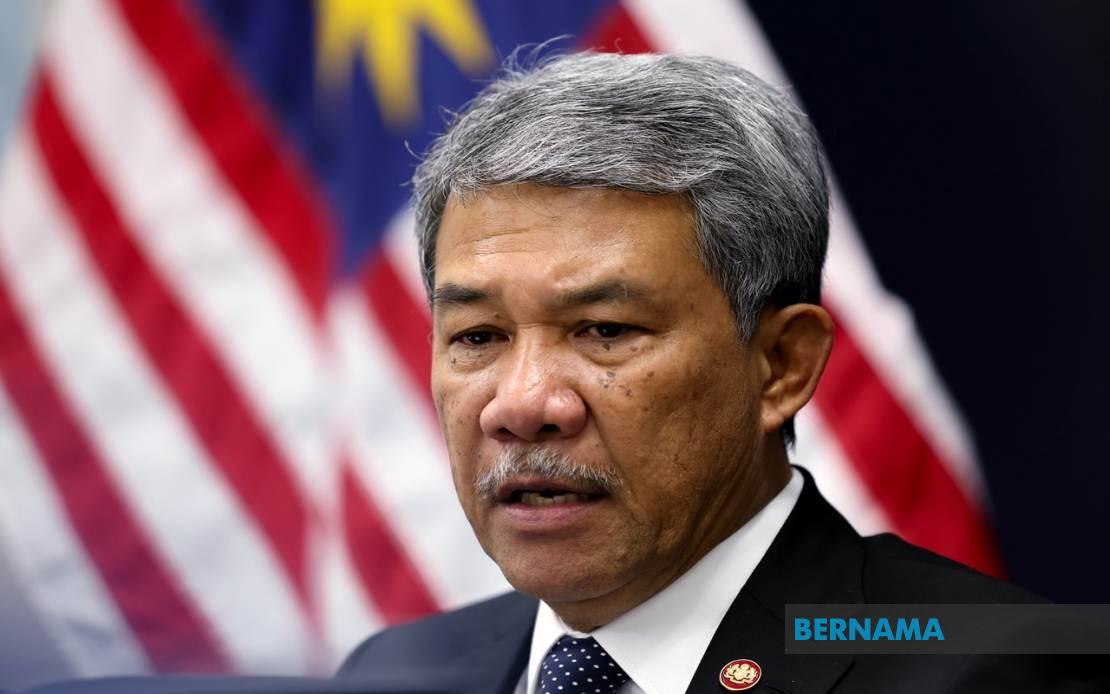
Malaysia's Foreign Minister Datuk Seri Mohamad Hasan touched down in Manila on Sunday to chair the Malaysian delegation at the 59th ASEAN Foreign Ministers' Meeting, a significant gathering that will shape regional diplomatic priorities through Thursday. The minister arrived at Ninoy Aquino International Airport in the afternoon, where he received a formal welcome from the Philippines Department of Foreign Affairs and the Malaysian Embassy, signalling the importance both nations attach to the proceedings.
The Manila summit is being held under the Philippines' ASEAN Chairmanship for 2026, with delegates working under the overarching theme of "Navigating Our Future, Together"—a framing that reflects the bloc's determination to chart a steady course through an increasingly turbulent geopolitical landscape. For Malaysia, this multilateral platform offers a crucial opportunity to advocate for regional stability at a moment when extraregional powers are intensifying their presence and influence across Southeast Asia.
The agenda reveals the breadth and complexity of challenges confronting ASEAN diplomacy. The ongoing crisis in West Asia has become impossible to ignore for Southeast Asian foreign ministers, as developments there reverberate through global energy markets, shipping lanes, and regional security calculations. Malaysia, with its strategic position in one of the world's most vital maritime passages, has particular stakes in ensuring that escalating Middle East tensions do not destabilise trade flows or draw the region into wider conflicts.
Myanmar's deteriorating humanitarian situation will demand sustained attention from Mohamad and his counterparts. The extended informal consultation on implementing the Five-Point Consensus represents another chapter in ASEAN's extended struggle to influence events in a neighbour state fractured by internal conflict. Malaysia has maintained a delicate diplomatic position on Myanmar, balancing calls for stronger intervention against respect for the ASEAN principle of non-interference. The Five-Point Consensus, agreed in 2021, has proven difficult to operationalise, and the review of progress offers a moment for frank assessment of whether current approaches are achieving tangible results on the ground.
Mohamad's participation in the ASEAN-AICHR interface meeting reflects growing attention to human rights concerns across the region, though this remains a sensitive topic for member states with varying commitments to accountability mechanisms. The Southeast Asia Nuclear Weapon-Free Zone meeting, meanwhile, connects to longstanding regional security architecture designed to keep the region free from nuclear weapons—a matter of particular relevance given great power competition in Asia and nuclear proliferation risks in nearby regions.
The bilateral dimension of the Manila talks offers Malaysia opportunities to advance its particular interests through quiet diplomacy. As the country coordinator for ASEAN-China Dialogue Relations through 2027, Malaysia carries additional responsibility for managing one of the bloc's most consequential partnerships. The joint co-chairmanship of the ASEAN Post Ministerial Conference with Chinese Foreign Minister Wang Yi on Wednesday underscores this coordinating role and offers Mohamad a platform to shape conversations about the future of ASEAN-China relations at a moment when concerns about Beijing's assertiveness in the South China Sea remain acute.
The multilayered meeting structure—encompassing the ASEAN Plus Three forum with Japan, South Korea, and China, as well as the ASEAN Regional Forum and East Asia Summit—reflects the interconnected nature of modern Southeast Asian diplomacy. Malaysia must navigate relationships with established powers including India, Australia, Japan, and the United States alongside engagement with Russia and the European Union. Each bilateral encounter on the margins offers chances to advance specific interests, whether related to economic partnership, security cooperation, or support for particular policy positions.
The Conference on Cooperation among East Asian Countries for Palestinian Development signals ASEAN's effort to contribute to Middle East peace and development. Though Malaysia and some other ASEAN members have historical ties to Palestinian causes, this conference also reflects the reality that Southeast Asian nations increasingly see themselves as responsible actors on global issues, not merely regional players. The inclusion of this agenda item suggests that, despite the diversity of views within ASEAN on Middle East questions, the bloc wants to be constructive in addressing humanitarian needs.
For Malaysia specifically, this meeting occurs at a moment when the country is seeking to deepen its profile in regional multilateralism and strengthen its standing as a responsible middle power. The diplomatic intensity of the Manila gathering—with Mohamad juggling bilateral meetings, multilateral forums, and working group consultations—demands considerable coordination and strategic clarity about Malaysian priorities. The challenge lies in advancing specific national interests while maintaining Malaysia's reputation as a bridge-builder committed to ASEAN unity and consensus-based decision-making.
The broader significance of the 59th AMM extends beyond its formal agenda. Regional diplomacy at this level allows foreign ministers to take the measure of one another, to build personal relationships that can facilitate crisis communication, and to establish tacit understandings about acceptable behaviour. In a region where tensions simmer beneath surface-level calm—whether over maritime disputes, trade competition, or geopolitical alignment—these meetings provide essential mechanisms for keeping lines of dialogue open and preventing misunderstandings from escalating into confrontation.
Malaysia's engagement in Manila also reflects the country's continuing commitment to ASEAN centrality in regional affairs. Despite external pressures and internal constraints, ASEAN member states continue to invest diplomatic resources in multilateral forums precisely because these platforms offer ways to manage great power competition without being overwhelmed by it. For Malaysia, maintaining and strengthening ASEAN mechanisms remains central to the country's strategic approach to navigating an era of intensifying superpower rivalry and shifting global alignments.

