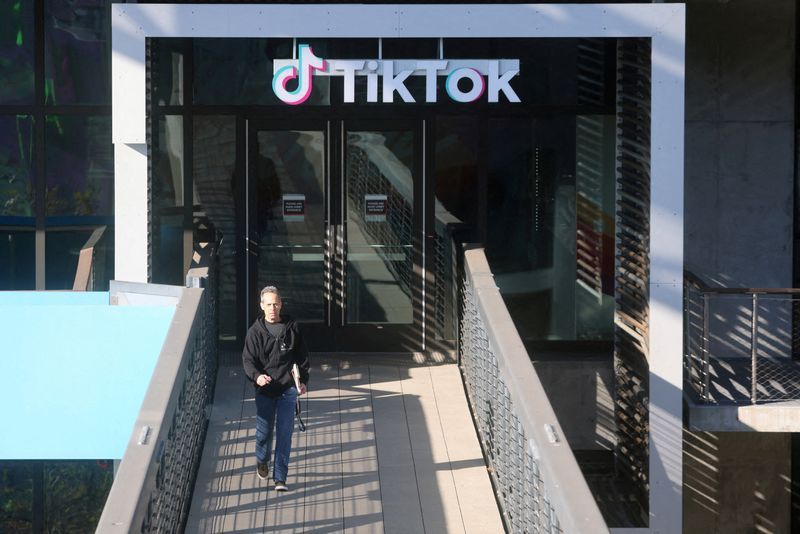
Florida's attorney general James Uthmeier filed suit against TikTok in St. Lucie County state court on Monday, accusing the ByteDance-owned platform of breaching legislation designed to protect minors. The complaint centres on TikTok's alleged failure to prevent underage users from accessing its service and its misrepresentation of harmful content exposure for young users.
Uthmeier, a Republican, stated the company "knowingly deceives parents" by exposing children to inappropriate material in violation of Florida law. "We have zero tolerance for companies that prioritize profit over children's safety," he said. The legal action asks the court to mandate platform changes ensuring legal compliance, alongside seeking monetary damages against the technology company.
TikTok's representatives responded by noting they have been communicating with state authorities and are suspending accounts belonging to users under 14 in Florida. The platform maintains it continues updating its systems to align with state requirements. "We are evaluating the state's complaint and are prepared to defend our strong record on minor safety," a company spokesperson stated.
This enforcement action follows H.B. 3, legislation that became effective in January 2025 requiring social media platforms to prevent users below 14 years old from creating accounts, while mandating parental permission for those under 16. Florida previously pursued similar action against Snap in 2025, claiming the Snapchat operator was deliberately incorporating addictive features and creating accounts for children aged 13 and below.
Nationwide, TikTok faces legal challenges from over 25 state attorneys general alleging the service deliberately fosters addiction in young users, precipitating a youth mental health crisis. Beyond state enforcement, thousands of individual and institutional lawsuits challenge social media companies' practices. In one recent case, a Los Angeles jury determined Meta and Alphabet's Google acted negligently; TikTok settled before trial. The platform also resolved a case brought by a Kentucky school district, paying USD 8 million in settlement.
A federal judge previously blocked enforcement of H.B. 3, deeming it unconstitutional, though this ruling is temporarily suspended, permitting Florida to implement the legislation while pursuing an appeal. Snap contended the law violated First Amendment protections for minors.