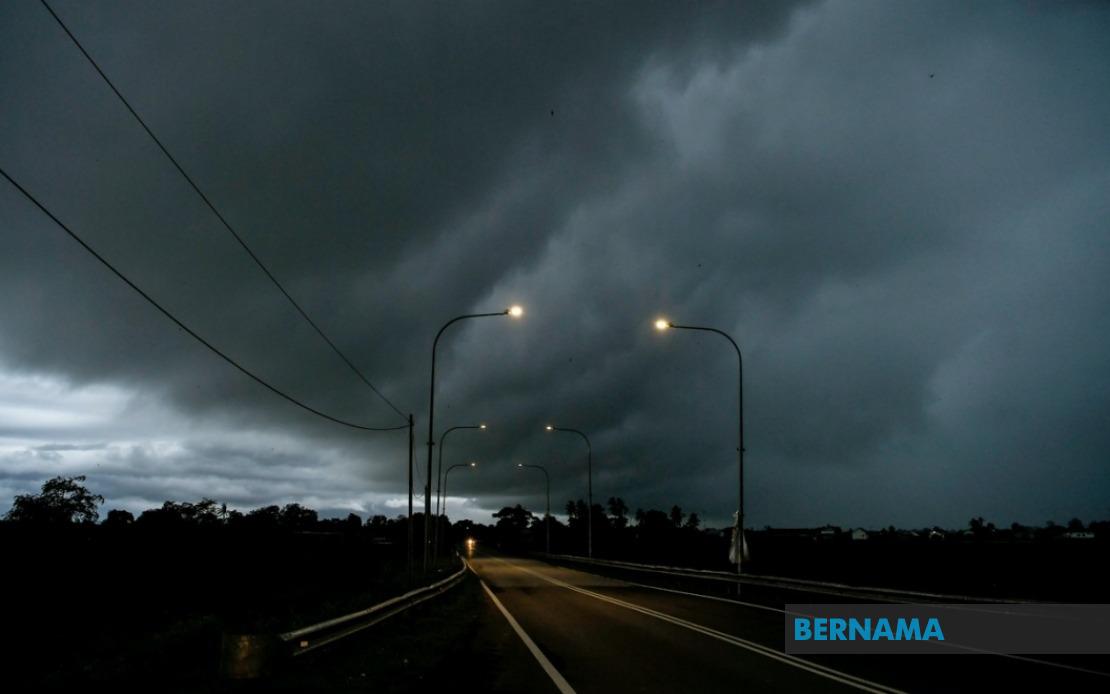
The Malaysian Meteorological Department has activated weather alerts for five states across the peninsula, cautioning residents of potentially hazardous atmospheric conditions expected to persist until midday. The warning encompasses a broad geographic sweep from the northern regions down through the central and southern portions of Peninsular Malaysia, reflecting the dynamic and unpredictable nature of monsoon-influenced weather patterns that characterise Malaysia's tropical climate during certain periods of the year.
In the northern state of Kedah, MetMalaysia identified four particularly vulnerable districts where residents should exercise heightened caution. The areas of Kota Setar, Pokok Sena, Yan and Pendang are all positioned to experience the brunt of incoming thunderstorms accompanied by intensified rainfall and gusty wind conditions. Kota Setar, as the state capital, represents a significant urban centre where such weather disruptions can have cascading effects on traffic, commerce, and daily operations for hundreds of thousands of residents and commuters.
The neighbouring state of Perak faces similar meteorological challenges, with three maritime and low-lying districts flagged in the alert. Manjung, known for its coastal and industrial operations, along with Bagan Datuk and Hilir Perak, all situated along the Perak River valley regions, are expected to receive concentrated periods of heavy precipitation. These areas, characterised by proximity to water bodies and generally lower elevations, are inherently more susceptible to flash flooding and water accumulation during intense rainfall events, necessitating particular vigilance from residents and local authorities.
Centrally located Negeri Sembilan, often overlooked in weather discussions due to its smaller geographic footprint, has also attracted MetMalaysia's attention. The districts of Rembau and Tampin, both positioned in the state's heartland, are forecast to experience the adverse conditions outlined in the broader warning. The topography and drainage patterns of these regions mean that sudden downpours can create challenging conditions relatively swiftly, potentially affecting transportation routes and community activities.
To the south, Melaka in its entirety has been placed under the weather warning, suggesting that the meteorological threat encompasses the entire state rather than being confined to specific districts. As one of Malaysia's smallest states by area, Melaka's comprehensive inclusion in the alert indicates the severity and geographic extent of the anticipated weather system affecting the region.
Johor, Malaysia's largest state by area, has six districts specifically identified as requiring heightened awareness: Tangkak, Muar, Batu Pahat, Pontian, Kulai, and Johor Bahru. This wide distribution across the state—spanning from inland agricultural areas to coastal and urban zones—demonstrates how the weather system is expected to affect diverse terrain and population centres. Johor Bahru, the state capital and a major economic hub, warrants particular attention given the density of commercial activity and vehicular traffic that characterises the city.
The confluence of thunderstorms, heavy rain, and strong winds creates a tripartite hazard scenario that extends beyond simple inconvenience. Thunderstorms pose risks of lightning strikes for those caught outdoors, while heavy rainfall can rapidly overwhelm drainage infrastructure in urban areas and trigger landslides in hilly terrain. Strong winds compound these dangers by potentially bringing down vegetation and unsecured structures, creating secondary hazards for property and personal safety. The temporal constraint—these conditions are expected to persist only until noon—suggests the weather system is relatively discrete and should move through the affected regions within a defined window.
MetMalaysia's advisory underscores the importance of real-time weather monitoring and public awareness mechanisms. The department has explicitly encouraged residents in affected areas to maintain vigilance and to actively seek the latest meteorological updates through official departmental channels. This guidance reflects an understanding that weather threats evolve and that early, accurate information is crucial for informed decision-making by both individuals and emergency response authorities.
For Malaysian residents, particularly those in the affected states, the practical implications of this warning are significant. Commuters may face delayed travel on affected routes; outdoor activities should be rescheduled or relocated to sheltered venues; and those in flood-prone areas or under weak structures should consider precautionary measures. Business operations, especially in retail, logistics, and service sectors dependent on customer foot traffic, may experience disruption. Schools and educational institutions in the affected zones may need to implement contingency protocols to ensure student safety.
The geographic spread of this weather alert—covering five states with multiple districts each—reflects the complex meteorological dynamics of Peninsular Malaysia during certain seasonal periods. Such widespread warnings, even if limited in duration, serve as reminders of the region's vulnerability to extreme weather events and the critical importance of maintaining robust early warning systems and public communication infrastructure.
Residents are strongly advised to avoid unnecessary travel through affected areas during the warning period and to secure any loose outdoor items that might be subject to strong winds. Those in low-lying or flood-prone neighbourhoods should ensure drainage routes are clear and monitor local water levels. By taking these preventative steps and staying informed through MetMalaysia's official communications, communities can significantly mitigate potential adverse impacts from the anticipated severe weather.

