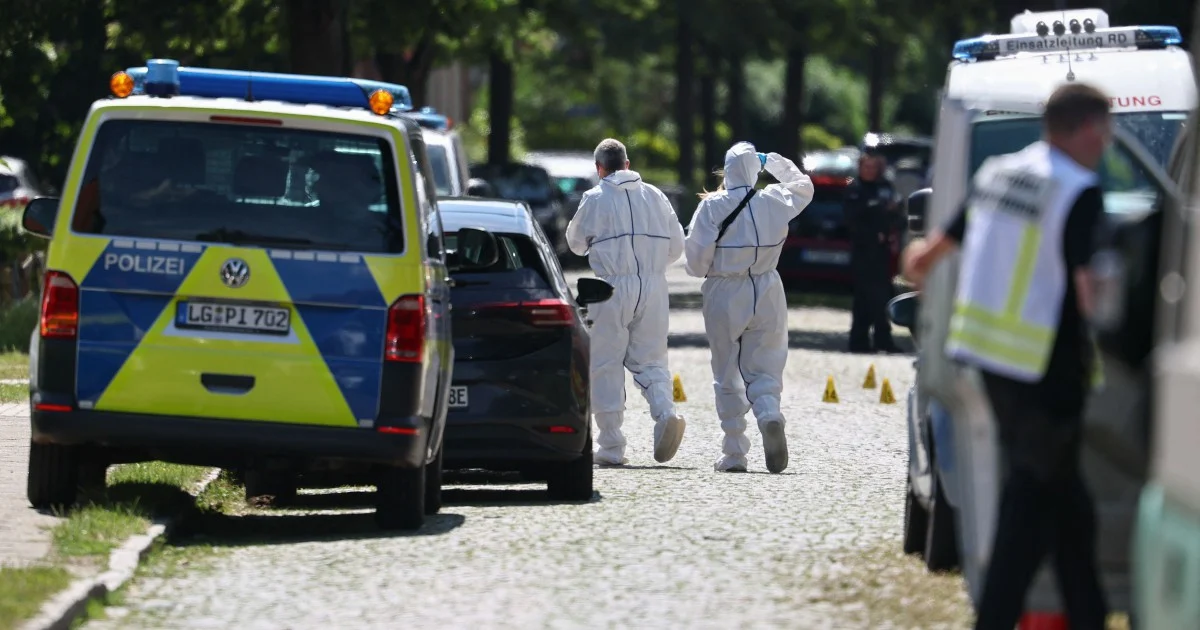
Five people have been killed in a shooting incident at a youth welfare facility in Stade, Germany, representing one of the most severe mass shootings the country has experienced in recent years. Law enforcement officials confirmed the fatalities on Monday and announced that they have arrested the suspected gunman responsible for the attack.
The incident occurred at a youth welfare centre, an institution that typically provides support services, counselling, and care programmes for young people. Such facilities serve critical social functions within their communities, making this attack particularly shocking to residents across the region and the broader German public. The specific nature of the attack—targeting a vulnerable population in a place designated for their protection and welfare—has intensified public concern and prompted discussions about security measures at social institutions.
Detailed information about the circumstances surrounding the shooting remains limited at this stage of the investigation. Police have not yet released comprehensive details regarding the timeline of events, the relationship between the suspect and victims, or the potential motivations behind the attack. Authorities typically conduct extensive preliminary investigations before providing fuller accounts to the media and public, particularly in high-profile cases of this magnitude.
Germany has relatively stringent gun control laws compared to many other developed nations, making mass shootings considerably less frequent than in some countries. However, the nation has experienced several serious incidents in recent decades, and each occurrence typically triggers national soul-searching about security vulnerabilities and warning signs that may have been missed. This particular incident will likely prompt similar reassessments of facility security and threat assessment protocols.
The arrest of the suspected gunman means that German authorities can now proceed with interrogation and gathering of evidence relevant to understanding the perpetrator's background, grievances, and actions. Investigators will examine factors such as prior criminal history, mental health records, and any documented threats or concerning behaviour that preceded the attack. These details become crucial in determining whether the incident might have been preventable through existing protocols or whether systemic gaps require addressing.
For Malaysian and Southeast Asian observers, such incidents in developed countries highlight that mass violence transcends geographic and economic boundaries. While Asian nations have their own distinct security challenges and cultural contexts, understanding how European countries respond to mass casualty events provides valuable comparative perspectives. The psychological impact on communities and institutions following such attacks, and the subsequent policy discussions that emerge, offer lessons applicable across regions.
The youth welfare sector across Europe and Asia serves populations already facing challenges related to poverty, family breakdown, or social marginalisation. An attack on such a facility carries symbolic weight beyond the immediate loss of life—it strikes at institutions designed to offer hope and support to vulnerable young people. Staff members at these centres often work with limited resources and minimal security arrangements, assuming their work environment represents a place of safety rather than potential danger.
German authorities will face pressure to provide transparency about the investigation while also protecting the integrity of ongoing legal proceedings. Families of victims and the broader community will seek answers about how such a tragedy could occur and what safeguards might prevent similar incidents. The media attention will inevitably extend internationally, particularly across Europe, where such incidents carry heightened significance given their relative rarity compared to other regions.
The psychological and social impact of this shooting will extend far beyond the immediate casualty figures. Colleagues of the deceased will experience trauma and grief, while other youth welfare centre employees across Germany may now question their own safety at work. Young people who utilise these facilities might experience anxiety about accessing services they depend upon, potentially undermining the protective purposes these institutions are designed to serve.
As investigations develop, German law enforcement and civil authorities will face decisions regarding whether additional security measures should be implemented at similar facilities nationwide. This raises complex questions about balancing the need for protecting vulnerable populations against creating institutional environments that feel overly militarised or unwelcoming to the young people they serve. Policymakers will need to consider whether targeted interventions could have identified warning signs in the suspect's behaviour before the attack occurred.
The incident underscores how mass violence remains an enduring challenge even in countries with comprehensive social safety nets and relatively effective law enforcement. It raises broader questions about identifying and intervening with individuals exhibiting signs of severe distress or violent ideation, and how communities can better address underlying causes of such extreme actions. These conversations will likely occupy German political and social discourse in the coming weeks as investigations continue and a fuller picture of events emerges.

