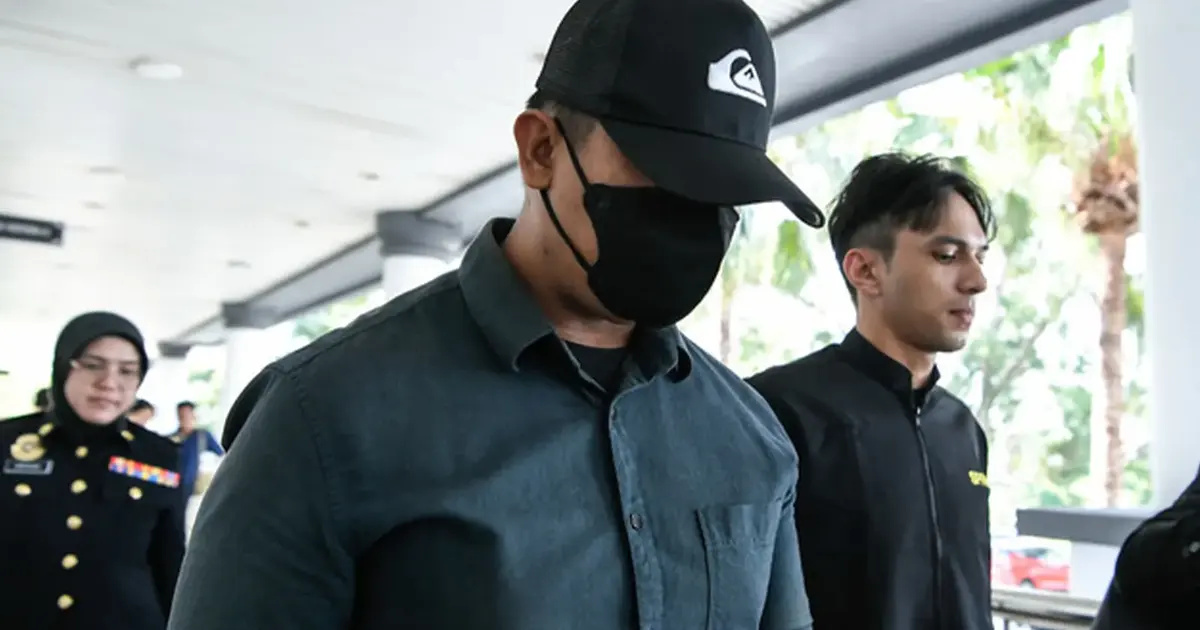
The Malaysian fire and rescue department faces another integrity test as Johari Bar Azwar, a superintendent within the service, has been charged with accepting bribes totalling RM11,500 from business owners seeking official support documentation. The allegation encompasses two separate transactions spanning recent years, highlighting potential vulnerability in regulatory approval processes that affect commercial operations nationwide.
According to the allegations, Johari Bar Azwar received RM1,500 during 2024 and an additional RM10,000 in the previous year. Both payments were purportedly made as inducement to facilitate the issuance of fire and rescue department licensing support letters—official documents critical for businesses applying for permits or renewing operational authorizations. The distinction between the two payments suggests a pattern of solicitation rather than an isolated incident, raising questions about how extensively such practices may have infiltrated the approval system.
Fire and rescue department support letters serve as essential verification documents in Malaysia's regulatory framework. When business owners apply for operating licenses, conduct safety inspections, or seek compliance certification, these letters demonstrate that their facilities meet fire safety standards. The significance of such documentation means that businesses operating without proper authorization face operational disruption and legal penalties. Consequently, the allegation that an official would leverage this gatekeeping position for personal financial gain strikes at the credibility of the entire fire safety certification process.
The timing of these alleged offences is particularly noteworthy for Malaysian governance observers. Public sector integrity has remained a focal point for anticorruption agencies and civil society organizations, especially given the country's ongoing efforts to enhance transparency across government departments. Cases involving mid-ranking officials like superintendents often escape headline attention compared to high-level corruption scandals, yet they represent systemic risks that undermine public trust in routine bureaucratic processes.
Businesses across Malaysia depend on various government agencies to verify compliance and issue necessary documentation for lawful operation. When officials compromise their duties through corrupt practices, the entire supply chain of regulatory approval becomes tainted. Small and medium enterprises, which may lack resources to challenge such demands, face particular vulnerability. They may either pay bribes to expedite processes that should be their right, or face unexplained delays and rejections that damage their commercial interests.
The fire and rescue department's specific institutional context matters significantly here. Unlike enforcement agencies primarily focused on prosecution, the fire service emphasizes prevention and public safety. Officials within the service are trusted to assess building standards and safety protocols objectively. When this trust is breached through bribery, the public safety mission itself becomes compromised—facilities with inadequate fire safety measures might receive clearance, while compliant premises could face unjustified obstacles.
For the business community across Southeast Asia, particularly in Malaysia, this case underscores recurring challenges in navigating regulatory environments. Entrepreneurs and company managers must balance genuine compliance efforts with the reality that some officials may exploit their positions. The existence of such allegations reinforces the case for stronger internal controls, surprise audits, and whistleblower protection mechanisms within government departments.
The investigation and subsequent charging decision reflect ongoing anticorruption efforts by relevant authorities in Malaysia. Various agencies including the Malaysian Anti-Corruption Commission have intensified scrutiny of transactional corruption involving public officials. Yet the fact that such cases continue to emerge suggests that systemic vulnerabilities remain despite established investigative frameworks and legal consequences.
From a regulatory perspective, the allegations highlight the need for modernizing approval processes. Digital systems that minimize direct official-to-applicant interaction, automated document issuance where possible, and transparent criteria for approval or rejection could reduce opportunities for corrupt solicitation. Several Malaysian government agencies have begun moving toward such digital transformation, though comprehensive implementation remains ongoing.
The implications for departmental credibility are substantial. The fire and rescue service must now address questions about whether institutional culture, supervision, or recruitment practices created conditions enabling such conduct. Public agency leaders nationwide will be watching how the department responds—whether it demonstrates commitment to internal accountability or appears defensive about the allegations.
Business owners who may have paid such bribes face difficult considerations. While they could potentially report their experiences to authorities, fear of retaliation or further complications with approvals often silences victims. This dynamic enables corruption to persist unchecked. Establishing confidential reporting channels and protection for complainants represents a practical step toward breaking such cycles.
As Malaysia continues its governance reform agenda, cases like this serve dual purposes: they expose real vulnerabilities while creating opportunities for systemic improvement. The outcome of this particular case will signal whether accountability mechanisms function effectively and whether the business community can expect more impartial government service moving forward.

