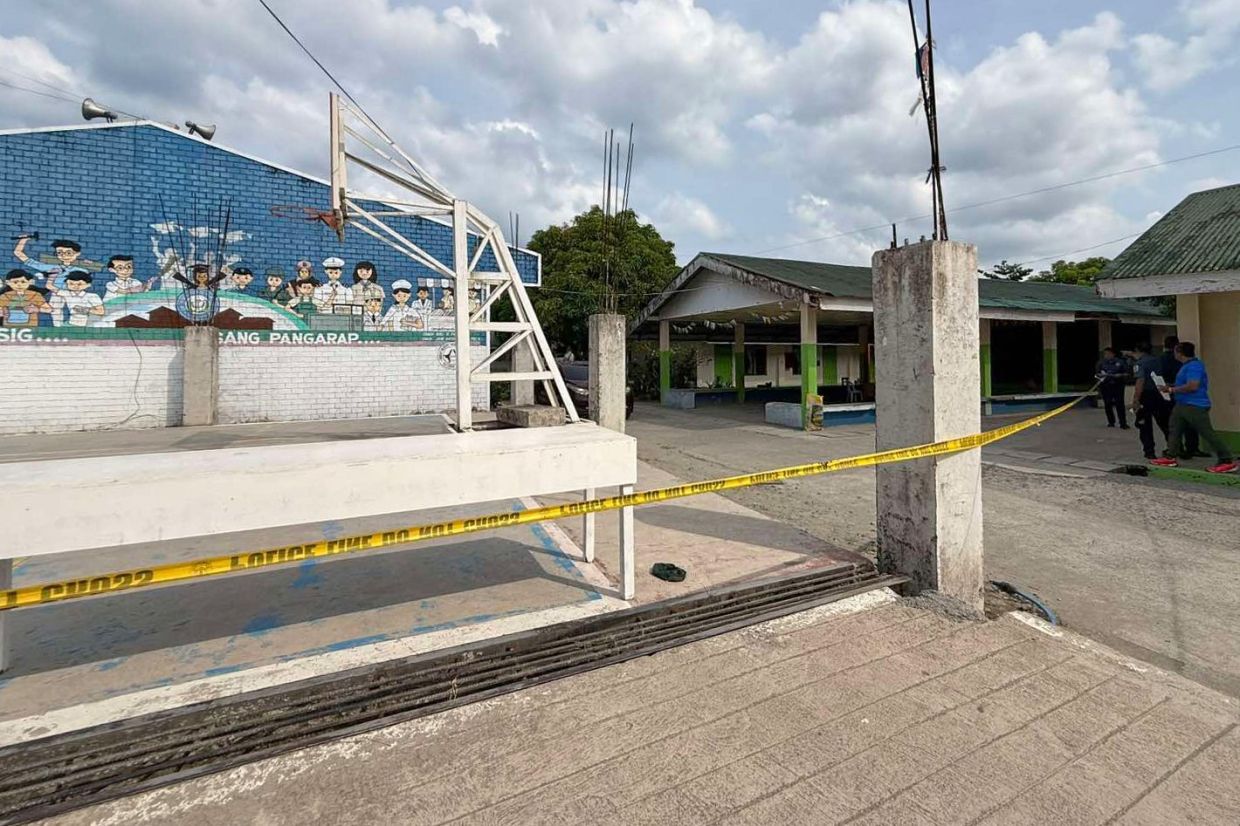
A 14-year-old female student from Tolosa National High School in the Philippines has been taken into custody by police after posting threatening messages on social media targeting her institution, Interior Secretary Jonvic Remulla disclosed during a briefing at Camp Crame on June 25. The detention came following a tip provided by Senator Bam Aquino concerning the minor's inflammatory social media activity posted the previous evening. The incident marks the second concerning case in as many days involving young people allegedly inspired by recent school violence in the eastern region.
The threatening messages posted across multiple Facebook accounts created by the Grade 10 student included stark warnings to her classmates about imminent violence. In one post, she wrote: "Hello. Send this to your friends. Yo, from Tolosa, prepare yourselves, especially to you, as you owe me. Get ready. I will disrupt the school." The messages escalated further with statements such as: "You won't know me, but you will recognise me. There is no time nor day. Be prepared for whoever gets shot or stabbed. We don't care. Good luck to you at Tolosa National High School." Such explicit language immediately triggered alarm among school communities already on edge following recent tragic incidents.
The Philippine National Police Criminal Investigation and Detection Group moved swiftly to identify and apprehend the suspect through digital forensics and social media analysis. Investigators confirmed her identity using information gathered from concerned individuals who reported the threatening posts. The authorities eventually traced the various Facebook accounts back to the single perpetrator, demonstrating the sophistication of her attempt to spread intimidating messages across multiple platforms. However, once authorities managed to make contact with the minor, many of her accounts and posts had already been deleted from the platform.
During questioning, the teenager proved difficult to interview, displaying reluctance and an unwillingness to cooperate with investigators. Authorities attributed her uncooperative behaviour to fear of potential consequences. When police stationed at the Tolosa Municipal Police Station approached her parents seeking additional information about the incident, the family refused to provide any substantive details that might assist the investigation. This lack of parental cooperation complicated the authorities' ability to fully understand the circumstances that motivated the threatening posts.
The minor could not be formally charged under the country's juvenile justice framework. Republic Act No. 9344, the Juvenile Justice and Welfare Act, provides legal protections for minors that prevented traditional prosecution. Consequently, the Department of Social Welfare and Development took custody of the teenager, and she was subsequently released pending further assessment. This legal limitation underscores the challenges Philippine authorities face when addressing threats emanating from young people, as the juvenile system prioritises rehabilitation over punitive measures.
Investigators determined that underlying personal and family difficulties likely motivated the threatening social media activity. After police engaged directly with the student's family, authorities concluded that the immediate threat had been neutralised and the situation rendered inactive. Crucially, no evidence emerged of any organised plot to carry out actual violence, nor was there any indication that other individuals were involved in planning or coordinating with the suspect. Furthermore, investigators confirmed that neither the minor nor any family members possessed access to firearms or weapons that could facilitate actual harm.
Remulla suggested that the teenager may have been influenced by the San Jose National High School shooting that occurred the previous Monday in Tacloban City. That incident, which shocked the nation and sparked widespread debate about school safety and youth violence, involved two student shooters aged 14 and 15. The attack resulted in three student deaths and left at least twenty others wounded, traumatising the entire region. The timing and nature of the Tolosa threat, emerging just days after this horrific incident, pointed to possible copycat inspiration rather than an independently conceived plan.
A particularly troubling pattern has emerged linking both the Tacloban shooting suspects and this Tolosa student: all three adolescents are reportedly avid fans of GoreBox, a violent video game featuring graphic content. The connection prompted the Philippine Cybercrime Investigation and Coordinating Centre to temporarily ban the game following the Monday school shooting. Gaming experts and child psychologists have long debated whether violent video games contribute to real-world aggression, particularly among developing minds lacking mature coping mechanisms. This case has reignited that contentious discussion in the Philippines, though authorities have not definitively established whether the game was a causal factor or merely coincidental.
The incidents have exposed the vulnerability of the Philippines' education system to threats perpetrated through social media by students themselves. Tacloban City and the surrounding Leyte province have become focal points for troubling youth violence, raising questions about mental health support systems, school safety protocols, and the role of digital platforms in enabling threats. Schools across the region have heightened security measures and implemented emergency response procedures, reflecting the genuine anxiety now gripping educational institutions and families.
The case also illustrates the complex intersection of juvenile justice, digital crime, and youth mental health in the Philippines. While the teenager's release without formal charges follows legal protocol, it highlights the need for comprehensive intervention programmes that address the underlying psychological and social factors driving such dangerous behaviour among adolescents. Family counselling, school-based mental health services, and digital literacy education may prove essential in preventing similar incidents.
Philippine authorities continue investigating the broader context of youth violence in the region. The rapid succession of incidents involving young perpetrators has prompted calls from education officials and civil society groups for urgent government action. Policymakers are now considering comprehensive strategies addressing youth alienation, access to violent content, and the adequacy of mental health resources available to adolescents in distress. The cases underscore how social media platforms can amplify threats originating from troubled youth, requiring coordinated responses between law enforcement, schools, and technology companies.

