The repatriation of 15 Indian nationals who died in a tragic maritime accident off southern Vietnam marks a somber conclusion to what was meant to be a celebratory corporate outing. A charter flight departed Ho Chi Minh City on Monday carrying the remains of the victims, with relatives and officials awaiting their arrival in Mumbai that evening. The loss represents one of the deadliest maritime incidents involving Indian tourists in Vietnam in recent years, underscoring persistent safety concerns surrounding recreational water activities in the region.
The incident unfolded Saturday afternoon when a speedboat carrying 32 Indian passengers and four Vietnamese crew members capsized near Hon May Rut Ngoai island, located in close proximity to Phu Quoc, Vietnam's largest island. The vessel was operating under the auspices of Lava International, a Uttar Pradesh-based smartphone and consumer electronics manufacturer, which had organized the excursion as a reward programme for its employees, business associates and retail partners. The sudden nature of the calamity—occurring mere minutes after departure from the island—caught passengers unprepared for the rapidly deteriorating maritime conditions.
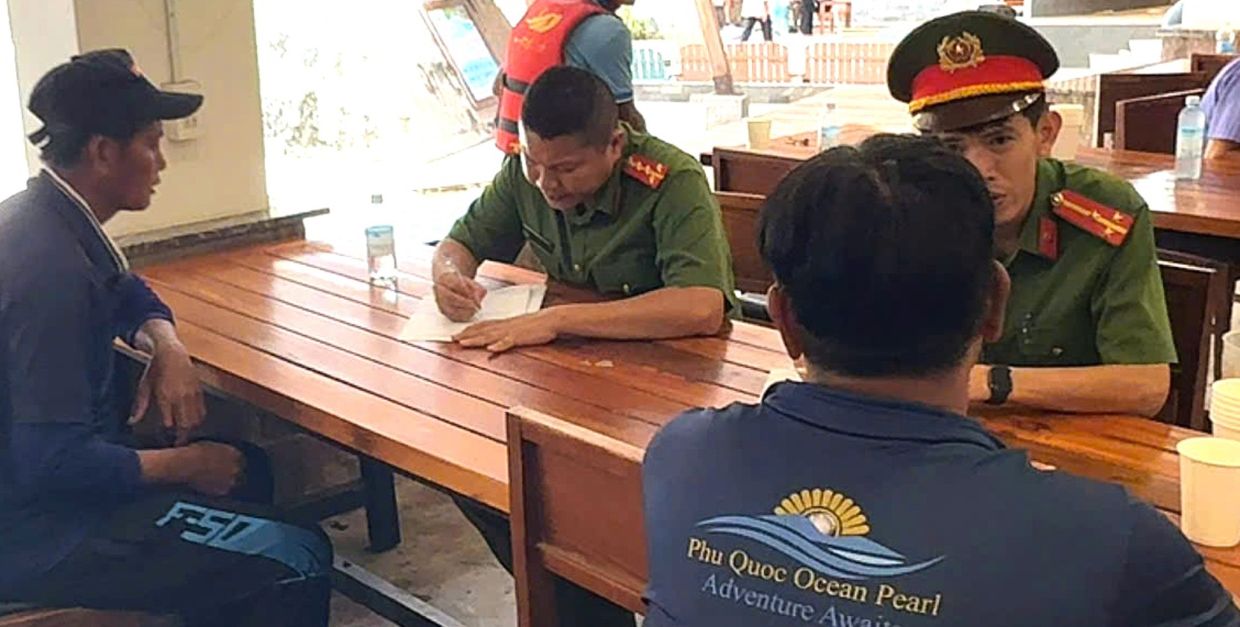
Authorities have launched an investigation into the circumstances surrounding the capsizing, with particular scrutiny directed toward the vessel's captain, Nguyen Hong Hai, 57, who is suspected of breaching waterway transport safety protocols. Early indications suggest that the skipper may have misjudged weather conditions or failed to implement adequate safety measures before setting out. Such investigations typically examine factors including vessel maintenance standards, crew certification, passenger safety briefings and adherence to established maritime regulations—all critical safeguards designed to prevent such tragedies.
The composition of the deceased reflects the geographic spread of Lava International's operations and workforce. Ten victims hailed from Tamil Nadu, three from Andhra Pradesh and two from Kerala, suggesting the company had assembled participants from multiple South Indian states for this team-building initiative. The diversity of the group underscores how this singular incident has rippled across numerous families and communities throughout India, each confronting the sudden loss of loved ones who had departed expecting an enjoyable holiday.
A harrowing first-hand account emerged from survivor Nirmal Kumar, 44, a businessman who witnessed the catastrophic chain of events unfold. According to Kumar's testimony, conditions deteriorated with alarming speed as stormy weather engulfed the vessel. A powerful wave struck the boat's hull with tremendous force, instantly transforming the excursion from a leisurely cruise into a desperate struggle for survival. Passengers responded with panic, crowding toward different sides of the boat as it pitched violently in the increasingly rough seas, with many ultimately compelled to jump into the water as the craft capsized.
Kumar's account highlights how rapidly marine disasters can escalate, transforming a calm afternoon into chaos within minutes. He described the vessel becoming progressively difficult to maneuver, with the captain apparently losing control as waves intensified. The sudden shift from relaxation to emergency mirrored the experience of countless maritime accident survivors—those few seconds of realization that danger has become reality, followed by instinctive actions taken under extreme duress. His survival came at profound personal cost: among those lost was a childhood companion who had joined the outing anticipating memorable experiences.
Rescue operations proved notably efficient, with recovery teams arriving within five minutes of the incident. Their swift response undoubtedly saved multiple lives, extracting survivors from the water before exhaustion and hypothermia claimed additional victims. Sixteen survivors received hospital treatment and have since been discharged, able to return to India to begin processing the trauma and grief. Their accounts of the disaster, combined with physical evidence and vessel inspection data, will form the foundation of official investigations into how such a well-established tourism operator allowed conditions to deteriorate to this extent.
One survivor, however, remains hospitalized in critical condition at Ho Chi Minh City's Cho Ray Hospital, one of Vietnam's premier medical institutions. The 49-year-old patient sustained severe pulmonary damage following near-drowning, compounded by shock, multiple traumatic injuries and intracranial bleeding. Medical teams report gradual improvement in vital metrics including blood pressure and oxygen saturation, offering cautious hope for recovery. The extended nature of his hospitalization reflects the serious physiological trauma inflicted by prolonged submersion and the complications arising from water inhalation.
The accident site's proximity to shore—approximately 10 kilometers south of Phu Quoc—raises questions about why rescue response, though rapid, could not prevent such catastrophic loss of life. Phu Quoc and surrounding waters constitute one of Vietnam's premier tourist destinations, renowned for crystalline waters and pristine beaches that attract millions of domestic and international visitors annually. The incident's occurrence in such a well-established tourism zone suggests that even popular, heavily-trafficked destinations can witness tragedies when safety protocols are inadequately followed or environmental conditions are misjudged.
For India, this disaster arrives at a moment when Vietnam's tourism sector has become increasingly central to bilateral engagement. India ranks among Vietnam's fastest-growing tourism markets, with Indian nationals traveling in record numbers to explore Southeast Asia's beaches, historical sites and cultural attractions. The tragedy may prompt both nations to reassess safety standards governing maritime activities and tourist operations, particularly regarding vessel maintenance, crew training requirements and weather assessment procedures. Such dialogue could yield improved safeguards benefiting not only Indian travelers but all international visitors venturing into Vietnamese waters.
The emotional toll extends far beyond statistics and procedural reviews. Families across Tamil Nadu, Andhra Pradesh and Kerala now confront inexplicable loss, while colleagues at Lava International must grapple with the tragic consequences of a corporate initiative intended to build morale and strengthen workplace relationships. Survivor Kumar's wrestling with grief—struggling to accept the death of his childhood friend—encapsulates the human dimension of this maritime disaster. As investigations proceed and regulatory frameworks are scrutinized, the fundamental question remains: how can such catastrophic loss be prevented when predictable maritime hazards intersect with insufficient safety precautions.

