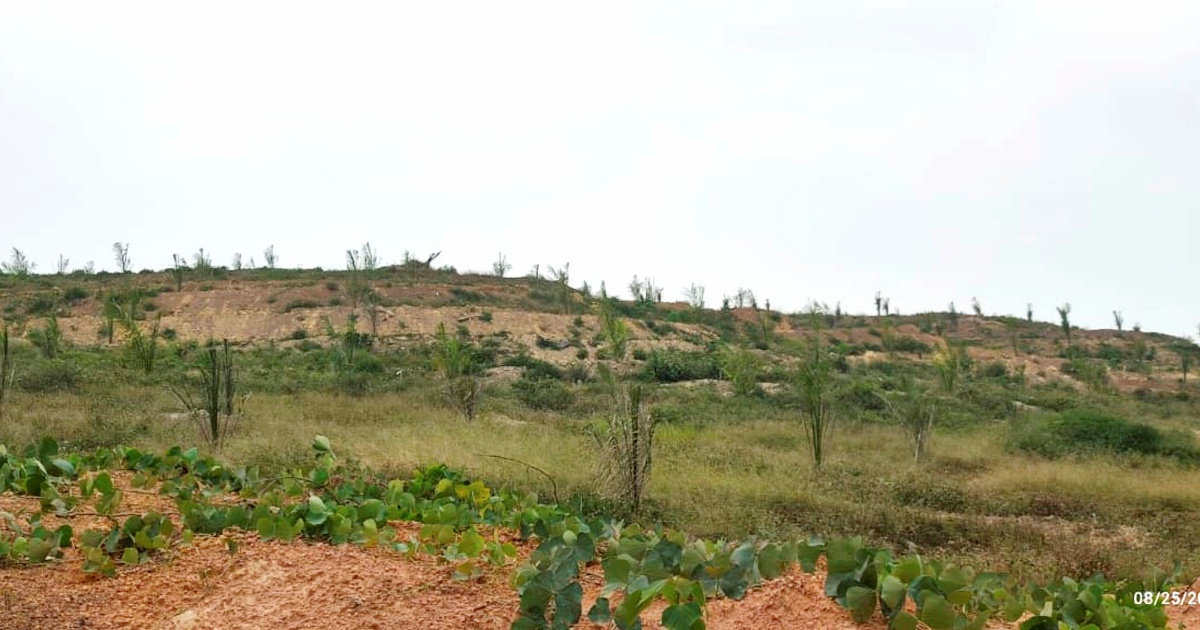
Residents of Felda Palong 7 in Jempol have escalated their grievances to the Malaysian Anti-Corruption Commission, filing a report that highlights systemic problems with the supply of oil palm seedlings destined for their plantation holdings. The complaint centers on the delivery of substandard and non-uniform seedlings, raising serious questions about quality control mechanisms and the fulfilment of contractual obligations in the Federal Land Development Authority scheme.
The decision to involve the MACC signals that settlers believe procurement irregularities may be at play in the sourcing and distribution of agricultural inputs. Quality assurance in seedling supply is fundamental to plantation productivity, as variations in seedling vigour, disease resistance, and genetic consistency directly translate into yield disparities and long-term profitability. Non-uniform seedlings can lead to uneven crop maturation, complicating harvesting operations and reducing the commercial viability of plantation blocks, a concern that resonates acutely in Malaysia's competitive palm oil industry.
Felda schemes, which provide smallholder farmers with structured agricultural development and support systems, depend on reliable supply chains for critical inputs. When seedlings arrive in poor condition or exhibit significant variation in quality, the burden falls disproportionately on individual settlers who lack the resources to remediate agronomic problems independently. This undermines the foundational premise of Felda schemes as instruments of rural development and equitable land access.
The filing with the MACC implies that settlers suspect more than mere commercial negligence. Their recourse to an anti-corruption body suggests concerns about possible graft, inflated pricing, bypassed quality standards, or the misallocation of resources intended for scheme beneficiaries. Investigations by the MACC could determine whether procurement processes were compromised, whether inspections were circumvented, or whether suppliers failed to meet stipulated agronomic specifications while still receiving payment.
For Malaysia's palm oil sector, such complaints carry broader implications. The industry, which generates substantial export revenues and employment, is increasingly under scrutiny over sustainability practices and farmer welfare. Supply chain transparency and input quality are critical areas where institutional credibility is tested. Reports of substandard seedlings reaching smallholders can erode confidence in the governance structures supporting the industry and invite further regulatory attention from both domestic authorities and international buyers concerned with ethical sourcing.
Felda Palong 7, like other land schemes in the Federal Land Development Authority portfolio, represents an institutional model through which the government channels agricultural development to rural populations. When core agricultural services fail—such as the provision of quality seedlings—the legitimacy of such schemes comes into question. Settlers who have invested their livelihoods into these holdings have limited recourse beyond formal complaint mechanisms, making the MACC referral an essential avenue for accountability.
The supply of oil palm seedlings is a highly specialized task requiring nursery expertise, pest management protocols, and adherence to phytosanitary standards. Seedlings must be evaluated for genetic purity, freedom from pests and diseases, appropriate root development, and overall vigour before dispatch. Non-uniformity across batches suggests inadequate quality monitoring either at the nursery level or during transport and distribution. Poor quality may manifest as stunted growth, disease susceptibility, or genetic contamination that affects plantation performance for years.
The timing and scale of this complaint may reflect accumulated frustration among Felda Palong 7 residents. Issues with agricultural inputs often go unreported for extended periods before reaching critical mass. The decision to lodge a formal MACC complaint indicates that settlers have exhausted conventional remedial channels or concluded that standard complaint procedures lack teeth. This escalation suggests that the scope of the seedling supply problem may be substantial, affecting multiple settler plots and harvests.
Resolution of this complaint will require the MACC to investigate procurement records, supplier vetting procedures, quality inspection documentation, and payment transactions. If irregularities are substantiated, the findings could trigger disciplinary action against officials, legal proceedings against suppliers, and remedial measures within Felda's procurement framework. For settlers, resolution may include compensation, replacement seedlings, or adjustments to production targets that account for reduced plantation performance.
The broader context is Malaysia's ongoing commitment to strengthening institutional accountability and combating corruption across public agencies and state-linked enterprises. The Felda system, which manages hundreds of thousands of hectares and serves tens of thousands of settler families, represents a substantial asset requiring robust governance. Complaints like this one, when properly investigated and acted upon, strengthen public institutions and signal to stakeholders that corruption and negligence carry consequences.
As the MACC undertakes its inquiry, the case will illuminate how effectively Malaysia's anti-corruption mechanisms operate in the agricultural and land development sectors, areas that have historically received less intensive oversight than major infrastructure or procurement projects. The outcome will also affect confidence among Felda beneficiaries in their ability to seek redress when institutional failures occur, a factor essential to the long-term viability and legitimacy of settlement schemes throughout Southeast Asia.

