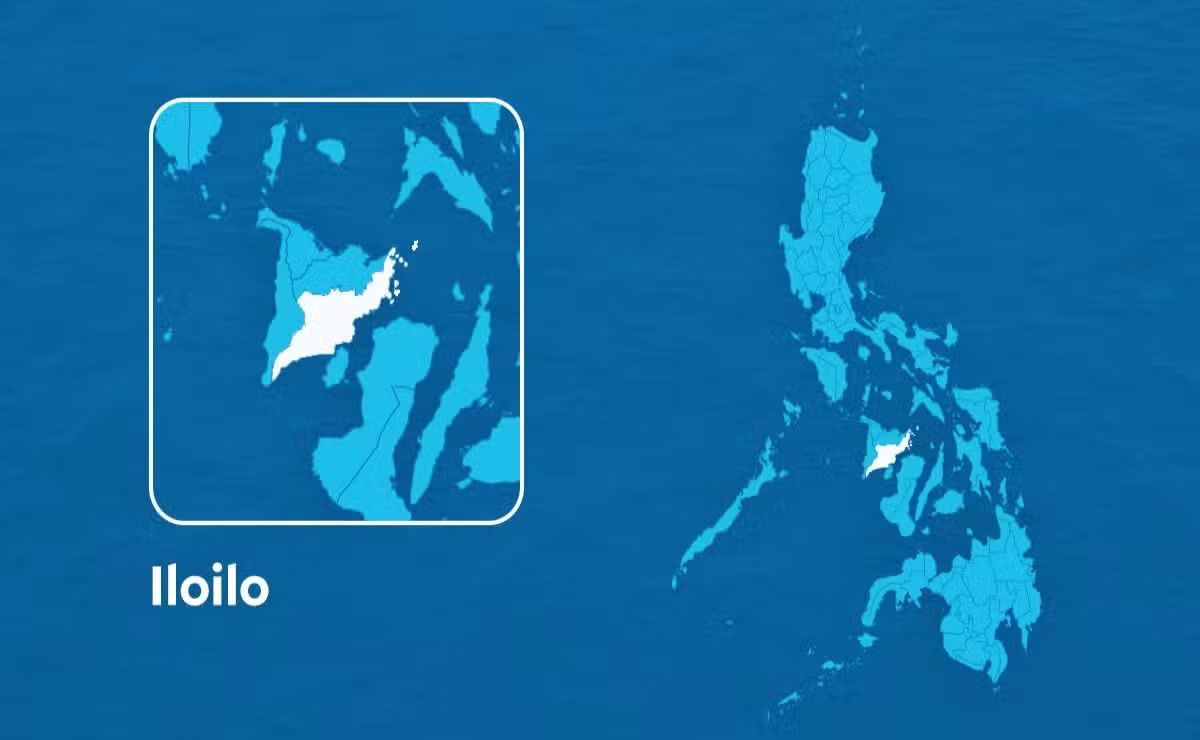
An Ilonggo businessman recently placed on the United States Federal Bureau of Investigation's Most Wanted Fraudsters list is currently in the Philippines, according to his family, who have publicly appealed for measured public response to his designation. Rey Grabato II, whose father Mina serves as mayor of Iloilo town, was announced by the FBI on August 13 as being under investigation for conspiracy to commit securities fraud, securities fraud, conspiracy to commit wire fraud, wire fraud, and conspiracy to defraud the United States regarding tax matters. The family's confirmation that he remains in Iloilo comes days after the high-profile listing, marking a significant moment that has drawn attention to the businessman's circumstances and background.
Mayor Rey Grabato, Grabato II's father, acknowledged on Friday that his son is indeed in Iloilo but refrained from providing additional details about his whereabouts or condition. The town mayor declined to elaborate further on the circumstances surrounding his son's addition to the federal watchlist, choosing instead to focus comments on his son's recent health crisis. This measured response from a sitting public official reflects the delicate position faced by families of individuals under federal investigation, particularly when political office and private matters intersect in the public eye.
The family's primary statement came from Christopher Rey Grabato, the businessman's youngest brother, who issued a comprehensive message via social media on Friday evening addressing both the legal designation and his elder brother's medical situation. Christopher Rey emphasised that neither Rey Grabato II nor any authorised representatives have received formal notice or summons from Philippine or United States authorities regarding the FBI listing. This clarification appears designed to establish that the family does not acknowledge the legitimacy or finality of the designation, at least in their interpretation of legal procedures.
Central to the family's narrative is the assertion that Rey Grabato II is currently incapacitated by a severe stroke, a medical event that has fundamentally altered his functional capacity. According to Christopher Rey's statement, his brother is experiencing partial paralysis with significant limitations affecting mobility, communication, and cognitive processing. The family has portrayed these medical limitations as the overriding concern, positioning his recovery and rehabilitation as their immediate priority rather than the federal allegations. This framing seeks to humanise the situation and redirect public perception toward sympathy for medical hardship rather than criminal culpability.
The underlying allegations centre on Rey Grabato II's association with the National Realty Investment Advisors, an entity that has become the focal point of federal prosecutors' investigation. The FBI's designation specifically relates to his involvement with this organisation, though the family has contested the characterisation of his actual role and authority within the company. Christopher Rey's statement strategically cited reporting from Barron's, the financial publication owned by Dow Jones & Company, which quoted federal prosecutors themselves describing Rey Grabato II's leadership position as merely "titular" in nature. This legal designation carries significant implications, as it suggests nominal rather than substantive control, potentially undercutting arguments about his culpability in fraudulent schemes.
According to the family's argument, the actual governance and operational control of the National Realty Investment Advisors rested with another individual, Thomas Nicholas Salzano, who has already been apprehended by federal authorities. By emphasising Salzano's prior capture and positioning him as the principal architect of the enterprise, the family narrative attempts to establish a hierarchy of responsibility where Rey Grabato II occupied a secondary or figurehead position. This legal strategy mirrors common defence approaches in complex fraud cases where multiple individuals are involved, with lower-level operatives or figureheads seeking to deflect responsibility toward those with genuine decision-making authority.
The emergence of this case carries particular resonance for Southeast Asian observers, as it illustrates how cross-border financial crime investigations intersect with the region's economic relationships with the United States. The involvement of a businessman with deep roots in Iloilo and political connections through his father's municipal office highlights how federal securities and tax investigations can reach into provincial Philippines communities. For Malaysian and other regional readers, the case underscores the long reach of American financial enforcement and the potential vulnerabilities of companies and individuals engaged in cross-border investment schemes.
From a procedural perspective, the family's assertion that no official summons has been received raises questions about the practical implications of FBI Most Wanted listings for individuals residing outside United States jurisdiction. The Philippines, as a sovereign nation, has its own legal frameworks governing extradition and cooperation with foreign law enforcement agencies. The gap between being named on a federal watchlist and actually facing legal process in the Philippines or United States represents a critical distinction that may explain the family's current defensive posture and appeals for public patience.
The broader context of securities fraud and tax evasion cases involving investment advisories has become increasingly common in recent years as regulatory agencies worldwide intensify scrutiny of complex financial structures. Investment advisory firms operating across multiple jurisdictions have faced heightened examination, particularly those handling significant client assets. The involvement of an entity named National Realty Investment Advisors suggests exposure to real estate-related investment products, a sector that has attracted regulatory attention due to its vulnerability to fraudulent schemes targeting retail investors seeking alternative investments.
For Philippine readers and observers throughout Southeast Asia, this case demonstrates the intersection of local politics, family dynamics, health crises, and international law enforcement. The positioning of a municipal mayor navigating his son's federal legal troubles while managing municipal responsibilities creates a human drama that transcends simple criminal narratives. The family's public relations strategy reveals how individuals facing federal allegations employ multiple tools—medical evidence, legal technicalities, social media statements, and reframing of responsibility—to contest the government narrative and appeal for public understanding.
The timeline of events remains incomplete, with significant questions unanswered about how the investigation developed, what evidence federal prosecutors possess, and what role Philippine authorities may play in any potential legal proceedings. Christopher Rey Grabato's commitment to address matters through proper legal channels and comply with required processes suggests the family anticipates eventual formal engagement with the justice system, even as they currently contest the FBI's public designation. The coming months will likely reveal whether Philippine authorities initiate their own investigations or whether the case remains under exclusive American jurisdiction pending possible extradition proceedings.
Ultimately, this case encapsulates the challenges faced by families caught between international law enforcement and personal loyalty, between medical crisis and legal jeopardy, and between public interest and private dignity. The family's appeal for restraint and understanding reflects a recognition that the court of public opinion often moves faster than the actual courts, particularly in cases involving prominent business figures and political connections. Whether Philippine authorities will take action based on American accusations, and whether the individual's medical condition will affect any eventual legal proceedings, remains to be determined through formal institutional channels.

