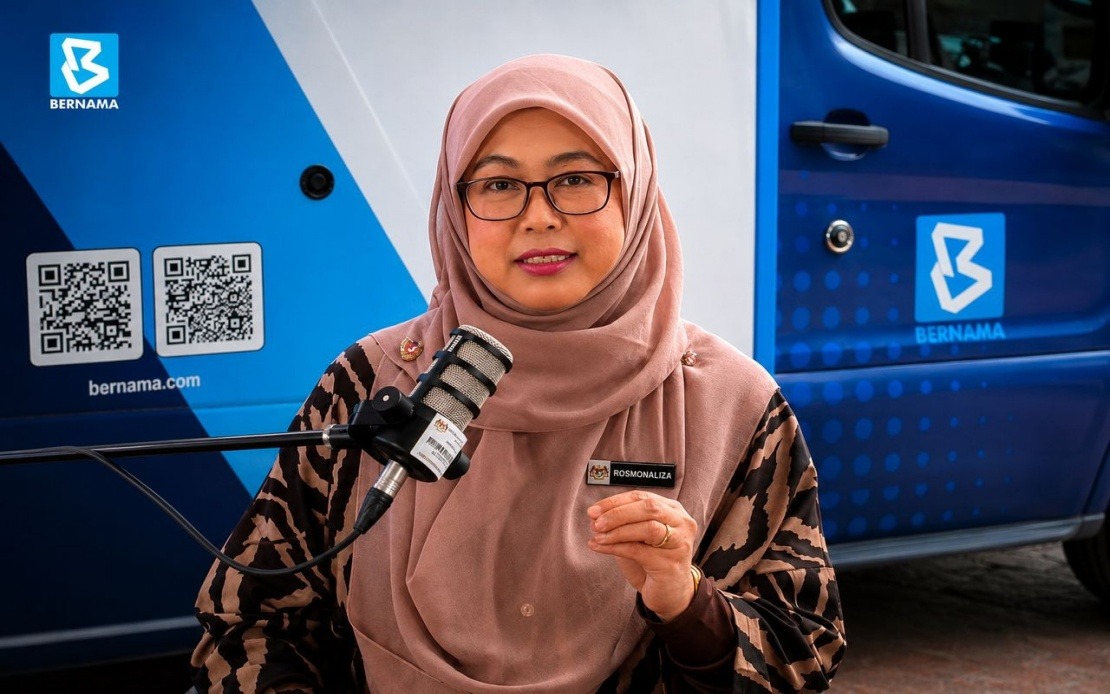
The changing demands of contemporary family life have created an urgent need for Malaysian fathers to expand their roles significantly beyond traditional breadwinning, according to the National Population and Family Development Board (LPPKN). In a discussion on the KASIH Lensa Keluarga podcast, LPPKN's Family Well-being Division director Rosmonaliza Abdul Ghani highlighted how modern households require fathers to become emotionally engaged partners in child-rearing, active educators and communicators within their families. This shift reflects broader social transformations that have fundamentally reshaped expectations around parental involvement and family dynamics across Malaysian society.
Rosmonaliza stressed that the traditional image of fathers as sole earners has become outdated in today's context. Fathers now occupy a more complex position, functioning simultaneously as financial providers and architects of family stability. This dual responsibility extends into areas that earlier generations might have considered the exclusive domain of mothers. By serving as agents of positive change within their households, fathers contribute directly to creating resilient family structures capable of navigating modern pressures and challenges. The shift represents a recognition that children's overall development—intellectual, emotional and social—depends on meaningful paternal engagement throughout their growing years.
Effective communication emerges as a cornerstone of this expanded paternal role. Rosmonaliza emphasised that families can only thrive when fathers actively participate in dialogue with their children and spouses. This communication must extend beyond logistical discussions to encompass emotional expression, active listening and genuine connection. By maintaining open channels of dialogue, fathers ensure their relevance in their children's lives and demonstrate that they understand and care about their concerns. The benefits of such engagement ripple outward, creating family environments where all members feel valued and heard.
Social worker Abbe, drawing on extensive experience working with marginalised communities and street children, provided compelling evidence for the necessity of paternal involvement. His observations reveal a troubling pattern: families lacking an engaged father figure frequently experience compounded social difficulties. When household heads withdraw from active parenting due to substance abuse, financial desperation or other challenges, children become vulnerable to numerous negative outcomes. The absence of paternal guidance creates a void that drug abuse, delinquency and poverty rush to fill. This connection between father absence and social breakdown underscores why paternal engagement matters not merely as a family concern but as a public health and social stability issue.
RELATED: The factors contributing to family breakdown extend beyond mere paternal absence. Drug addiction among heads of households represents a particularly destructive force, as it simultaneously removes a father's capacity for engagement while introducing instability and often criminality into the family unit. Poverty similarly compounds these challenges, forcing fathers into survival mode where emotional nurturing becomes a luxury they cannot afford. These interconnected problems suggest that supporting fathers requires addressing their material circumstances, mental health and access to therapeutic resources alongside cultural messaging about fatherhood.
LPPKN has responded to these needs by developing a comprehensive support infrastructure. The board now offers counselling services, therapeutic interventions and personality assessments specifically designed to address the challenges fathers encounter. These services acknowledge that many fathers struggle in silence with financial anxiety, mental health difficulties and the weight of providing for their families while also meeting new expectations for emotional availability. By creating safe spaces where men can articulate their struggles without shame, LPPKN recognises that fathers must receive support themselves before they can effectively support their families.
The increasing willingness of men to seek professional help represents an encouraging trend. More fathers now attend counselling sessions independently and participate in family therapy with their spouses and children. This shift suggests growing recognition that seeking assistance constitutes strength rather than weakness. For LPPKN, this trend validates its approach of positioning counselling not as intervention for failures but as ordinary support for navigating the complexities of contemporary family life. The normalisation of paternal counselling creates pathways for addressing problems before they fester into family crises.
Abbe emphasised that reaching struggling fathers requires wisdom and compassion rather than judgment or punitive measures. Men with strong egos may resist help if approached through criticism or blame. Instead, interventions rooted in religious values, family principles and cultural respect can help fathers reconnect with their identities as household leaders and responsible caregivers. This approach acknowledges the dignity and agency of fathers while helping them move past whatever circumstances have led them away from family engagement. The strategy proves particularly important in Malaysian contexts where cultural and religious frameworks remain powerful motivators for behavioural change.
Rosmonaliza also highlighted the reciprocal nature of family support systems. While society emphasises what fathers should provide, she stressed that spouses and children bear responsibility for creating conditions where fathers feel valued and supported. Children often take their fathers' sacrifices for granted until confronted with their absence. Fathers similarly need tangible expressions of appreciation and recognition for their efforts. Creating this supportive family culture requires intentional effort from all members to acknowledge paternal contributions beyond salary contributions.
Quality time emerged as a critical metric in Rosmonaliza's discussion of paternal involvement. She emphasised that children value their father's actual presence far more than material possessions purchased through his labour. A father who works extended hours to provide luxuries but remains emotionally distant cannot substitute financial provision for genuine connection. Conversely, fathers who make time for activities, conversations and shared experiences create lasting bonds and memories that sustain children through life's difficulties. This distinction proves particularly important in affluent Malaysian families where material abundance can mask relational poverty.
The implications of expanded paternal roles extend throughout Malaysian society. In schools, children with engaged fathers demonstrate better academic performance and emotional regulation. In communities, families with stable paternal involvement contribute to lower crime rates and better social cohesion. In healthcare systems, children benefit from the preventative effects of strong family structures. Supporting fathers thus becomes not merely a family issue but a strategic investment in Malaysia's social and economic future.
Moving forward, LPPKN's advocacy suggests a cultural recalibration regarding Malaysian masculinity and fatherhood. The organisation implicitly challenges traditional narrower definitions that limited paternal identity primarily to economic provision. By positioning emotional engagement, educational involvement and family communication as legitimate expressions of masculinity, LPPKN opens space for more rounded and fulfilling expressions of manhood. This evolution may prove particularly important as Malaysian society continues navigating demographic shifts, economic changes and evolving family structures that demand more flexible approaches to parenting and household responsibility.

