A tragic vehicular incident in central Kuala Lumpur has claimed three lives and left a fourth critically injured, prompting authorities to escalate the investigation toward potential criminal charges. The fatal collision, which occurred in the early hours of Tuesday morning on Jalan Sultan Ismail, involved a truck operated by the Kuala Lumpur Immigration Department and a private vehicle. The three deceased—Shaik Mohd Firdaus Shaikh Yahya aged 53 and his two daughters, Siti Nor Sazlin aged 25 and Siti Darwisyah Auni aged 12—were members of the same household. Shaikh Yahya's wife, Norhayati Razali aged 55, sustained serious injuries and remains hospitalised under intensive care at Kuala Lumpur Hospital.
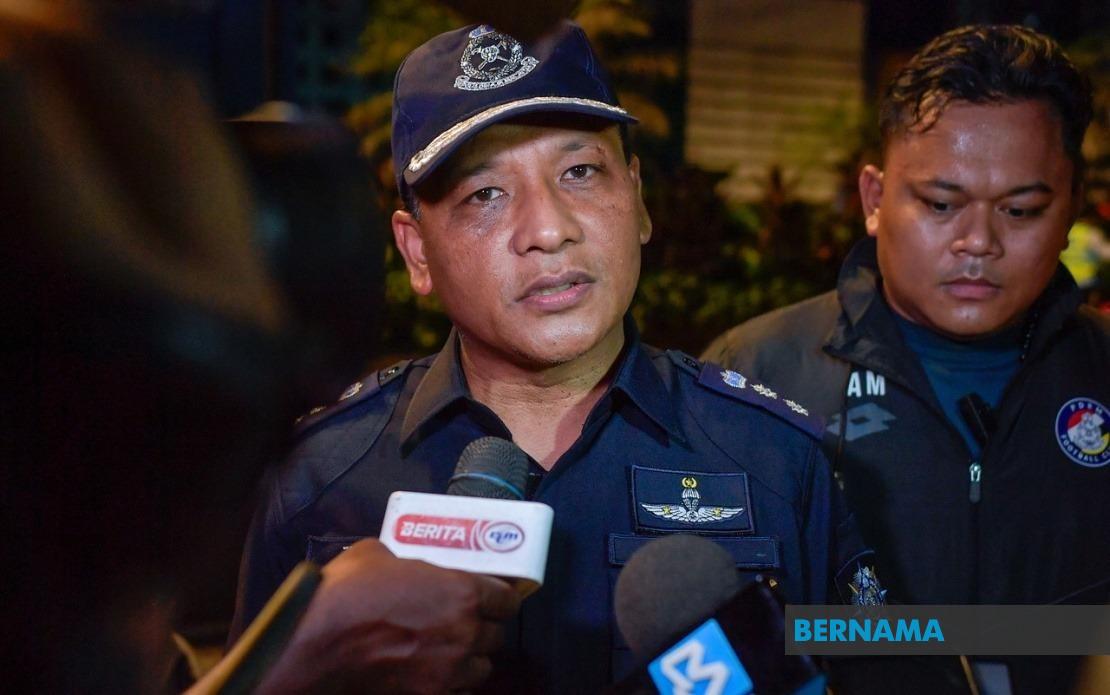
The Kuala Lumpur Traffic Investigation and Enforcement Department has completed its preliminary inquiry and determined that sufficient grounds exist to escalate the matter further up the chain of command. ACP Mohd Zamzuri Mohd Isa, who heads the JSPT, confirmed that the investigation dossier will be transmitted to the Attorney General's Chambers on Wednesday following consultations with the Kuala Lumpur Prosecution Director. This referral represents a critical juncture in the legal process, as the AGC's General Crime and Public Order Division will now determine what criminal charges, if any, should be laid against the individuals involved.
The coordination between the police and prosecution office underscores the complexity of accidents involving government vehicles. When official vehicles are implicated in fatal collisions, the investigative framework requires additional scrutiny to ensure both public accountability and proper adherence to legal procedures. The decision to escalate to the Attorney General's office signals that investigators have gathered sufficient evidence and documentation to warrant consideration of formal charges, though the final determination remains with the prosecution authorities.
Both drivers involved—the operator of the Immigration Department truck and the driver of the Proton Saga—are currently in police custody under a one-day remand order. The investigation is proceeding under Section 41(1) of the Road Transport Act 1987, which addresses offences related to dangerous or negligent driving resulting in death or grievous injury. This legal framework allows prosecutors to consider charges ranging from causing death through negligent act to more serious culpability depending on the circumstances and evidence.
Accounts of the incident paint a picture of a sequence of events that may have involved procedural violations on the part of the official vehicle. The Immigration Department truck, which was empty at the time, was en route to Chow Kit to conduct enforcement operations against unlawfully present persons. According to witness observations and police investigation findings, the truck is believed to have transited through a traffic junction against the red signal, albeit with its emergency beacon and siren active. Such activation of emergency equipment does not necessarily grant vehicles automatic right-of-way and does not absolve drivers of responsibility to ensure the intersection is clear before proceeding.
The Proton Saga, meanwhile, was lawfully crossing the same intersection under a green traffic signal. The resulting collision between these two vehicles was substantial enough to cause the heavier truck to lose directional control and veer off the designated roadway. This loss of control proved catastrophic, as the wayward truck struck multiple targets: the pedestrians from the deceased family and an Inokom Matrix vehicle. The sequence of events illustrates how a single traffic decision at an intersection can trigger a cascade of harm affecting multiple parties who were themselves complying with traffic regulations.
Government vehicle incidents carry particular significance in Malaysia's traffic safety discourse, as they involve both issues of road safety and questions of governmental accountability. The Immigration Department is a federal agency responsible for migration control, and collisions involving its operational vehicles necessarily attract public attention regarding driver training, adherence to road rules, and the appropriate exercise of emergency vehicle privileges. The death of two young women and a middle-aged man raises questions about whether emergency protocols are being applied appropriately when there are risks to the travelling public.
The referral to the Attorney General's Chambers marks a transition from the investigative phase to the prosecutorial phase. The appointed prosecution officer and the investigating officer will present their compiled evidence to the Head of the General Crime and Public Order Division, who must evaluate whether the facts support prosecution and, if so, under which statutory provisions charges should be preferred. This determination will carry implications not only for the individuals involved but potentially for how government agencies conduct emergency operations within urban centres.
For Malaysian motorists and road safety advocates, this incident underscores the shared responsibility that all road users bear in maintaining safe traffic flow. While emergency vehicles do require certain operational flexibilities, their drivers are nevertheless bound by fundamental safety principles. The presence of active emergency signalling does not override traffic control devices when intersections are occupied by other lawful road users. The tragedy serves as a stark reminder that split-second decisions at intersections can have irreversible consequences for families and communities.
The investigation's progression through the formal channels of the criminal justice system will be closely watched by both the Immigration Department and the broader public. The outcome will likely influence how government agencies approach emergency response operations in congested urban areas and reinforce training protocols for official vehicle operators. As the Attorney General's office evaluates the evidence, Malaysian road safety discourse continues grappling with the tension between permitting emergency response agencies operational flexibility and maintaining absolute adherence to basic traffic safety principles designed to protect civilians.

