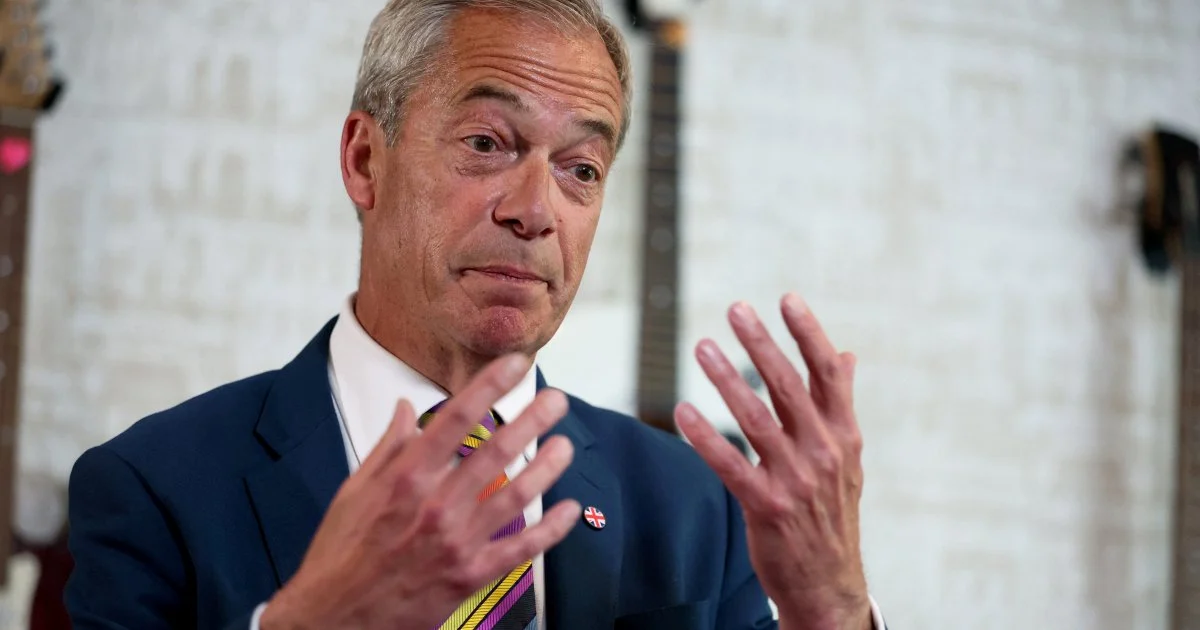
British hard-right politician Nigel Farage is navigating fresh controversy surrounding the non-disclosure of gifts and financial support, following newspaper revelations that a convicted fraudster allegedly covered substantial costs for his security operations and staff salaries prior to his election as a Member of Parliament. The allegations, emerging on Sunday, represent another chapter in a pattern of questions surrounding Farage's financial transparency that has periodically drawn public attention and regulatory scrutiny throughout his political career.
The situation gains particular significance given the broader context of parliamentary standards and disclosure requirements in the United Kingdom. Political figures are required to register financial interests and gifts above certain thresholds with the Parliamentary Standards Authority, a mechanism intended to maintain public confidence in the integrity of elected representatives. When such disclosures are overlooked or incomplete, they can trigger investigations and damage political credibility, regardless of whether legal violations ultimately occurred.
Farage's trajectory as a political figure has consistently intersected with controversy. Having led the United Kingdom Independence Party and subsequently the Brexit Party before his recent election, he has maintained a prominent position within Britain's hard-right political landscape. His controversial statements and populist messaging have generated both devoted supporters and fierce critics, but questions about financial probity represent a distinct category of allegation that extends beyond his characteristic political rhetoric.
The involvement of an individual with a fraud conviction introduces an additional layer of complexity to the narrative. It raises questions not merely about inadvertent oversight in gift registration but potentially about the judgment demonstrated by accepting such support and the circumstances surrounding that relationship. The nature of the arrangement—whether the financial assistance was explicitly understood as a gift requiring disclosure or was framed differently—becomes relevant to evaluating both the technical compliance question and broader concerns about appropriate boundaries.
For Malaysian and Southeast Asian observers, this situation illustrates how even established democracies with long-standing parliamentary institutions periodically grapple with transparency and standards issues. While Malaysia's own political landscape has confronted significant controversies around political funding and financial disclosure, including high-profile cases involving prominent figures, the mechanisms available for addressing such concerns vary substantially between nations. The United Kingdom's approach, centring on regulatory bodies with investigating authority and public accountability mechanisms, provides one model for how democracies attempt to police themselves.
The timing of these allegations places additional pressure on Farage during a period when his political movement continues to influence British public discourse. Understanding the extent to which such controversies affect political viability in mature democracies offers comparative insights for how societies balance individual transgressions against broader support for political movements and ideas. In some contexts, such revelations have proven politically damaging; in others, they have been largely absorbed or dismissed by core supporters.
The investigation and potential findings will hinge partly on technical documentation—whether gift disclosures were or were not filed appropriately, and whether any regulations were violated. However, the reputational dimension extends beyond mere regulatory compliance. Public trust in political figures depends substantially on perceptions of transparency and adherence to ethical norms, irrespective of whether formal rules were technically breached. When questions arise about whether politicians have been fully forthcoming about their financial relationships, the broader credibility of political institutions can suffer.
Parliamentary standards bodies across democracies operate with limited enforcement powers, typically relying on investigation, exposure, and recommendation rather than criminal sanction. The effectiveness of such mechanisms depends heavily on media scrutiny, public interest, and the willingness of political peers to apply consistent standards. In Farage's case, how fellow parliamentarians respond to the allegations and what the relevant authorities ultimately conclude will shape both the immediate political consequences and longer-term implications for his standing.
For supporters of Farage's political positions, particularly those who view his hard-right stance on immigration and national sovereignty as representing overlooked public sentiment, such financial allegations may be dismissed as establishment attacks or media distraction from substantive policy differences. This dynamic—where scandal allegations become absorbed into broader narratives about institutional bias—has become increasingly common across multiple democracies, complicating the relationship between transparency mechanisms and genuine accountability.
The allegations also underscore the vulnerability of public figures to revelations about past financial relationships, particularly those predating parliamentary service when regulatory oversight was less directly applicable. Yet this historical dimension does not necessarily exempt such matters from contemporary scrutiny, particularly when disclosure requirements should have applied once individuals entered parliament. The question of what period's conduct falls within legitimate public interest remains contested in modern political discourse.
Looking forward, the resolution of this matter will depend on investigative findings by relevant authorities and, potentially, Farage's own explanations of the arrangements in question. Whether additional allegations emerge, and how comprehensively any investigation is conducted, will significantly influence the political fallout. For observers across Southeast Asia monitoring democratic governance challenges, this case illustrates both the mechanisms democracies possess for investigating such matters and the limitations those mechanisms face in ensuring consistent accountability.
The broader question animating such controversies concerns the relationship between personal conduct, regulatory compliance, and public trust in political leadership. Farage's response to these allegations, and the institutional response they generate, will likely set precedents for how similar questions are handled going forward within British politics and potentially influence approaches to political accountability discussions in other democratic contexts.

