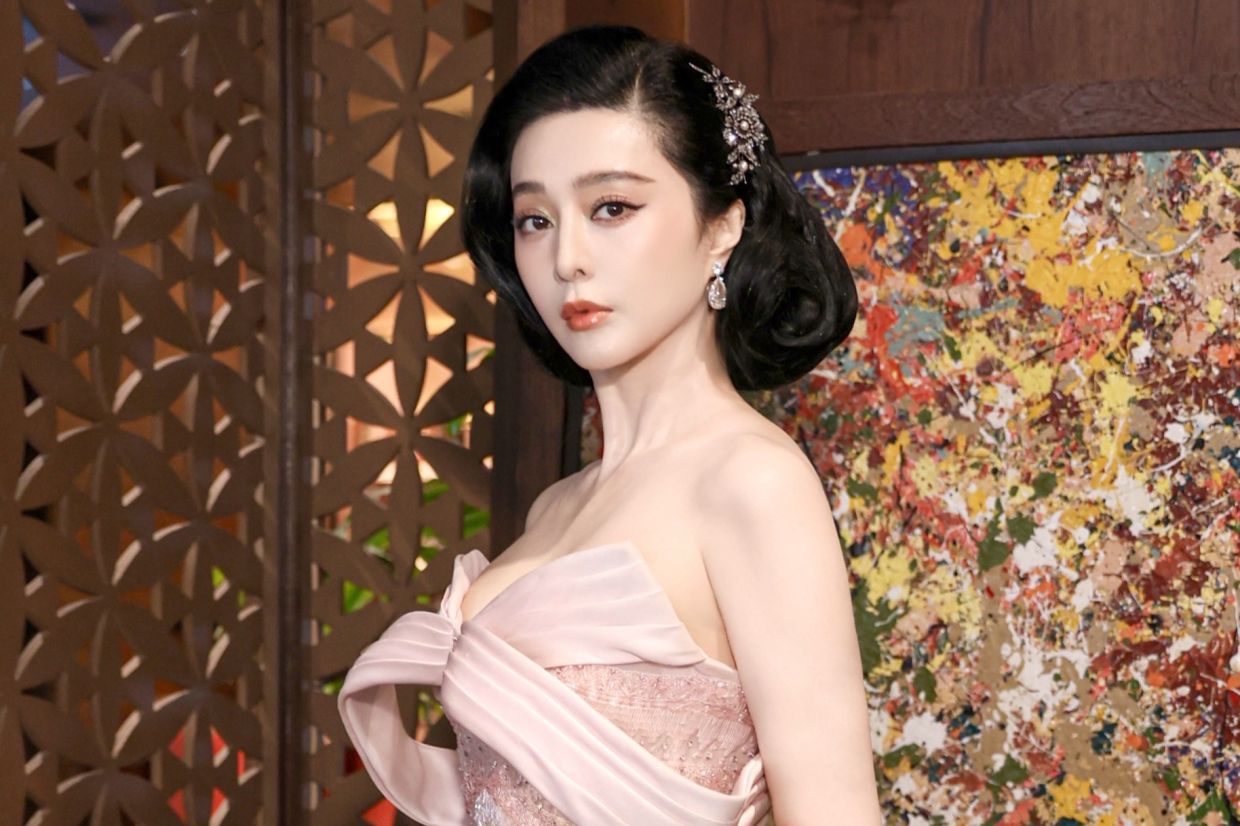
During a high-profile promotional event in Bangkok, Chinese actress Fan Bingbing has captured public attention not through elaborate performances or carefully crafted statements, but through genuine moments of human kindness that have resonated across social media platforms. The 44-year-old star, currently in Thailand to expand her skincare brand into Southeast Asian markets, demonstrated a level of attentiveness and compassion towards both staff and media representatives that observers say transcended the typical celebrity-industry interaction.
The most widely shared incident from the event involved Fan's interaction with her translator, who became visibly distressed during an interview session after losing her train of thought mid-translation. Rather than allowing an awkward silence to persist, Fan responded with immediate reassurance, offering a warm side embrace and gently patting the translator's head whilst offering quiet encouragement. The moment, captured and subsequently distributed across social networks, prompted observers to describe her behaviour as the mark of a truly considerate public figure, standing in contrast to the often-transactional nature of promotional appearances.
In a separate but equally memorable moment, Fan observed a reporter visibly struggling with Bangkok's notoriously intense humidity and sweat-soaked appearance. Without hesitation or fanfare, she extended a tissue to the journalist, a gesture so understated yet genuinely helpful that it generated considerable positive commentary online. Social media users subsequently dubbed her the "warm-hearted queen," a designation that appears to have resonated genuinely rather than serving as empty flattery, suggesting the actress's actions aligned with audience expectations of authentic kindness.
The Southeast Asian expansion of her skincare brand represents a strategic business move for the established performer, who has been actively cultivating her presence in the region through multiple engagement opportunities. Beyond the formal promotional duties, Fan has invested considerable effort in personalised interactions with fans, dedicating time to autograph sessions and direct greetings at various scheduled appearances. This hands-on approach to market entry contrasts sharply with celebrity endorsement models where figurehead involvement remains superficial or limited to scripted appearances.
Fan's appearance at the Bangkok event also generated considerable discussion regarding her fashion choices, as she opted for a notably revealing outfit whilst promoting her skincare brand's flagship store opening. The decision to wear a low-cut ensemble appeared deliberately calculated to command media attention and reinforce the luxury positioning of her skincare line, demonstrating her continued understanding of celebrity visual communication and marketing psychology.
Beyond the immediate spectacle of the event, Fan took the opportunity to articulate a more measured perspective on her acting career, one that reflects changing priorities at a stage in life when fewer industry obligations feel mandatory. She explained that her approach to selecting film roles has become considerably more selective in recent years, involving meticulous script analysis before commitment. This deliberate curation of projects stands in stark contrast to earlier phases of her career when she reportedly undertook nine films annually, a gruelling schedule that many observers attributed to industry pressures rather than genuine preference.
Her current working philosophy, as she articulated during the Bangkok event, reflects a more sustainable approach to career management. Fan stated unequivocally that producing a single quality film annually now represents her maximum commitment threshold, a threshold she enforces not out of diminished capacity but rather conscious choice about professional engagement. This recalibration aligns with broader industry trends in which established performers increasingly prioritise selective project involvement over maintaining high-volume output for its own sake, recognising that career longevity benefits from this more measured approach.
The actress addressed the inevitable speculation surrounding her personal life with characteristic humour, jokingly that retirement remained incompatible with fan expectations and that matrimony was similarly deemed unacceptable by her audience. These quips, whilst delivered lightly, hint at the complex relationship between celebrity personas and public perception, where audiences feel entitled to maintain significant influence over major life decisions. Her framing of these constraints through humour rather than defensiveness suggests emotional maturity about the trade-offs inherent in maintaining significant public prominence.
What appears to have struck observers most forcefully, however, was the disconnect between Fan's curated public image as a glamorous international celebrity and the unscripted moments of genuine consideration she displayed throughout the Bangkok event. The tissue offered to an overheated journalist or the reassurance provided to an anxious translator were gestures that occurred outside formal programming and without apparent expectation of media amplification. Yet their propagation through social media suggests audiences hunger for evidence that celebrity figures retain core human decency and basic empathy beneath the professional veneer.
The viral circulation of these moments reflects a broader shift in how contemporary audiences evaluate celebrity worth and authenticity. Traditional markers of success—box office returns, award nominations, or brand value—increasingly compete with perceptions of personal character and off-stage conduct. For Fan Bingbing, the Bangkok event appears to have reinforced a reputation for approachability that transcends typical Asian celebrity reserve, positioning her advantageously as she cultivates business ventures and professional opportunities throughout Southeast Asia.
As regional markets like Thailand continue attracting international celebrity business ventures, the manner in which established figures navigate these expansions matters considerably beyond immediate commercial returns. Fan's approach, characterised by both strategic visibility and authentic human engagement, provides a instructive model for how established performers might successfully enter new markets whilst simultaneously building genuine goodwill rather than mere transactional brand awareness. The enthusiastic online response to her Bangkok appearance suggests this approach resonates powerfully with contemporary audiences navigating an increasingly saturated celebrity landscape.

