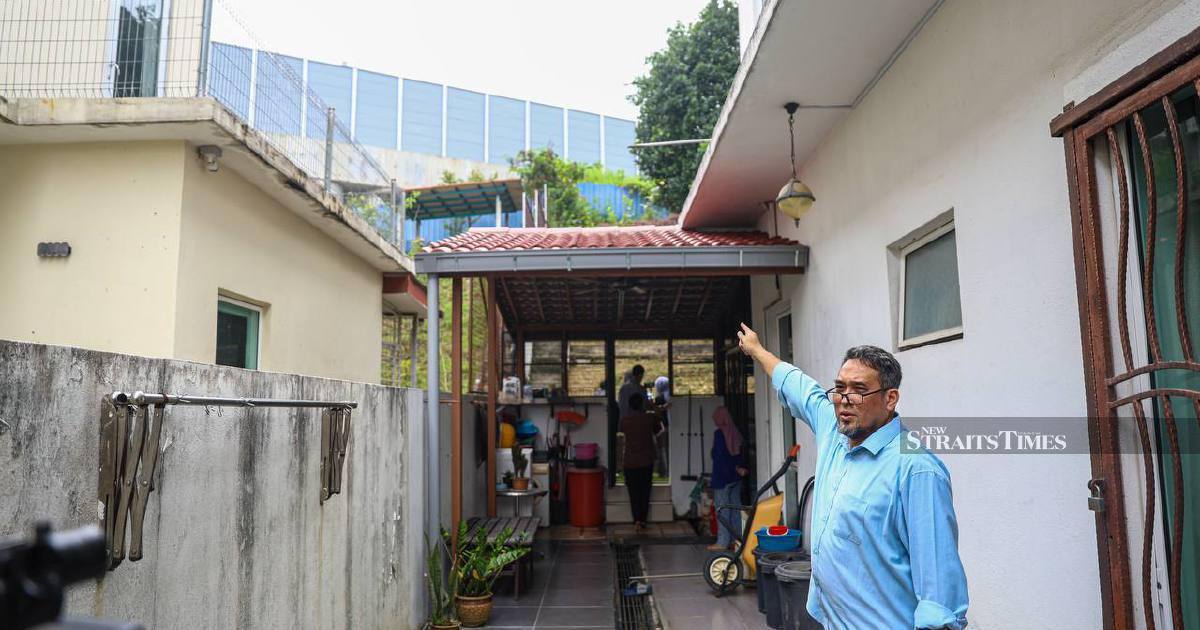
A Kuala Lumpur family is pursuing legal action against three entities linked to the East Coast Rail Link development, seeking RM1.33 million in compensation for alleged structural damage and safety deterioration to their residential property. The lawsuit represents a growing concern among homeowners in areas adjacent to the ambitious national infrastructure project about the impact of heavy construction works on existing dwellings.
The case highlights a recurring tension in Malaysia's rapid infrastructure expansion: balancing major development projects with the protection of residents' property rights and living conditions. The ECRL, a flagship initiative designed to enhance regional connectivity along the peninsula's east coast, has attracted both investment and scrutiny as construction progresses through established residential areas.
Homeowners living near major construction sites across Malaysia have historically faced challenges securing compensation for property damage. The burden of proof typically falls on claimants to demonstrate a direct causal link between specific construction activities and their losses. This family's decision to pursue formal legal proceedings suggests they have gathered substantial evidence documenting the deterioration and its connection to ECRL works.
The choice of defendants—three parties associated with the ECRL project—indicates the family's legal team has identified multiple entities potentially bearing responsibility. These could include the main contractor, construction subcontractors, or project management entities overseeing implementation. Naming multiple defendants strengthens the likelihood of recovery but also complicates litigation, as each party typically contests liability vigorously.
Structural damage claims arising from construction activities commonly involve issues such as foundation settling, crack development, and subsidence. These problems emerge when heavy machinery operation, explosions for tunnelling, or ground disturbance alters soil conditions beneath nearby properties. Documentation of such damage requires expert assessment, making structural engineering reports central to these disputes.
The ECRL's geographic scope—extending from Port Klang in Selangor to Kota Bharu in Kelantan—means numerous communities lie within the project corridor. This single lawsuit may foreshadow additional claims from other affected households. Insurance companies, project insurers, and contractors typically anticipate such claims when bidding for infrastructure contracts, factoring potential liabilities into project costs.
Malaysia's legal framework for construction-related property damage claims relies heavily on tort law and contractual negligence principles. Claimants must typically prove that defendants owed them a duty of care, breached that duty, and caused measurable loss. Expert testimony becomes essential, with structural engineers, surveyors, and other specialists providing professional opinions on causation and quantum of damage.
The RM1.33 million figure suggests the family claims substantial structural repair costs, potential diminution in property value, and possibly temporary relocation expenses. Quantifying such losses requires comprehensive documentation: before-and-after property valuations, repair quotations from qualified contractors, and expert reports detailing the extent and cause of damage. The defendants will likely challenge these valuations, arguing that pre-existing defects or other factors contributed to the observed problems.
For other residents in proximity to ECRL construction sites, this case carries significant implications. A successful verdict would establish precedent and encourage similar claims, potentially opening contractors to broader liability exposure. Conversely, dismissal or a reduced award might discourage homeowners from pursuing legitimate grievances. The outcome will likely influence how strictly construction entities adhere to damage-prevention protocols in populated areas during the remaining phases of the ECRL project.
Settlement discussions may occur before trial, as construction companies typically prefer avoiding protracted litigation that generates negative publicity and establishes unfavourable precedents. Insurance negotiations often drive these conversations, with project insurers sometimes willing to settle within policy limits to avoid litigation costs and publicity risks.
This dispute underscores the need for robust environmental and safety management systems during major infrastructure projects in urban and residential settings. Best practice involves comprehensive pre-construction baseline assessments documenting existing property conditions, continuous monitoring during works, and rapid response mechanisms for addressing complaints. Some Malaysian states have begun implementing stricter requirements for construction companies to maintain such documentation.
The case also reflects evolving public expectations regarding corporate responsibility in infrastructure development. Residents increasingly expect that national development projects incorporate stringent protections for existing communities, not merely compensation mechanisms for damage after it occurs. This shift places pressure on contractors and regulators to enhance prevention measures rather than rely solely on dispute resolution processes.
As Malaysia continues pursuing ambitious infrastructure goals, ensuring that construction impacts remain manageable for affected communities remains critical. The ECRL project's eventual success depends partly on maintaining public confidence that authorities adequately balance development needs with residential welfare and property protection.

