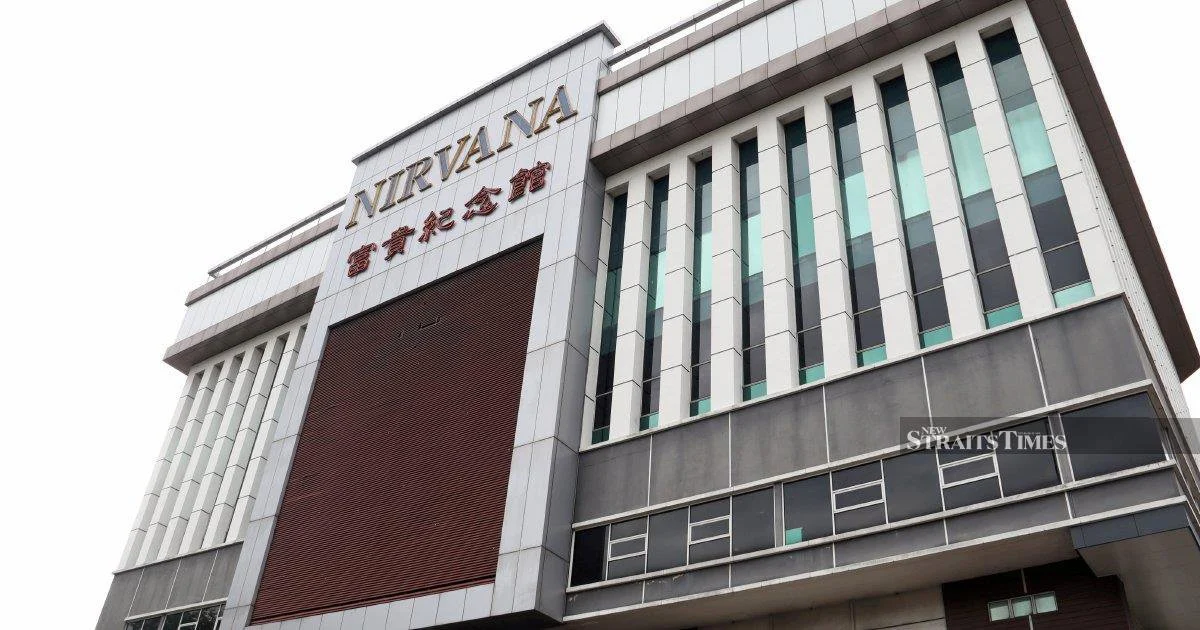
A family in Shah Alam has turned to the courts in response to what they describe as a serious breach of trust and security at Nirvana Memorial Park, filing a negligence lawsuit against the facility after urns holding the cremated remains of both their parents vanished from its columbarium in January. The legal action underscores growing concerns about the safeguarding of cherished remains stored at memorial facilities across Malaysia, where families entrust their departed loved ones to professional care.
The incident represents more than a simple property loss—it strikes at the heart of deeply personal and cultural practices surrounding ancestor veneration in Malaysian society. For many families, the ashes of deceased parents hold profound spiritual significance, and the loss of these remains constitutes an emotional and cultural wound that extends far beyond monetary compensation. The family's decision to pursue litigation suggests they believe Nirvana Memorial Park failed in its fundamental duty of care, a responsibility that memorial parks are expected to maintain as a basic service standard.
Memorial parks and columbarium facilities operate within a specific business framework in Malaysia where security, climate control, and careful record-keeping are essential components of their operations. These establishments charge families substantial fees for perpetual care and storage, with the implicit understanding that their premises remain secure and well-maintained. The alleged theft at Nirvana Memorial Park raises troubling questions about whether industry-wide security standards are adequate or if facilities are cutting corners in their protective measures.
The January theft incident has prompted wider examination of how such facilities catalog, track, and secure the thousands of urns often stored within their complexes. Unlike conventional storage facilities, columbarium management demands absolute reliability because replacement or recovery is emotionally impossible—each urn contains irreplaceable remains that cannot be duplicated or recovered once lost. This unique vulnerability makes the security breaches particularly egregious and explains why families would pursue legal remedies when such failures occur.
The lawsuit likely raises multiple allegations beyond simple negligence, potentially touching on breach of contract, inadequate security measures, and failure to maintain reasonable safeguards. The family would need to demonstrate that Nirvana Memorial Park owed them a duty of care, that the facility breached this duty through negligent conduct or omission, and that this breach directly resulted in quantifiable damages. Establishing the monetary value of such losses presents legal complexities, as the urns themselves may be relatively inexpensive items, yet the contents carry immeasurable sentimental and cultural worth.
From a regulatory perspective, this case may expose gaps in Malaysian oversight of the memorial services industry. There are no widely publicized industry standards or mandatory security certification requirements that all columbarium facilities must meet before operation. Unlike other regulated industries, memorial parks operate with minimal external audit requirements regarding their physical security systems, staff training, or inventory management procedures. This regulatory vacuum creates an environment where facilities can establish their own standards, sometimes to the detriment of client protection.
The incident also highlights the vulnerability of families who have invested in what they believed to be permanent, secure arrangements for their deceased relatives. Many families select columbarium plots specifically because they assume professional management will provide superior protection compared to keeping ashes at home. When facilities fail to deliver on this basic promise, the resulting violation of trust becomes both legal and existential.
During litigation, the court will likely examine Nirvana Memorial Park's security protocols, including surveillance systems, access controls, staff rotation procedures, and inventory verification processes. Any evidence of inadequate or negligent security measures—such as unmaintained cameras, poor access control, insufficient staff supervision, or incomplete record-keeping—would strengthen the family's negligence claim. Insurance coverage and the facility's financial capacity to compensate the family may also become relevant factors in settlement negotiations.
Beyond this individual case, the lawsuit serves as a catalyst for broader conversation across Malaysia about how memorial services should be regulated and standardized. Other families who have entrusted their parents' remains to various facilities may now scrutinize security practices at their chosen locations, potentially demanding improved measures or switching providers. Industry associations, if they exist, might face pressure to establish minimum standards, and the government could consider implementing formal licensing and oversight requirements.
The emotional and cultural dimensions of this case resonate throughout Malaysian society, where filial piety and proper ancestral veneration remain core values. The failure to maintain the safety of parents' remains strikes at fundamental respect for the deceased and represents a betrayal of family expectations. This cultural context may influence how the court views the damages and the appropriate remedy, potentially extending beyond standard negligence compensation to account for the intangible losses involved.
As this case proceeds through Malaysia's legal system, it will likely establish important precedents regarding the responsibilities of memorial facilities toward their clients. A favorable judgment for the family could force industry-wide reassessment of security practices and lead to more stringent regulatory oversight. Conversely, if the facility is found not negligent, it may require families to accept greater personal responsibility for verifying security measures before entrusting their loved ones to such facilities, fundamentally altering the nature of the client-provider relationship in the memorial services sector.

