The moment Suwanna Saeteaw, 38, saw a mobile phone displayed on television news footage—one she recognised as belonging to her 25-year-old sister Jarawee Sermsiri—her worst fears crystallised into a nightmare she could no longer deny. The device had been recovered from the Rong Beer Na Lat Phrao bar and restaurant, a venue that became an inferno close to midnight on July 12, claiming at least 28 lives and injuring more than 70 others. When Suwanna called the number in desperation, a rescue worker answered from the other end. That single moment transformed her anguish into a marathon of hospital visits and forensic centre checks, each hour stretching painfully as she searched survivor lists while dreading what the unidentified dead might reveal.
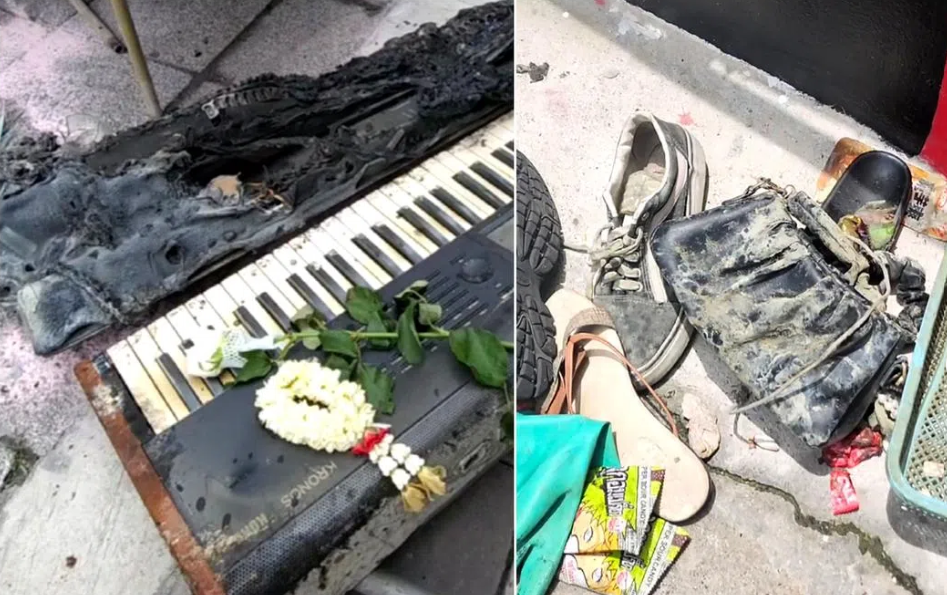
The fire marks Thailand's deadliest such catastrophe in nearly two decades, a grim milestone that evokes memories of the Santika nightclub disaster on New Year's Eve 2009, when a blaze killed 67 people and injured over 200 in the same capital. The speed and ferocity of the July 12 inferno caught patrons entirely unprepared. Outside the charred concrete building, abandoned shoes and belongings scattered across the ground testified to the panic that gripped those inside as flames and suffocating black smoke engulfed the venue. Witnesses estimated approximately 300 customers occupied the single-storey structure when the fire ignited, though the bar normally draws between 600 and 700 patrons on a typical evening.
The anguish of families like Suwanna's played out across Bangkok in the immediate aftermath. Authorities collected DNA samples to aid victim identification, but officials warned that results would take roughly three days—a timeline that felt impossibly long for relatives desperate for answers. Speaking to journalists on the evening of July 13, Suwanna fought back tears as she described her emotional ordeal. "I'm heartbroken right now, but I'm still hoping that my sister's alive and receiving treatment at one of the hospitals," she said, embodying the fragile mixture of despair and determination that characterised families' responses during those initial hours.
Investigators swiftly focused on structural and procedural deficiencies that may have transformed the venue into a death trap. National police chief Kitrat Panphet revealed a troubling discovery: most fatalities were found in the toilets, suggesting that panicked patrons had sought refuge in a location offering no escape route. The absence of adequate lighting during the emergency compounded the chaos and disorientation. Police examination uncovered a critical vulnerability—one emergency exit had been partially obstructed by a shelf, reducing egress to a single-file passage that became hopelessly inadequate during the rapid evacuation. Investigators are scrutinising the building's 50-year-old electrical wiring, the combustibility of decorative materials, and whether emergency protocols had been properly maintained or advertised to staff and customers.
Bangkok Governor Chadchart Sittipunt observed at the scene that flames spread with frightening velocity, reaching the ceiling and creating a toxic smoke condition that likely accounted for the majority of deaths. The bar had successfully cleared a safety inspection as recently as April, a bureaucratic rubber stamp that now raised uncomfortable questions about inspection adequacy and enforcement rigour. Chadchart confirmed that the venue operated as a licensed restaurant within its single-storey concrete structure, yet somehow this official blessing proved insufficient to prevent catastrophe. The speed at which smoke accumulated and the inability of occupants to navigate exits in darkness created a lethal combination that overwhelmed even those who initially attempted escape.
Amorn Pimanmas, president of the Thailand Structural Engineers Association, conducted his own examination of the destroyed bar on July 13 and identified design flaws that accelerated the tragedy. The venue's low ceiling, combined with polyurethane foam decorations that are inherently combustible, created conditions where toxic smoke accumulated with terrifying speed, trapping people before alternative escape routes could be identified or accessed. His assessment highlighted a systemic problem that extends far beyond this single venue: Thailand possesses fire safety legislation, yet enforcement remains inconsistent and inadequate. "It's not like we don't have the law. It's the problem of how the law can be strictly enforced," Pimanmas told journalists, identifying the genuine crisis as one of regulatory will rather than regulatory absence.
Chaiyo Piwisol, a 30-year-old restaurant waiter who had visited the bar on three previous occasions, articulated the concerns that regular patrons harboured but apparently overlooked when returning for another evening. He described the space as consistently cramped and overcrowded, with narrow doorways that had always made him uneasy. The ceiling hung low, laden with decorations, lights, and suspended objects that created a claustrophobic ambience—features that retrospectively seem obvious warning signs of a venue prioritising aesthetic appeal and capacity over patron safety. "I think there should have been stronger safety measures," he reflected, articulating a sentiment that surely echoed through conversations among surviving patrons and their families.
Prime Minister Anutin Charnvirakul visited the scene and acknowledged that preliminary findings suggested the existence of "blind spots" lacking visible fire escape routes. He cautioned the public to await formal investigation conclusions while issuing a stern warning: "There will be no leniency if any laws have been broken." This statement represented a political acknowledgment that the disaster, while tragic, might also represent prosecutable negligence if authorities uncovered willful violations or systematic disregard for safety requirements. The public declaration served notice that accountability mechanisms would be activated, potentially extending consequences beyond the immediate venue operator to officials or inspectors who may have failed in their duties.
Survivor Panathaporn Thongyord, just 19 years old, escaped the flames but carries a different wound—the loss of a childhood friend she had known for 14 years. Her recollection of those final moments, when her companion urged her to flee without attempting mutual rescue, encapsulates the tragic choices that confronted people trapped in the inferno. "Everything happened so fast," she said, her voice carrying the weight of survivor's guilt alongside mourning. "We grew up together, slept over at each other's houses, ate together. I just want justice for my friend. I want to know why that back door couldn't be opened." This question—simple, direct, and profoundly human—captures what many families now demand: not merely explanation, but accountability for the conditions that transformed an evening's entertainment into a descent into smoke, panic, and death.
The tragedy has reignited scrutiny of Thailand's fire safety culture across entertainment venues, a sector that has experienced repeated disasters over the years. The question is no longer whether laws exist—they demonstrably do—but whether regulatory bodies, business operators, and venue designers will prioritise patron safety with the seriousness that prevention requires. For families like Suwanna's, waiting for DNA results while hospitals and morgues process the victims, the investigation's outcome carries profound implications: will deaths lead to genuine systemic change, or will the fire fade from public consciousness as another preventable tragedy that failed to catalyse meaningful reform?

