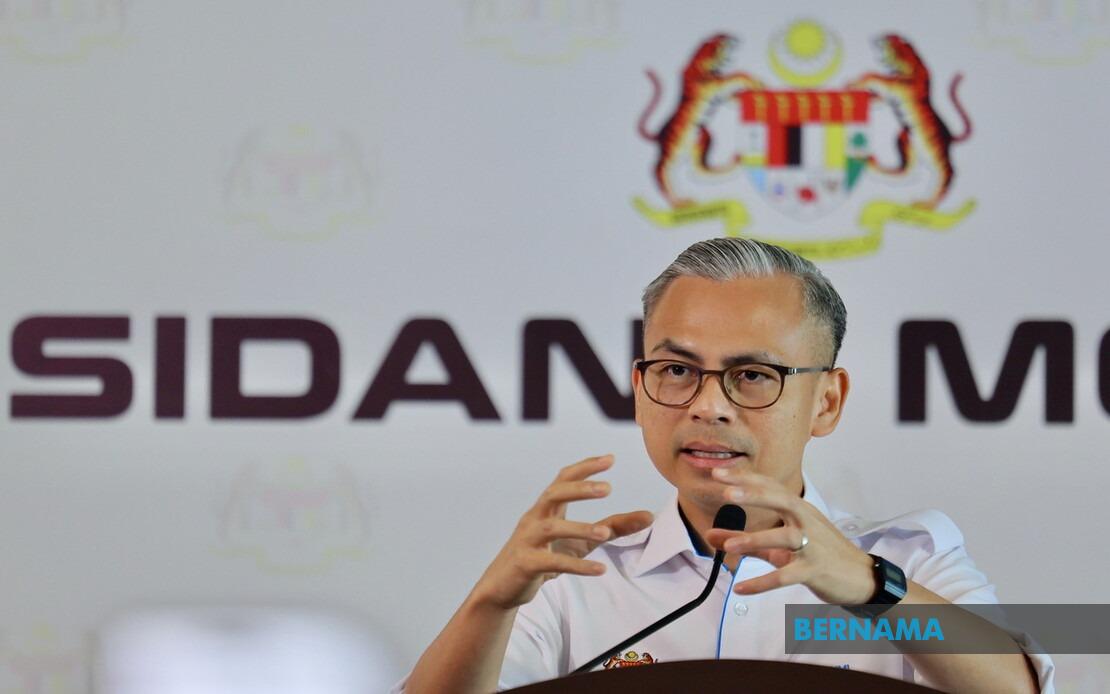
As Malaysia prepares to commemorate its independence milestones, Communications Minister Datuk Seri Fahmi Fadzil has issued a stirring appeal for national cohesion and collective pride. In a message released through Berita RTM's social media channels, Fahmi underscored that the freedoms and stability Malaysians enjoy today are built upon the sacrifices and determined efforts of previous generations. This framing positions the upcoming celebrations not merely as festive occasions, but as moments for reflection on the nation's historical journey and the contributions of those who fought for independence.
Fahmi's remarks resonate particularly in contemporary Malaysian discourse, where social cohesion and intercommunal harmony remain central political themes. He stressed that citizens across all demographic divides—encompassing different races, religions, customs, and social backgrounds—must work in concert to deepen the bonds of unity that characterise the nation. This inclusive language acknowledges Malaysia's multicultural fabric while appealing to a shared national identity that transcends individual community affiliations. Such messaging is strategically significant given ongoing conversations about social fragmentation and the need to reinforce common ground among diverse populations.
Central to Fahmi's message is the principle of mutual respect and collective guardianship of the harmony that underpins Malaysia's internal stability and international standing. Rather than framing unity as a demand imposed from above, he positions it as a collaborative endeavour rooted in what he termed "a spirit of togetherness and shared responsibility." This approach suggests that building a more inclusive, prosperous, and harmonious nation requires active participation from all segments of society working towards common developmental goals. The language of shared responsibility carries particular weight in Malaysia's context, where questions about equitable resource distribution and inclusive growth remain subjects of vigorous public debate.
The 2026 National Day and Malaysia Day celebrations operate under the thematic banner "Malaysia MADANI: Kesejahteraan Dinikmati," which translates to emphasis on shared wellbeing and prosperity. Fahmi explicitly connected this theme to his call for unity, asserting that the country's progress and economic gains must constitute a collective undertaking benefiting all Malaysians rather than concentrated segments. This articulation touches upon fundamental questions about inclusive development and distributive justice that resonate across Southeast Asia. Many nations in the region grapple with ensuring that economic advancement translates into tangible improvements for ordinary citizens, making Fahmi's emphasis on widespread prosperity distribution a relevant and timely intervention in national discourse.
The minister expressed confidence that Malaysia would sustain its trajectory as a unified nation while maintaining respect and influence within the international community. This forward-looking dimension acknowledges that national strength derives not only from internal cohesion but also from how Malaysia positions itself globally. In an era characterised by regional geopolitical competition and shifting international alignments, a united Malaysia carrying consistent messaging commands greater diplomatic weight and strategic relevance. Fahmi's reference to Malaysia commanding respect on the global stage implies that internal unity directly translates into enhanced international credibility and leverage.
Fahmi's invocation of patriotism as the animating force for these celebrations merits particular attention. Rather than nationalism in a narrow or exclusionary sense, his appeal seems directed towards civic patriotism rooted in shared commitment to national development and prosperity. This distinction matters significantly in multiethnic democracies where appeals to patriotism can either unite or divide depending on how they are framed. By tethering patriotism explicitly to themes of inclusion, mutual respect, and equitable development, Fahmi attempts to construct a patriotic narrative capacious enough to accommodate Malaysia's religious and ethnic plurality.
The timing of such messaging—issued during the height of preparations for National Day celebrations—underscores its strategic importance within the political calendar. These national commemorations serve as natural focal points for reaffirming official narratives about national identity, purpose, and aspirations. By articulating his message through established state media channels, Fahmi ensures broad dissemination and official validation of the government's preferred framing of national unity. This represents standard practice in political communications whereby significant anniversaries provide platforms for reasserting core policy priorities and values.
For Malaysian citizens and policymakers alike, Fahmi's message encapsulates several interconnected imperatives. First, it reinforces that contemporary Malaysia's prosperity depends upon maintaining the delicate balance of intercommunal respect and cooperation that has characterised much of the nation's post-independence history. Second, it asserts that development benefits must be conceived as national rather than particularistic, requiring deliberate efforts to ensure equitable distribution across geographical regions and demographic groups. Third, it frames patriotism as compatible with and indeed essential to Malaysia's multicultural project, suggesting that loving one's nation and respecting its diversity represent complementary rather than contradictory commitments.
Beyond Malaysia's borders, such messaging carries implications for Southeast Asia's broader political landscape. As regional nations navigate questions about managing diversity, sustaining economic growth, and maintaining international standing, the language of inclusive patriotism and shared prosperity offers a template that other governments might consider. Malaysia's experience in building a functioning multiethnic democracy, whilst imperfect and contested, provides relevant lessons for neighbouring countries wrestling with similar challenges. Fahmi's call for unity thus resonates beyond Malaysia's immediate context, speaking to regional preoccupations about social cohesion and developmental inclusivity.
As Malaysians participate in National Day and Malaysia Day observances, Fahmi's message frames these celebrations as opportunities for recommitting to foundational national principles. The emphasis falls not on triumphalism or nostalgia but on forward-looking collaborative effort to build a more equitable and harmonious future. This framing acknowledges both the achievements of independent Malaysia and the work that remains to translate the nation's diverse strengths into universally shared prosperity and wellbeing.

