Malaysia's communications minister has made a public call for political maturity during the Negeri Sembilan state election campaign, drawing attention to what he characterises as troubling trends of sabotage and vandalism that undermine democratic discourse. Datuk Seri Fahmi Fadzil's appeal came after reports surfaced that billboards belonging to Dr Azizul Hakim Mahdi, the Pakatan Harapan candidate contesting the Rantau state seat, had been damaged during the ongoing campaign period, with social media posts apparently documenting instances of the destruction.
The vandalisation incidents, though localised to one state constituency, reflect broader tensions that emerge during electoral campaigns across Malaysia. Such acts, according to Fahmi, represent a departure from the standards that democratic societies should uphold, where political competition centres on substantive policy disagreements rather than physical intimidation or the destruction of campaign materials. He emphasised that authorities would investigate these incidents and pursue appropriate legal remedies, as vandalism constitutes a criminal offence under Malaysian law. The minister's intervention underscores the government's position that campaign conduct should remain disciplined and professional throughout the electoral period.
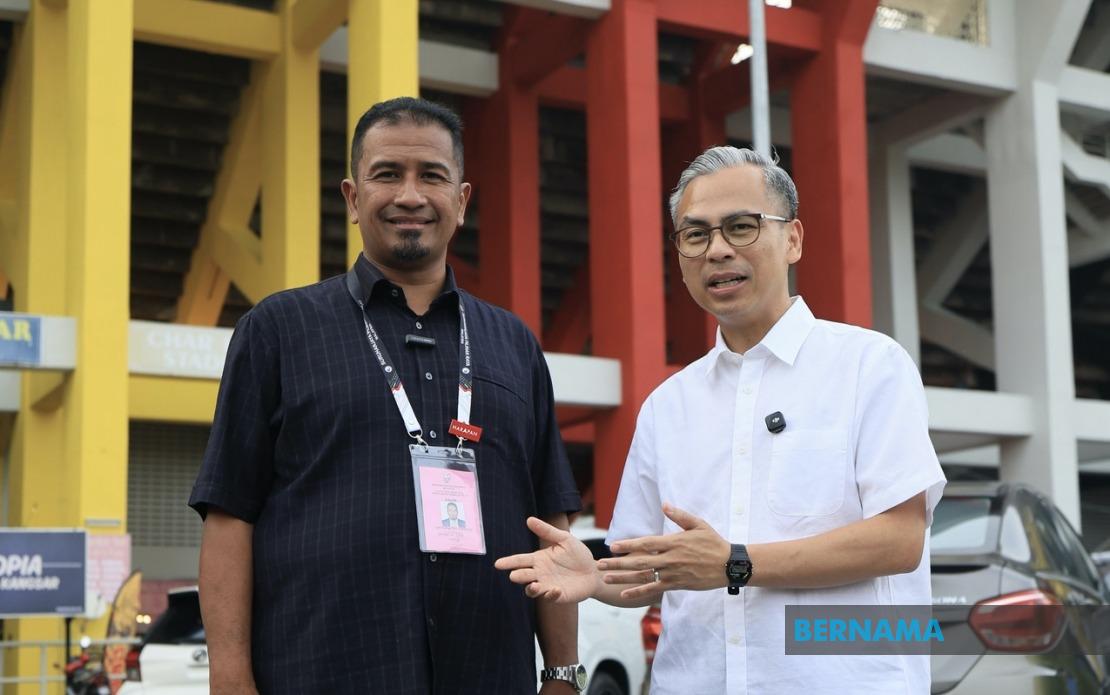
Fahmi's statement, delivered during a campaign walkabout accompanying PH candidate for Sikamat Nur Azman Mohamad at Paroi Stadium in Seremban, carries particular weight given his portfolio responsibility for communications and public discourse. His appeal specifically targeted two problematic campaign practices: the spreading of unsubstantiated claims and allegations intended to damage opponents, and physical actions designed to disrupt or sabotage rival candidates' campaign activities. These concerns are not merely procedural matters but touch on fundamental questions about how Malaysian voters receive information and form electoral judgments during campaign season.
The Negeri Sembilan state election, scheduled for August 1 with early voting on July 28, represents a significant political contest given the state's mixed electoral history and the potential implications for Pakatan Harapan's broader political standing. The timing of such incidents—occurring during the campaign's opening week—raises questions about whether competitive intensity might escalate as the election draws closer. Fahmi acknowledged this possibility, suggesting that the current campaign phase remained relatively subdued compared to what might emerge in subsequent weeks, noting that major political figures, including Prime Minister Datuk Seri Anwar Ibrahim, would intensify their campaign presence in the days ahead.
The appeal for campaign discipline carries implications extending beyond Negeri Sembilan's borders. Southeast Asia has witnessed concerning trends of campaign-related violence and vandalism in recent years, with several neighbouring democracies experiencing escalations in hostile campaign tactics. Malaysia's experience, while presently limited to billboard vandalism, could serve as an early indicator of whether electoral standards are being maintained or eroding. The messaging from senior government figures like Fahmi therefore serves a dual purpose: addressing immediate concerns while reinforcing broader democratic norms that the administration wishes to preserve.
Political campaigns naturally generate heightened emotions and partisan commitment among supporters and candidates. However, the transition from passionate advocacy to destructive action represents a critical threshold that democratic societies must maintain. Fahmi's intervention attempts to establish clear boundaries between vigorous campaigning and unacceptable conduct, framing the distinction as one between contests of ideas grounded in factual premises and campaigns characterised by slander, rumour, and intimidation. This framing resonates with international democratic standards while acknowledging Malaysia's particular context.
The involvement of social media in documenting or potentially encouraging such vandalism adds a contemporary dimension to traditional campaign conduct concerns. Digital platforms amplify both positive political messaging and potentially inflammatory content, creating environments where inappropriate behaviour might gain visibility or normalisation through online sharing. Fahmi's reference to Facebook posts showing vandalism indicates that documenting such incidents digitally provides potential evidence for authorities while simultaneously creating public narratives that shape voter perceptions of campaign atmosphere and political culture.
For Malaysian voters, particularly those in Negeri Sembilan, these developments underscore the importance of evaluating candidates based on policy platforms, experience, and demonstrated commitment to constituency issues rather than on the basis of campaign disruptions or rival-party sabotage. When electoral attention shifts away from substantive matters toward conflict and vandalism, voters' capacity to make informed decisions based on genuine information becomes compromised. This represents a subtle erosion of democratic quality that transcends individual incidents.
The Election Commission's role in overseeing campaign conduct, while distinct from Fahmi's appeals, operates in conjunction with government and party messaging regarding appropriate standards. Clear communication from political leaders about expectations for campaign behaviour influences how supporters interpret permissible conduct, potentially preventing escalation through social signalling. Fahmi's public statements therefore serve to establish norms that extend beyond legal enforcement, creating moral authority around expectations for mature political competition.
Looking forward, the campaign's final week will prove instructive regarding whether Fahmi's appeals gain traction or whether competitive dynamics continue to encourage boundary-pushing tactics. Malaysian electoral observers will monitor whether vandalism incidents increase, remain stable, or diminish as the August 1 polling date approaches. The state election outcome itself will likely be shaped primarily by voter judgments on substantive issues and candidate quality, but the campaign environment's character carries its own significance for democratic health and political culture beyond this particular contest.

