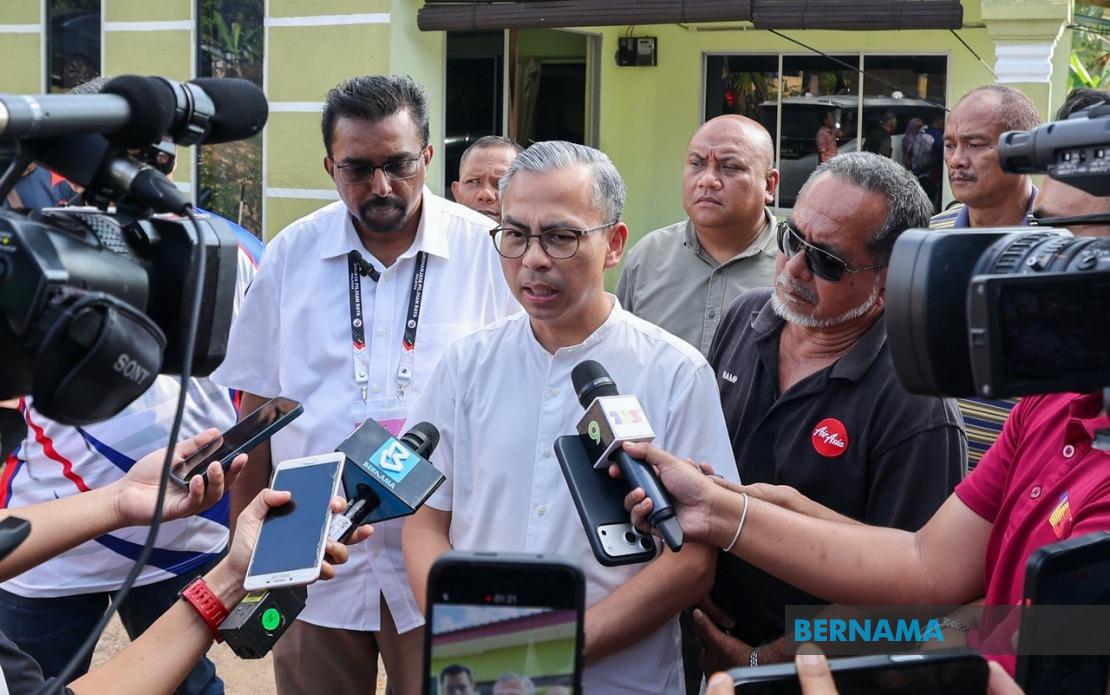
The government's commitment to transparency on Tabung Haji's troubled history took a significant step forward when Communications Minister Datuk Seri Fahmi Fadzil publicly advocated for full disclosure of the Royal Commission of Inquiry's final report. Speaking at a MADANI outreach programme in Jempol on July 23, Fahmi argued that releasing the comprehensive investigation into Malaysia's pilgrimage savings agency would serve the interests of depositors, contributors, and ordinary Malaysians seeking clarity on past mismanagement.
Fahmi's intervention represents a measured but firm stance on public accountability. The minister framed the release decision around fundamental governance principles, emphasising that transparency and fairness require citizens to access official findings rather than rely on fragmented media reports or speculation. His comments carry particular weight given his portfolio oversight of information policy, signalling that the government intends to move beyond the opacity that historically characterised discussions of the agency's operational lapses.
The Tabung Haji controversy has shadowed Malaysian public discourse for years, centred on allegations that the institution squandered depositor funds through questionable asset sales and investments under previous leadership. Thousands of Malaysians—many of modest means—entrusted savings to the agency in preparation for the Hajj pilgrimage, only to witness substantial value destruction. The scale of public concern justified formal investigation through the RCI mechanism, demonstrating official recognition that the matter transcended routine administrative review.
Prime Minister Datuk Seri Anwar Ibrahim reinforced Fahmi's position by confirming that the government stood ready to publish the report. However, Anwar indicated the process would require consultation with Tan Sri Shamsul Azri Abu Bakar, the Chief Secretary to the Government, underscoring the procedural and potentially sensitive nature of deciding what aspects of the inquiry findings warranted immediate public distribution. The Prime Minister projected that publication would occur no later than the following Wednesday, establishing a concrete timeline that moved beyond vague assurances.
Understanding the significance of Tabung Haji requires context on its institutional importance. The agency operates as a quasi-religious-financial body holding immense symbolic value within Muslim-majority Malaysia, combining spiritual aspirations for Hajj pilgrimage with practical savings mechanisms. When Tabung Haji encountered serious financial difficulties—stemming from aggressive real estate investments and share acquisitions that deteriorated in value—it affected not merely investment portfolios but the dignity and life plans of pilgrims. The emotional dimensions of this crisis cannot be separated from its financial implications.
The timing of this transparency push reflects broader shifts in Malaysian governance expectations. Citizens increasingly reject closed-door decision-making on matters affecting their economic security and religious obligations. The willingness of senior ministers to discuss releasing an RCI report demonstrates recognition that maintaining public trust requires confronting uncomfortable truths rather than protecting institutional reputations through secrecy. For a government elected partly on anti-corruption platforms, transparency on Tabung Haji represented a test of commitment to those principles.
Fahmi's assertion that Tabung Haji now operates from a stronger position under current management suggests the RCI process has coincided with substantive institutional reform. This framing allowed him to frame the report's release not as an indictment of ongoing dysfunction but as documentation of historical problems now addressed through better governance. Such positioning matters for maintaining public confidence in the agency's future, particularly as it attempts to rebuild relationships with depositors who experienced genuine financial losses.
The decision to release the report carries implications beyond Tabung Haji itself. It establishes precedent regarding RCI transparency that other government entities and future inquiries may reference. If the government follows through with publication, it signals that even high-level investigations into sensitive institutional failures need not remain classified documents accessible only to policymakers. This shift could reshape how Malaysian institutions approach accountability for significant public matters.
For the broader Southeast Asian region, Malaysia's handling of the Tabung Haji transparency question carries watchful interest. Several regional countries grapple with similar questions about state-linked enterprises and sovereign wealth vehicles managing citizen savings. How Malaysia resolves public accountability around failed asset management may influence governance standards across the region, particularly among predominantly Muslim nations where hajj savings mechanisms carry cultural resonance.
The practical mechanics of report release—determining what portions warrant redaction for security or privacy reasons, how findings are contextualised in official statements, whether accompanying recommendations receive implementation—will ultimately determine whether transparency becomes meaningful disclosure or carefully managed public relations. Fahmi's emphasis on comprehensive public examination suggests an openness to substantive scrutiny, though the final product's scope remains subject to inter-agency review processes that could expand or narrow its contents.

