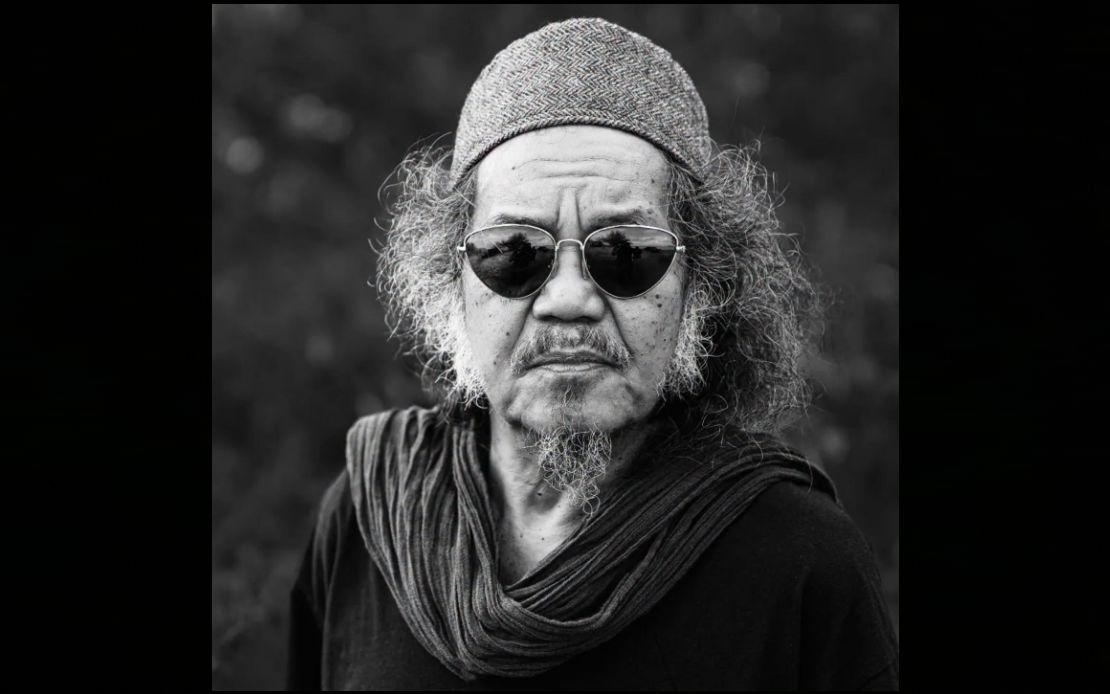
Communications Minister Datuk Seri Fahmi Fadzil has expressed deep condolences over the death of veteran actor Kamarool Yusoff, known throughout Malaysia's entertainment industry as Cik Man. The acclaimed performer passed away on the evening of August 5, marking the end of a significant chapter in Malaysian cinema history.
Fahmi took to Facebook to acknowledge the loss of an artiste who left an indelible mark on the nation's cultural landscape. His tribute specifically highlighted the resonance that Kamarool's career maintained among cinema enthusiasts who came of age during the vibrant 1980s film era, a transformative period for Malay-language cinema that produced many enduring classics.
The most defining moment of Kamarool's acting career came through his portrayal of Farouk, the ruthless leader of the "Gagak Hitam" gang, in the 1986 Malaysian classic film. This particular role became the character most audiences associated with him, demonstrating the power of a single, perfectly executed performance to define a career. The film itself has remained a touchstone of Malaysian cinema, frequently referenced in discussions of the nation's golden age of action and gangster narratives.
In his statement, Fahmi stressed that Kamarool commanded respect not merely within the entertainment fraternity but among the broader Malaysian public who valued the nation's artistic heritage. This observation underscores how certain performers transcend their immediate professional circles to become cultural figures, representing eras and establishing standards that influence subsequent generations of artists. Kamarool's contributions extended beyond individual performances to shape perceptions of Malaysian cinema internationally.
Fahmi's acknowledgment of Kamarool's legacy emphasised how the late actor enriched Malaysia's arts landscape through his dedicated work. The minister's words reflected a recognition that Kamarool's filmography and memorable roles had created lasting impressions that endured decades after their initial release, functioning as cultural touchstones for multiple generations of Malaysian viewers.
The passing of prominent figures from Malaysia's entertainment golden age inevitably triggers broader reflection on the film industry's evolution. The 1980s and 1990s represented a creative peak for Malaysian cinema, when domestic productions competed effectively with international imports and generated significant cultural influence throughout Southeast Asia. Kamarool embodied the professional standards and performance calibre that characterised that era.
In his tribute, Fahmi also extended religious respects, praying that Allah SWT would grant forgiveness for any transgressions, bestow divine mercy upon Kamarool's spirit, and secure his place among the righteous. This invocation reflected Malaysian Muslim customs regarding the recently deceased and demonstrated ministerial recognition of Kamarool's standing within society.
The minister's decision to publicly acknowledge Kamarool's passing through an official statement indicates how Malaysia's government recognises the contributions of cultural figures. Such tributes serve multiple functions: they honour individual legacies, validate the importance of artistic work within national identity, and signal government commitment to preserving and celebrating Malaysia's creative heritage.
Kamarool's career trajectory illustrates patterns common among Malaysian entertainers of his generation. Many rose to prominence through specific iconic roles that became inseparable from public memory, creating careers of considerable durability even as they did not necessarily generate continuous high-profile work. The 1986 film that featured his breakthrough performance has maintained sufficient cultural currency that new generations continue discovering it, ensuring Kamarool's name and image circulate beyond those who experienced the film's original release.
The entertainment industry mourns the loss of performers who connected audiences emotionally to stories and characters that shaped popular understanding of Malaysian society. Kamarool's villainous Farouk character, despite representing criminality and violence, resonated with viewers partly because it reflected genuine social concerns and anxieties that Malaysian filmmakers explored during that period. Such performances possess enduring value precisely because they engaged substantive themes.
As Malaysian cinema continues evolving through new technologies, distribution platforms, and storytelling approaches, figures like Kamarool represent institutional memory of how previous generations of artists built the industry's foundations. His passing prompts consideration of legacy preservation, archival practices, and ensuring that important Malaysian films remain accessible to contemporary and future audiences.

