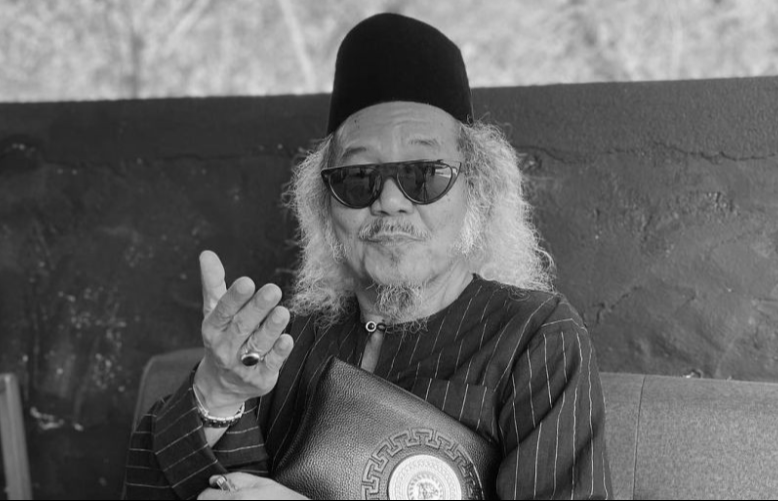
Kamarool Yusoff, the beloved Malaysian actor known by the moniker Cik Man, passed away on August 5 at the age of 68, leaving behind a legacy that shaped generations of Malaysian cinema-goers. The news of his death was made public through a Facebook announcement by comedian Mohammad Amirullah Azmi, widely recognised in entertainment circles as Amir Raja Lawak, who shared his condolences with the actor's family and expressed prayers for the departed soul.
The confirmation of Cik Man's passing came directly from his son, Ahmad Fakhrol Aliff, who is 23 years old. He disclosed that his father had succumbed to a heart condition while undergoing medical treatment at Tanah Merah Hospital, with the actor drawing his last breath at 5:30 pm. This details the medical circumstances surrounding his final hours, providing clarity to those seeking information about the veteran performer's condition in the days leading up to his death.
Communications Minister Datuk Seri Fahmi Fadzil took to social media to extend his official condolences and reflect on Cik Man's immense contribution to Malaysian performing arts. Through a Facebook post, the minister acknowledged the profound impact that Kamarool's career had on multiple generations of Malaysians, particularly those who came of age during the vibrant 1980s when Malaysian cinema was experiencing a golden era of creative output and commercial success.
Fahmi's tribute emphasised Kamarool's most iconic role as Farouk, the formidable leader of the fictional Gagak Hitam gang, in the 1986 classic film that remains etched in the collective memory of Malaysian film enthusiasts. This particular characterisation demonstrated the actor's range and ability to command screen presence, elevating him to legendary status within the industry and among audiences who recognised his talent for bringing complex, commanding characters to life on the silver screen.
The minister's statement highlighted that Cik Man was far more than just a talented performer in front of cameras. According to Fahmi, Kamarool commanded respect not merely within the acting profession itself, but among all segments of society who maintained a deep appreciation for Malaysia's rich artistic and cultural heritage. This broader recognition speaks to how his influence extended beyond entertainment circles into the wider cultural consciousness of the nation.
In his formal tribute, Fahmi expressed gratitude to Cik Man for the substantial enrichment he brought to Malaysia's arts sector through his body of work spanning multiple decades. He acknowledged the actor's role in creating enduring memories that audiences could revisit and pass down to subsequent generations, cementing his place in the history of Malaysian entertainment. The minister's words underscored how artists like Kamarool serve as cultural custodians, preserving moments of collective pride and artistic achievement for posterity.
Beyond his most celebrated role in the 1986 film, Cik Man continued to remain active in the entertainment industry well into later years. He made appearances in various productions, including a comedy venture in 2010, demonstrating his sustained commitment to the craft and his willingness to evolve with changing entertainment landscapes and audience preferences throughout his career.
Fahmi's tribute concluded with traditional Islamic prayers for the departed, requesting Allah's forgiveness for any transgressions and mercy upon Kamarool's soul, whilst praying that he would be placed among the righteous in the afterlife. This spiritual dimension reflected the Malaysian custom of honouring the deceased through religious observance and blessing, particularly significant in Muslim-majority Malaysia where such sentiments carry deep cultural meaning.
The passing of Cik Man represents a significant loss to Malaysia's film industry and cultural landscape. For cinephiles and film historians, his career serves as a window into a transformative period in Malaysian cinema when local films were exploring darker, more complex narratives and building devoted audiences. His death marks the end of an era and prompts reflection on the contributions made by pioneering actors who helped establish Malaysian cinema as a distinctive and respected regional industry during the latter decades of the twentieth century.

