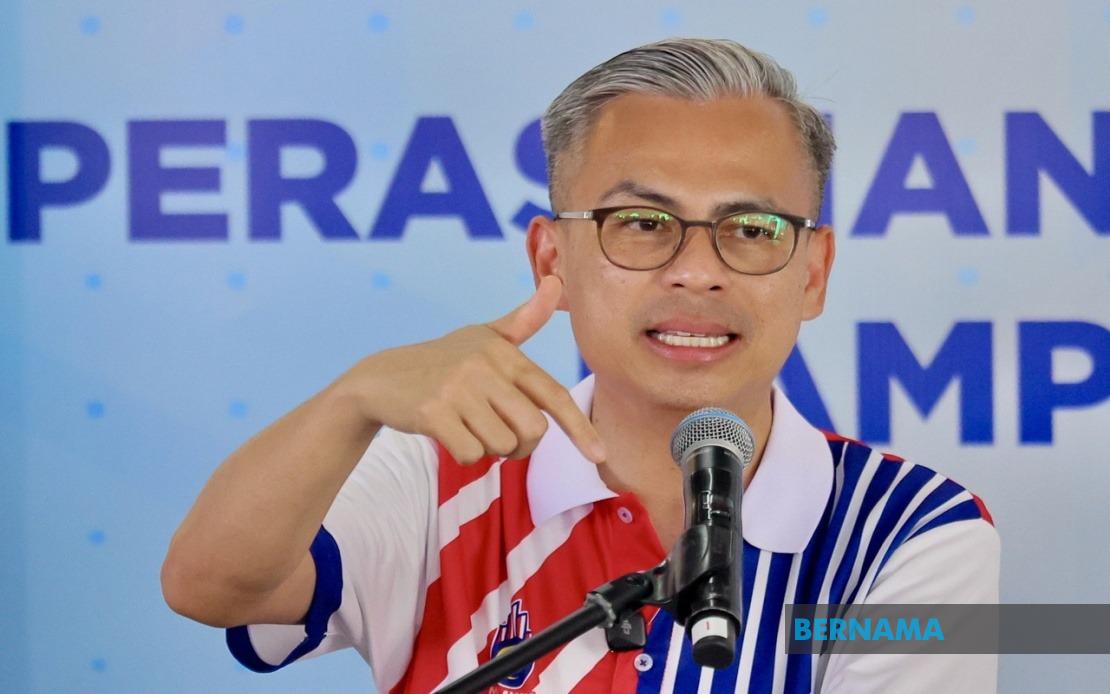
Communications Minister Datuk Fahmi Fadzil has strongly criticised those responsible for creating a fraudulent WhatsApp account that impersonates Pakatan Harapan (PH) candidate Saiful Nizam Samat in the ongoing Johor state election campaign. The minister's rebuke, posted in the comments section of Saiful Nizam's official Facebook statement, underscores growing concerns about the weaponisation of digital platforms during Malaysia's electoral contests. Fahmi's description of such tactics as "irresponsible" reflects broader anxieties about maintaining election integrity when malicious actors exploit messaging applications to mislead voters.
Saiful Nizam, the PH candidate contesting the Endau state seat, explicitly denied any association with the fake account, emphasising that the WhatsApp number using his name and identity operates entirely outside his campaign machinery. He stressed that his official communication channel, known as Team SS, maintains no connection to this fraudulent account. The distinction is crucial in preventing voters from being deceived into sharing sensitive personal information or believing fabricated campaign messages. Saiful Nizam's swift public response demonstrates the importance of candidates maintaining transparency when their identities are hijacked for malicious purposes.
The fake account displayed particular sophistication in its deceptive approach. It utilised Saiful Nizam's actual profile photograph and explicitly claimed: "I am Saiful Samad, the future Endau assemblyman"—a statement mixing his real name with a slight variation that created just enough confusion to mislead unsuspecting voters. This tactical combination of familiar imagery with claims of political authority represents a sophisticated form of election-related disinformation that exploits the trust voters place in direct communications from candidates. The account actively engaged members of the public for campaign-related discussions, potentially influencing voter perceptions under false pretences.
Saiful Nizam's team provided concrete evidence of the impersonation by sharing screenshots from the fraudulent account's conversation threads. These visual records serve a dual purpose: they establish clear documentation for potential investigation while simultaneously alerting the broader public to the scam's existence. By publicly demonstrating how the fake account operated, Saiful Nizam effectively nullified its persuasive power and inoculated voters against similar deception tactics. The public release of evidence also sends an implicit message that election-related fraud will not proceed silently or uncontested.
In his statement, Saiful Nizam issued a direct appeal to voters and concerned citizens to exercise heightened vigilance during the election period. He specifically cautioned the public against sharing personal information with unverified accounts and urged them to refrain from conducting business through suspicious communication channels. This defensive posture, while necessary, also reflects a troubling reality: Malaysian voters must now invest additional effort to verify the authenticity of direct communications from candidates. The burden of authentication, though falling on voters, represents a concerning erosion of the trust that should underpin electoral processes.
To maintain campaign credibility and prevent further confusion, Saiful Nizam directed all supporters and interested voters to contact Team SS exclusively through officially sanctioned channels for verification and authentic campaign information. This centralised communication approach aims to create a single, trustworthy conduit for campaign-related interactions. By concentrating campaign messaging through verified platforms, candidates can reduce the opportunities for imposters to exploit multiple communication avenues. The emphasis on official channels also signals to voters that legitimate campaigns maintain transparent, identifiable communication infrastructure.
The Endau state seat contest represents a competitive multi-way battle that encompasses candidates from four distinct political groupings: Barisan Nasional (BN), Pakatan Harapan (PH), Perikatan Nasional (PN), and Parti Orang Asli Malaysia (ASLI). This unusually fragmented electoral landscape in Endau suggests heightened competitive intensity among the contending parties. The emergence of a fake account targeting the PH candidate may reflect the aggressive campaigning environment characteristic of closely contested elections where marginal tactical advantages become strategically significant.
The incident raises important questions about the regulation and policing of electoral conduct on digital platforms. While traditional election law in Malaysia addresses campaign finance, false statements, and corrupt practices, the emergence of sophisticated impersonation tactics on private messaging applications like WhatsApp operates in a somewhat regulatory grey area. Platform providers themselves bear some responsibility for preventing such impersonation, yet enforcement mechanisms remain inconsistent and reactive rather than proactive. Malaysian electoral authorities may need to develop clearer guidelines and enforcement mechanisms specifically addressing digital-era election fraud.
Fahmi's ministerial intervention in condemning the fake account demonstrates political leadership recognising a genuine threat to electoral legitimacy. His statement that perpetrators "will do anything to win" reflects underlying anxieties about whether competitive political environments might incentivise unethical tactics among desperate candidates or operatives. This observation, while critical of the fraudsters, also implicitly questions the broader political culture that might tolerate such behaviour among supporters seeking electoral advantage. The minister's public condemnation helps establish normative boundaries around acceptable campaign conduct, signalling that authorities will call out violations.
The broader implications for Malaysian electoral politics deserve serious consideration. As digital communication increasingly dominates campaign strategy, the vulnerability to impersonation, disinformation, and coordinated deception operations will only expand. The Endau fake account represents merely one manifestation of how modern technology enables sophisticated electoral manipulation. Without substantial improvements in digital literacy among voters, platform accountability, and regulatory frameworks, such incidents will likely proliferate across future electoral contests. The democratic principle of informed voter choice becomes compromised when citizens cannot reliably verify the authenticity of communications from candidates.
Looking forward, political parties and candidates must invest in digital security measures, public education initiatives, and transparent communication protocols that help voters distinguish authentic campaign information from fraudulent impersonations. Simultaneously, Malaysian electoral authorities should consider developing guidelines addressing digital platform abuse during election periods. The Johor state election, ongoing during the period of this incident, provides a real-time test of how effectively existing institutional mechanisms can respond to emerging forms of election-related misconduct. The outcome will likely influence how future electoral contests address digital-era challenges to democratic integrity.

