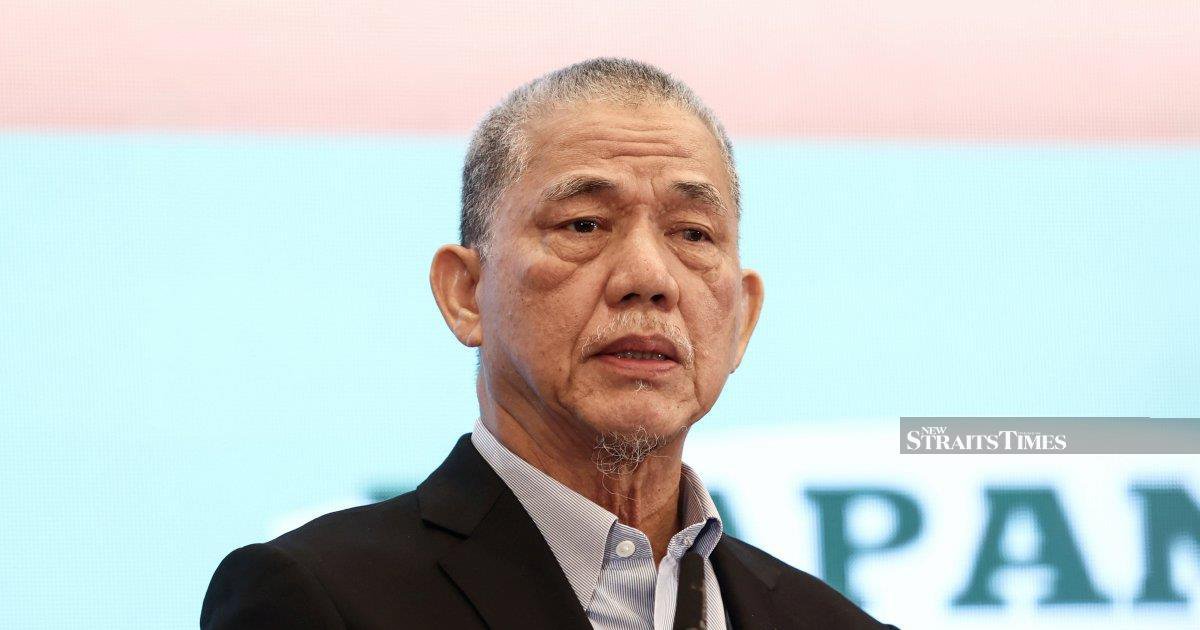
Deputy Prime Minister Datuk Seri Fadillah Yusof is progressing favourably in his recovery following a successful coronary artery bypass grafting (CABG) procedure conducted at the National Heart Institute (IJN) in Kuala Lumpur on August 12. The surgical intervention addressed significant stenosis affecting multiple coronary arteries, a condition that can substantially elevate the risk of myocardial infarction if left untreated. The procedure, one of the most commonly performed cardiac surgeries worldwide, involves grafting healthy blood vessel segments around blocked coronary arteries to restore blood flow to the heart muscle.
The decision to proceed with CABG surgery follows a period of medical evaluation and represents a proactive approach to managing cardiovascular complications that may have developed over time. Given Fadillah's position as one of Malaysia's most senior government officials, the timing and nature of the procedure warrant attention from both medical and political circles. The deputy prime minister, who has maintained his governmental responsibilities despite the health setback, demonstrates a commitment to continuing his official duties during convalescence. His recovery trajectory will likely influence the workload distribution across the cabinet during the coming weeks.
The National Heart Institute, where the procedure took place, stands as Malaysia's premier dedicated cardiac facility and a regional centre of excellence for complex heart interventions. The institute's expertise in managing sophisticated coronary artery disease cases has earned it recognition throughout Southeast Asia, and its medical team comprises cardiologists and cardiac surgeons with extensive international training and credentials. The decision to conduct the surgery at IJN reflects both confidence in domestic medical capabilities and the availability of world-class facilities within Malaysia's healthcare infrastructure. This aspect carries broader significance as it underscores the maturity of Malaysia's healthcare sector in managing conditions requiring advanced surgical intervention.
Coronary artery bypass grafting represents a significant surgical undertaking, typically requiring general anaesthesia, sternotomy, and cardiopulmonary bypass support. The recovery period extends over several weeks, with initial focus directed towards managing post-operative pain, preventing infection, and facilitating early mobilisation. Patients typically remain hospitalised for five to seven days, followed by a structured outpatient rehabilitation programme spanning two to three months. During this phase, careful attention to wound care, gradual resumption of physical activity, and medication adherence prove essential to optimal outcomes. The progression from intensive care monitoring to standard ward care to home management represents distinct milestones in the recovery journey.
Fadillah's successful completion of the surgical procedure and commencement of recovery constitutes encouraging news for his family and colleagues within government. The early post-operative period, typically encompassing the first 48 to 72 hours, presents the highest risk window for complications including arrhythmias, infection, and bleeding. The fact that recovery appears to be progressing without significant incident suggests the operative procedure proceeded without major complications and that immediate post-operative management has been effective. Medical advances in cardiac surgery over the past two decades, including improved anaesthetic techniques, refined surgical protocols, and enhanced post-operative care protocols, have substantially improved outcomes and reduced mortality rates associated with CABG procedures.
The deputy prime minister's health status carries implications for Malaysia's governmental functioning and cabinet operations. During the recovery period, administrative responsibilities may require temporary redistribution among ministerial colleagues, though modern technology enables senior officials to participate in certain governmental matters remotely. The nature of the deputy prime minister's portfolio will determine the extent to which such adjustments prove necessary. Malaysian precedent demonstrates that senior officials have successfully maintained their contributions to government during convalescent periods, particularly when recovery progresses favourably as appears to be occurring in this instance.
From a broader public health perspective, the condition affecting Fadillah reflects coronary artery disease patterns increasingly prevalent throughout the region, driven by lifestyle factors including sedentary behaviour, dietary patterns emphasising processed foods, tobacco consumption, and stress associated with demanding professional roles. The prevalence of symptomatic coronary artery disease requiring intervention has risen steadily across Malaysia and Southeast Asia, placing substantial pressure on cardiac services and highlighting the importance of preventive strategies at population level. Advanced age, hypertension, dyslipidaemia, and diabetes mellitus all constitute significant risk factors, and public health campaigns addressing these determinants remain underdeveloped in many communities.
The optimistic trajectory of Fadillah's recovery provides a platform for emphasising the effectiveness of contemporary cardiac surgical techniques and the capability of Malaysian healthcare institutions to deliver outcomes comparable to international standards. Successful management of complex coronary artery disease through CABG demonstrates the accessibility of advanced medical interventions within the country's healthcare system. For many Malaysians contemplating necessary cardiac procedures, observation of successful outcomes among high-profile patients may reduce anxiety and encourage timely medical intervention rather than delaying presentation until disease reaches more advanced and dangerous stages.
As Fadillah progresses through his recovery phases in the coming weeks, continued attention to rehabilitation protocols, medication compliance, and lifestyle modifications will remain paramount. Post-operative cardiac patients typically benefit from supervised exercise programmes, dietary adjustments favouring heart-healthy foods, smoking cessation if applicable, and stress management techniques. The transition from the structure of the hospital environment to home-based recovery requires disciplined adherence to medical recommendations and close liaison with the cardiac team managing his case. Many cardiac programmes offer structured rehabilitation services designed specifically for post-CABG patients, providing supervised exercise, patient education, and psychological support during this transitional period.

