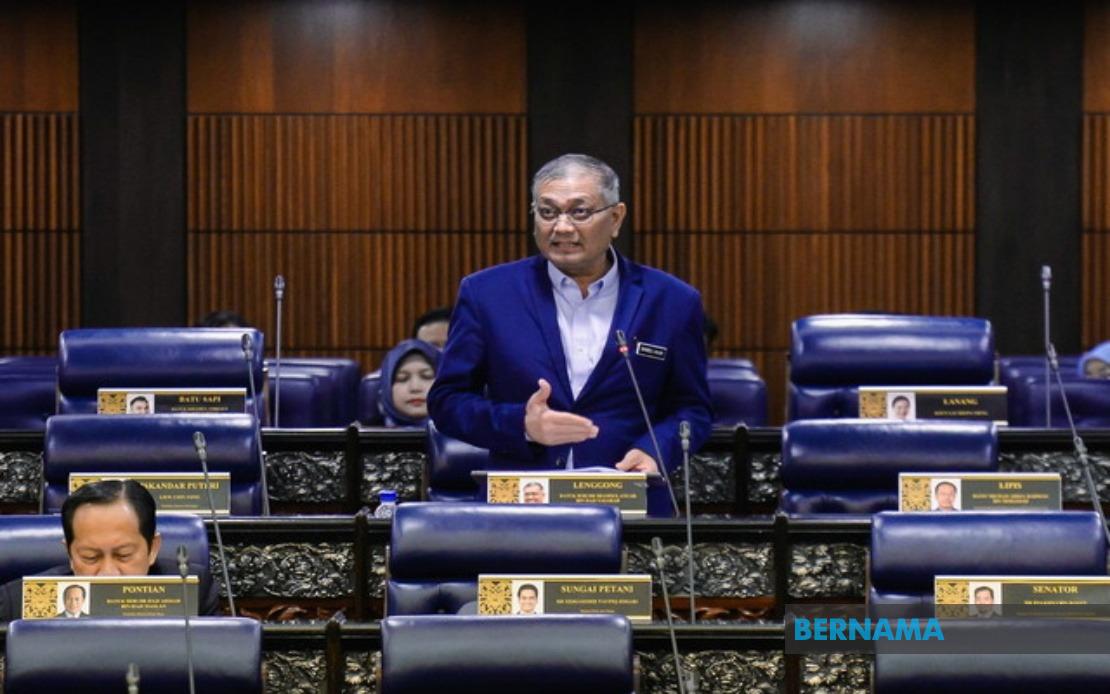
The Home Ministry has moved to clarify the purpose and scope of extra drills and field duties within the Royal Malaysia Police, emphasising that these measures constitute a legitimate disciplinary tool rather than a form of physical punishment designed to inflict harm on personnel. Deputy Minister Datuk Seri Dr Shamsul Anuar Nasarah made the distinction clear during parliamentary proceedings, responding to concerns raised about the practice in the wake of a policeman's death in Sepang during May.
The clarification stems from Paragraph 32 of the Inspector-General of Police's Standing Orders, specifically the PT KPN A110 provisions governing discipline. This framework applies exclusively to junior-ranking officers who have committed minor infractions, functioning as an administrative alternative to formal disciplinary proceedings that might otherwise result in more severe career consequences. The Home Ministry's position represents an effort to defend the practice against mounting public scrutiny and questions about whether such measures could constitute mistreatment of lower-ranking staff.
According to Shamsul Anuar, field duties serve multiple constructive purposes within the police force's institutional structure. These assignments are designed to instil discipline among personnel, foster character development, and encourage meaningful behavioural change when dealing with minor offences. The framing positions extra drills as corrective rather than punitive, aligning with contemporary approaches to workplace discipline that emphasise rehabilitation over retribution. However, this distinction remains contentious, particularly given the circumstances surrounding the May incident that prompted parliamentary scrutiny.
Following the death of the Sepang policeman, the Police Integrity and Standards Compliance Department issued new administrative guidance on 29 June to reinforce existing safeguards. The directive mandates the completion of health assessment forms before field duties commence, signalling an attempt to strengthen oversight mechanisms and prevent potential harm to personnel. This measure indicates acknowledgment within the police hierarchy that enhanced procedural protections were necessary, even if the ministry maintains that extra drills themselves remain appropriate disciplinary instruments.
Existing regulations governing field duties impose clear temporal and supervisory constraints. These assignments cannot exceed four hours in any single day and must not be imposed for more than five consecutive days, establishing outer boundaries intended to prevent excessive or unreasonable burdens on personnel. The supervising officer bears specific responsibility for ensuring that duties proceed prudently, under controlled conditions, and with due consideration for the assigned personnel's physical fitness, medical status, and environmental factors that might compromise their wellbeing and safety.
When confronted with allegations that extra drills disproportionately affect lower-ranking officers, the deputy minister acknowledged the structural reality of the system whilst rejecting implications of systemic favouritism. He explained that Paragraph 32 was intentionally designed for junior police officers as an alternative to more formal and potentially career-damaging disciplinary mechanisms. Simultaneously, he contended that senior officers operate under different regulatory frameworks appropriate to their service categories, thus precluding direct comparison of disciplinary approaches across ranks. This explanation effectively sidesteps whether the concentration of such measures among lower-ranking personnel might itself constitute structural inequality within the force.
Concerns regarding potential bullying and ragging within the police hierarchy prompted additional parliamentary questions, reflecting broader unease about whether disciplinary measures could be administered abusively. The deputy minister responded by emphasising that every disciplinary action operates within a formal process subject to organisational controls, preventing arbitrary imposition by individual superior officers. Nevertheless, this assurance depends entirely on the rigour of oversight mechanisms and the commitment of commanding officers to adhere to procedural safeguards—factors that remain difficult to verify from outside the force's internal operations.
The incident in Sepang highlighted vulnerabilities in the existing system and exposed the potential for field duties to escalate beyond their intended disciplinary purpose into genuinely dangerous situations. While the ministry has implemented additional procedural safeguards through the health assessment requirement, the fundamental question of whether such measures should apply to junior officers remains unresolved. Malaysian police leadership appears committed to retaining extra drills as a disciplinary option whilst attempting to address legitimate safety concerns through enhanced administrative oversight.
For Malaysian readers and broader public observers, this parliamentary exchange illustrates the ongoing tension between institutional authority and personnel welfare within the police force. The Home Ministry's emphasis on procedural protections and regulatory limits suggests recognition that public confidence in police discipline requires demonstrable safeguards. Whether these measures sufficiently prevent recurrence of incidents like the May death in Sepang will likely determine whether political and public pressure builds for more fundamental reforms to how junior police officers are disciplined, potentially moving towards systems aligned with international standards for workplace conduct and personnel protection.

