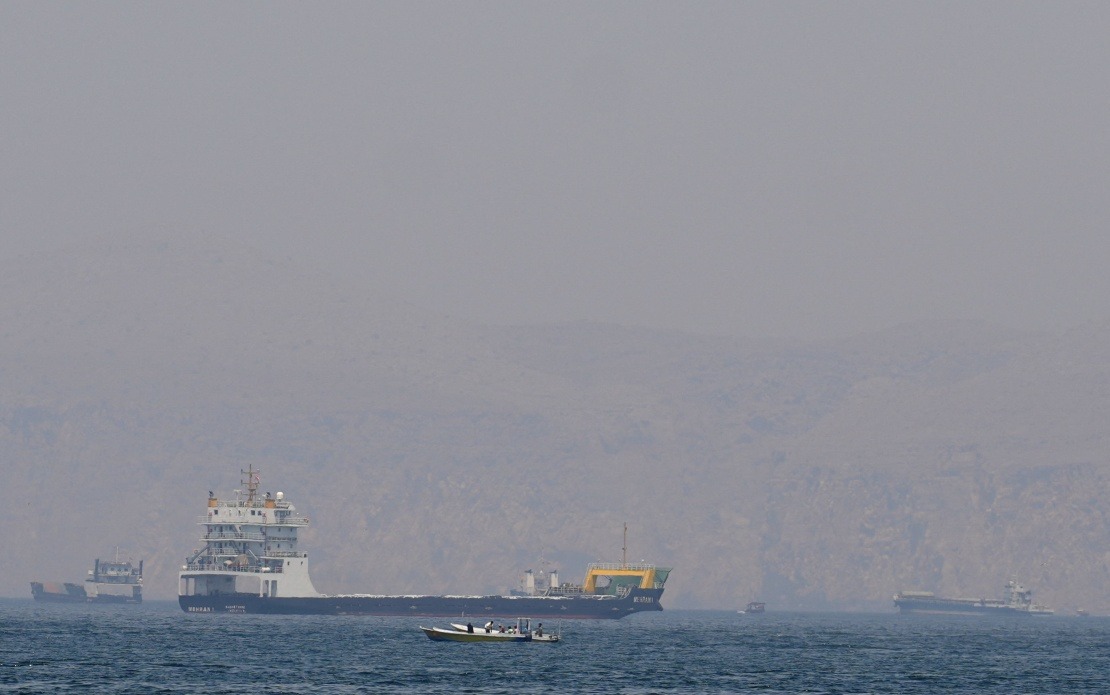
The European Union and the Gulf Cooperation Council have delivered a forceful rebuttal to any attempts by states to assert control over the Strait of Hormuz, declaring such claims fundamentally at odds with international maritime law. Following a high-level security forum in Brussels on July 13, the two regional blocs issued a unified position rejecting what they describe as unlawful assertions of sovereignty over one of the world's most economically vital waterways. The statement underscores growing international concern about the militarization of Middle Eastern shipping lanes and the accumulating risks to global commerce and seafarer safety.
At the heart of the EU and GCC's statement lies an unambiguous legal position anchored in established international convention. The two blocs emphasize that under the UN Convention on the Law of the Sea, the right of passage through international straits belongs to all nations without exception or condition. No individual state, they argue, possesses the authority to suspend passage, obstruct transit, or demand authorization from vessels exercising this fundamental right. This legal framework represents a cornerstone of contemporary maritime governance, ensuring that trade routes remain accessible to all nations regardless of their political relationships with coastal states.
The forum, convened under the joint leadership of EU foreign policy chief Kaja Kallas and Bahraini Foreign Minister Abdullatif bin Rashid Al-Zayani—who chairs the GCC Ministerial Council—provided the formal diplomatic platform for this coordinated regional stance. The selection of these particular figures highlights the importance both the EU and Gulf states place on maintaining unified messaging regarding maritime security. Bahrain's prominent role is particularly significant given its geographical proximity to Iran and its experience with regional tensions, suggesting that smaller Gulf nations feel emboldened by European backing in asserting their position on freedom of navigation.
The statement carries particular weight in context of escalating Iranian actions against commercial shipping in the strait. The two blocs condemn in the strongest possible terms what they characterize as Iranian attacks on merchant vessels transiting the waterway, as well as assaults on the sovereign territory of multiple regional countries. Such incidents, according to the joint declaration, have endangered civilian lives, placed seafarers at serious risk, and violated both international law and UN Security Council Resolution 2817. The specificity of this condemnation signals that the EU and GCC view Iranian conduct as a deliberate pattern rather than isolated provocations.
The Strait of Hormuz represents far more than a geographical feature; it constitutes a critical artery through which roughly one-fifth of global maritime trade flows. For Malaysia and other Southeast Asian nations, disruptions to shipping through this waterway carry direct economic consequences. Malaysian exporters and importers depend on predictable, unobstructed passage through the strait to access markets and secure supplies. Any escalation in regional tensions that threatens maritime safety therefore carries implications for Malaysian business and trade relationships that extend well beyond the Middle East itself.
The joint call for Iran to cease all attacks and interference with navigation, and to maintain the strait's openness without transit fees or service charges, represents the diplomatic community's attempt to establish clear red lines. By invoking both the concept of restraint and the principle that compromising one state's security concerns all parties dependent on the waterway, the EU and GCC seek to create a collective security understanding that transcends bilateral disputes. This framework attempts to position maritime freedom as a shared interest transcending sectarian or political divisions.
Yet the inclusion of language reaffirming commitment to dialogue and diplomacy suggests recognition among both the EU and GCC that military escalation alone cannot resolve underlying grievances. The mention of a Pakistan-brokered memorandum of understanding signed in June, intended to halt ongoing conflict and establish a path toward lasting peace, indicates international actors recognize that sustainable solutions require negotiated settlement rather than continued military posturing. The failure of this agreement to prevent subsequent escalation highlights the fragility of diplomatic frameworks in an environment of high mistrust and competing regional ambitions.
The formal expression of full solidarity with affected countries and seafarers of all nationalities represents more than symbolic gesture. By explicitly acknowledging risks faced by international maritime workers regardless of their national origin, the statement universalizes the humanitarian dimension of the security crisis. This approach attempts to transcend geopolitical competition by appealing to shared human concerns, positioning freedom of navigation as fundamentally a matter of protecting lives rather than merely defending abstract legal principles.
The EU's prominent role in this statement reflects its growing strategic interest in Middle Eastern stability despite its geographical distance. European dependence on Gulf oil and gas, combined with EU interests in Asian markets accessed via the Strait of Hormuz, creates direct European stakes in maintaining maritime security. The Union's willingness to coordinate closely with Gulf states on this issue signals recognition that sustainable regional security requires external stakeholder engagement and international legal frameworks.
For Malaysia and the broader Southeast Asian region, this EU-GCC alignment carries implications extending beyond immediate maritime security concerns. As a nation substantially dependent on global trade and positioned along other critical shipping lanes, Malaysia has vested interest in upholding international maritime law and principles governing freedom of navigation. The precedent established through this statement regarding unlawful sovereignty claims and restrictions on international shipping applies equally to other regions and potential future disputes.
The persistent tensions between the United States and Iran referenced in the statement underscore the complexity facing international mediators. The escalating military dimension of their competition continues despite diplomatic initiatives, suggesting that until underlying strategic competition diminishes, risk of further incidents affecting merchant shipping remains elevated. The EU and GCC's emphasis on coordination and information-sharing represents a pragmatic response to this uncertainty, allowing affected parties to improve response capabilities even while broader political solutions remain elusive.
Moving forward, the effectiveness of this joint EU-GCC position will depend substantially on enforcement and follow-through. Statements of principle carry limited weight without demonstrated willingness to implement coordinated responses to future violations. The commitment to close coordination on safeguarding freedom of navigation and protecting shipping therefore represents the truly substantive commitment underlying this diplomatic declaration. How vigorously these pledges are implemented will determine whether the statement meaningfully alters Iranian calculations regarding continued maritime interference.

