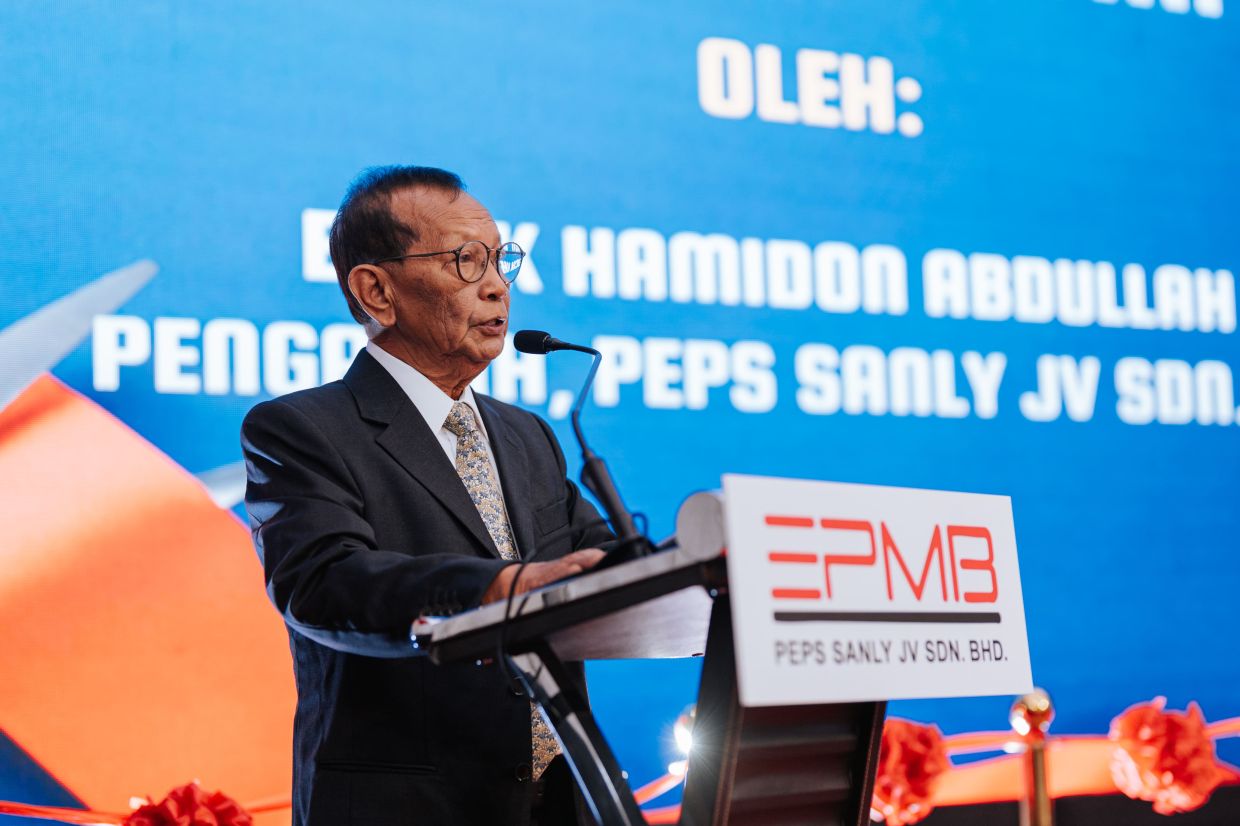
Electronics and Precision Manufacturing Berhad (EPMB) has inaugurated a strategically positioned manufacturing plant in Tanjong Malim as part of an expanding collaboration with Chinese automotive supplier Sanly Auto Parts Co Ltd. The facility, which began full operations in October 2025, represents a significant expansion of EPMB's existing production footprint and underscores the growing integration of international partnerships within Malaysia's automotive supply ecosystem.
The 9,909 square metre plant operates under Peps Sanly JV Sdn Bhd, the formal joint venture entity established between EPMB and Sanly China following their partnership agreement finalised in February 2025. Located within the Automotive High Technology Valley (AHTV) industrial cluster in Perak, the facility taps into a purpose-built ecosystem designed to support automotive manufacturing and component production. The strategic positioning within AHTV provides the joint venture access to established automotive infrastructure, skilled workforce pools, and logistics networks that streamline supply chain operations for carmakers headquartered in the Klang Valley.
Capacity projections underscore the venture's ambitions. The facility can produce 40,000 complete chassis component sets monthly, translating to an annual output capacity of 480,000 units. This scale positions the plant as a significant contributor to Proton's domestic supply requirements and demonstrates confidence in sustained demand from the national carmaker. For context, this production volume indicates EPMB and Sanly are targeting deep integration into Proton's manufacturing operations rather than serving as a peripheral supplier.
The component portfolio encompasses critical structural elements essential to vehicle architecture and performance. Front corner modules form the primary load-bearing sections of modern vehicle platforms. Subframe modules provide secondary structural support for suspension and powertrain mounting. Rear axle module assemblies integrate suspension geometry and load distribution for rear wheels. These components are not commodity items but precision-engineered assemblies requiring tight tolerances and rigorous quality control. The complexity of these products explains why EPMB sought technological partnership with an established Chinese chassis systems manufacturer.
Proton's vehicle lineup forms the immediate customer base. The joint venture will supply components for established models including the AMA01 platform-badged Saga, the Persona sedan, and the Iriz hatchback. Critically, the facility also begins producing for Proton's forthcoming AMA02 and AMA05 platforms, indicating EPMB secured design and supply contracts for new vehicle development cycles. This forward-looking arrangement provides revenue visibility and demonstrates Proton's confidence in EPMB's capabilities for next-generation vehicles.
The partnership reflects deliberate strategy to access advanced manufacturing methodologies. Hamidon Abdullah, EPMB's executive chairman, articulated the rationale: Sanly China brings established expertise spanning metalworking processes, assembly operations, and automotive chassis system engineering honed through relationships with Geely Automobile Holdings and other Chinese original equipment manufacturers. These connections provide EPMB indirect exposure to manufacturing best practices and cost optimisation techniques developed within China's highly competitive automotive supply sector. Rather than developing indigenous capabilities through lengthy experimentation, EPMB leverages existing knowledge transfer mechanisms embedded within the joint venture structure.
Cost competitiveness emerged as a secondary but significant motivation. Chinese automotive suppliers operate within lower cost structures compared to traditional Malaysian and regional suppliers, partly reflecting labour economics, overhead structures, and manufacturing scale advantages. By structuring the Tanjong Malim operation as a joint venture incorporating Sanly's operational expertise and process knowledge, EPMB can potentially offer Proton improved pricing on critical components whilst maintaining acceptable profit margins. This becomes strategically important as Proton pursues regional export expansion where price competitiveness directly influences market penetration.
The timing aligns with Proton's broader strategic objectives. The national carmaker is simultaneously pursuing regional growth ambitions across Southeast Asia and executing an electric vehicle transition roadmap incorporating new battery-electric and plug-in hybrid models. These dual initiatives require substantial supply chain investment and component manufacturing capacity. A new 480,000-unit annual chassis component capacity represents material support for both conventional petrol vehicle production and future EV platform manufacturing. Structural components like subframes and axle modules are largely platform-agnostic, meaning existing tooling and processes can support both ICE and EV architectures.
EPMB's relationship with Proton extends across four decades, establishing deep institutional knowledge and mutual understanding. This longevity matters within automotive supply chains where quality, reliability, and responsiveness determine supplier selection. The Tanjong Malim facility represents an evolution rather than a new beginning, leveraging existing relationships to deepen integration. For Proton, consolidating critical component sourcing with established, capable suppliers reduces supply chain risk compared to introducing entirely new suppliers at manufacturing scale.
The facility opening carries implications for Malaysia's broader automotive ecosystem. The Automotive High Technology Valley concept aims to concentrate manufacturing capability, supporting infrastructure, and skilled workforce availability within identifiable geographic clusters. EPMB's investment validates this industrial policy approach and may encourage additional component manufacturers to establish or expand operations within similar clusters. The visible success of foreign partnerships in upgrading local manufacturing capabilities potentially demonstrates pathways for other Malaysian suppliers seeking technology transfer and cost optimisation opportunities.
Looking forward, the joint venture structure creates optionality for both parties. If the Tanjong Malim operation succeeds in delivering quality components at competitive costs, EPMB and Sanly may expand the partnership into additional component categories or establish facilities supporting other Malaysian carmakers. Conversely, the arrangement allows EPMB to test Sanly's operational reliability and cultural compatibility within a controlled engagement before potentially deepening integration. For Proton, the facility represents tangible supply chain strengthening at a critical juncture as the company balances growth ambitions against manufacturing cost pressures that will intensify as regional competition increases.
The facility ultimately exemplifies how Malaysian automotive suppliers navigate technological advancement and cost competitiveness through strategic international partnerships. Rather than attempting to develop advanced manufacturing capabilities independently, EPMB identified a complementary Chinese partner possessing requisite expertise and cost structures, structuring a joint venture that leverages strengths whilst maintaining Malaysian operational presence and control. As Proton executes its regional and electrification strategies, this type of supply chain investment provides necessary manufacturing foundation.

