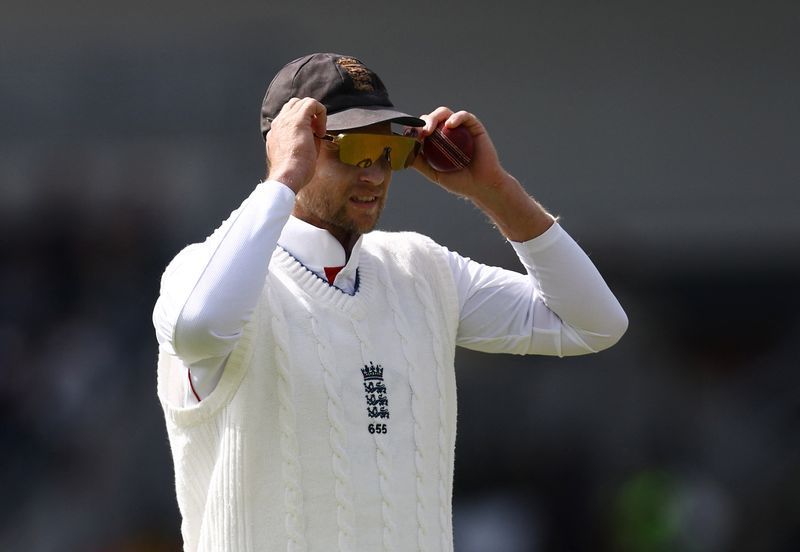
England's cricket captain Joe Root has voiced considerable frustration following another off-field incident involving a national team player, revealing the depth of concern within the dressing room about a pattern of behaviour that threatens to undermine the squad's reputation. Speaking to media on Tuesday, Root made clear his displeasure with fast bowler Brydon Carse's conduct at a nightclub, stating bluntly that he was "hacked off" and disappointed by what has become a recurring source of distraction for the team.
Carse, 31, was captured in social media videos appearing to be in police handcuffs during an interaction with officers following the nightclub incident. The England and Wales Cricket Board responded swiftly by omitting him from the second test against Pakistan, which begins on Thursday at Lord's, with Sonny Baker drafted into the squad as his replacement. The decision underscores the governing body's determination to impose consequences for behavioural breaches, even at crucial moments in the international schedule.
The fast bowler's predicament represents the latest chapter in what has become an uncomfortable narrative surrounding England's players and their conduct away from the playing field. In recent months, batsmen Harry Brook and Ben Duckett, along with former captain Ben Stokes and pace bowler Gus Atkinson, have all been implicated in separate nightclub-related incidents. This accumulation of incidents has prompted public discussion about whether a problematic drinking culture has taken root within the England squad, a suggestion that threatens to overshadow genuine sporting achievements.
Root's frustration, however, extends beyond irritation at individual lapses in judgment. The captain emphasised that what troubles him most is not any single isolated incident but rather the repetitive nature of these mistakes and their corrosive effect on the team's brand and public standing. By continuing to make what Root characterised as "stupid mistakes away from the game," the players are inadvertently creating a narrative that detracts from their on-field performances and accomplishments, he suggested.
England has demonstrated strong form on the cricket field, having already defeated Pakistan by an innings and 103 runs in the opening test. Yet this sporting success risks being overshadowed by persistent questions about player discipline and professional standards. Root appears acutely aware that cultivating a world-class cricket programme requires excellence not only in technical and tactical domains but also in the values and conduct that define the team's culture.
The captain revealed that he and his teammates have engaged in serious conversations about the standards expected of England players and the broader significance of representing the nation at the highest level of international sport. These discussions have apparently established clear expectations regarding how squad members should conduct themselves both on and off the field. Root indicated that the players fully comprehend what is at stake and what behaviour the team requires moving forward.
Regarding Carse specifically, Root explained that his initial concern was for the player's wellbeing as an individual rather than focusing on the disciplinary implications. Root observed that Carse is genuinely remorseful about his actions and acutely aware of how his conduct has reflected upon himself and the team. The captain expressed confidence that Carse will articulate his contrition and commitment to improved behaviour when circumstances permit his return to the squad.
From a legal and regulatory standpoint, Carse's situation has proceeded without criminal charges being filed, following his brief detention and subsequent release by police. However, the matter does not end there. The independent Cricket Regulator, which operates separately from the ECB, has initiated an investigation into whether Carse's actions constitute a breach of the ECB's code of conduct. This parallel process will determine whether additional sanctions beyond his test match exclusion are warranted.
The broader context here matters considerably for the English game and its reputation internationally. Cricket, particularly at the test level, carries expectations about player conduct and professional standards that extend well beyond performance metrics. When repeated incidents occur within a national squad, it raises questions not only about individual maturity but also about the culture being fostered within the programme and the effectiveness of leadership in maintaining discipline and professional standards.
For Malaysian and Southeast Asian cricket observers, this situation reflects a challenge that transcends England. As cricket continues to expand and professionalise across the region, questions about player conduct, team culture, and the balance between competitive excellence and behavioural standards become increasingly salient. How major cricket nations manage these issues sets precedents and establishes expectations for the sport's development globally.
Root's explicit acknowledgment that cultural transformation "will not happen overnight" suggests he recognises the gravity of the challenge ahead. Building pride in representation and establishing standards that players genuinely internalise requires sustained effort, consistent messaging, and potentially structural changes to how the team operates. The upcoming tests against Pakistan, with matches at Lord's and subsequently in Birmingham, will take on added significance as opportunities for the squad to demonstrate that off-field conduct has genuinely improved.
Ultimately, Root's frustration reflects the reality that even as England's cricket team performs competitively on the field, the distraction created by repeated off-field incidents threatens to undermine the achievements and unity that winning cricket requires. Whether the current moment catalyses the genuine cultural shift Root seeks remains to be seen.

