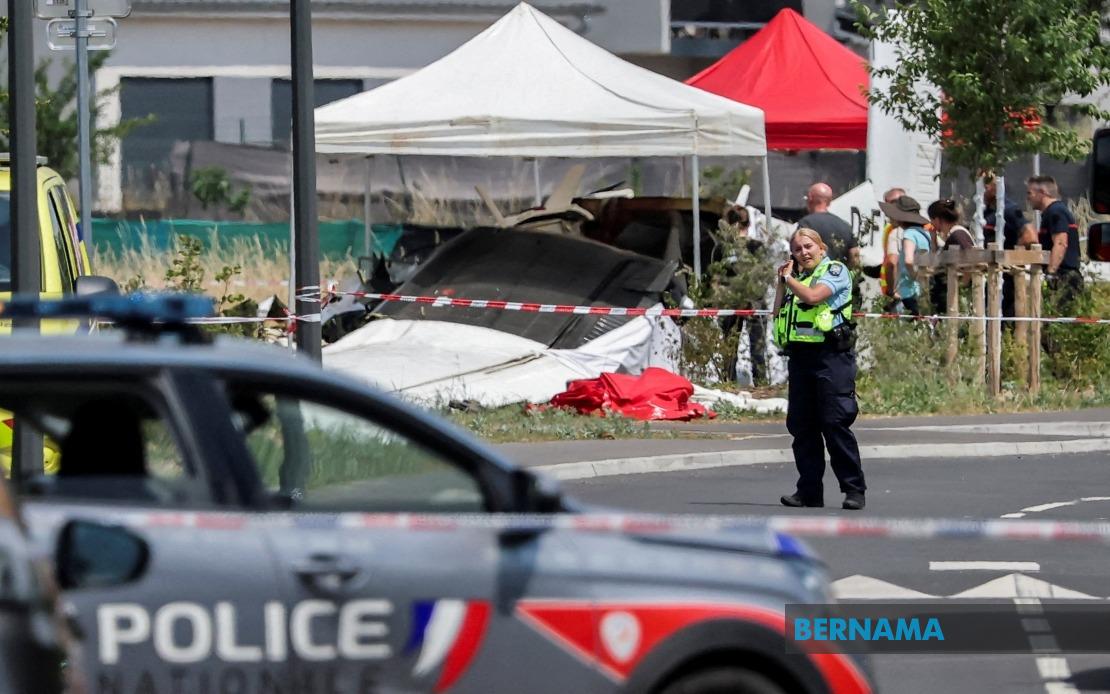
A civilian aircraft carrying eleven people plunged to the ground near Nancy in France's eastern Meurthe-et-Moselle region on Sunday, claiming the lives of everyone aboard in a tragedy that has shocked the local community. The plane came down in the town of Tomblaine shortly after departing from Nancy-Essey Airport, according to statements from regional authorities and the French broadcaster BFM TV.
The passenger manifest reveals a mix of recreational adventurers and professional instructors. Among the dead were two distinct groups of five parachutists engaged in a skydiving expedition, along with the aircraft's pilot. The composition of those on board suggests this was an organized leisure activity rather than a commercial flight, adding another layer of tragedy to what was meant to be an exhilarating recreational outing.
According to Thierry Pechey, who heads the Meurthe-et-Moselle branch of the Order of Independent Nurses, several of the victims were independent nurses participating in what he characterized as an initiation ceremony. This detail indicates the passengers included members of a professional nursing association using the skydiving session as part of a team-building or membership initiation ritual. The presence of experienced skydiving instructors alongside the participating nurses underscores the organized nature of the excursion and raises questions about safety protocols and how such tragic incidents occur despite professional involvement.
The crash site quickly became the focal point of an extensive emergency response. Prefect Yves Seguy of Meurthe-et-Moselle activated the departmental operational centre to marshal resources and coordinate response efforts in real time, demonstrating the scale of the incident and the level of official concern. Local authorities issued public advisories asking residents to stay away from Rue Salvador Allende in Tomblaine, where the wreckage lay, to permit emergency personnel and law enforcement investigators unrestricted access to examine the scene and begin determining what caused the catastrophic failure.
France's Interior Minister Laurent Nunez announced plans to visit the crash site himself on Sunday, signaling the national significance attributed to the disaster. Such high-level ministerial engagement typically occurs when an aviation incident raises broader questions about aviation safety standards or sparks public concern requiring senior political attention and reassurance. The minister's presence would allow for direct coordination with local authorities and a firsthand assessment of the emergency response operation.
The incident underscores the inherent risks associated with recreational aviation activities, particularly skydiving operations that involve launching multiple participants from a single aircraft. While skydiving has become a relatively routine recreational pursuit in developed nations, accidents remain potentially catastrophic when they do occur, given the fundamental dangers of aviation and the difficulty of responding to emergencies at altitude. For Malaysia's expatriate communities and adventure tourism sector, this tragedy serves as a sobering reminder of the importance of thorough safety vetting for aviation operators and the comprehensive insurance and liability frameworks that protect participants in such activities.
The mix of professional instructors and amateur enthusiasts aboard also raises questions about how operators manage groups with varying experience levels and how communication protocols ensure everyone understands emergency procedures. Investigations into the cause—whether mechanical failure, pilot error, weather conditions, or other factors contributed—will be critical for understanding how such incidents might be prevented in future operations across Europe and beyond.
For the French aviation authority and European regulators, the crash will trigger comprehensive reviews of the aircraft's maintenance records, pilot qualifications, weather conditions at the time, and operational procedures. The identity and age of the aircraft, the specific model, and its recent service history will all come under scrutiny as investigators seek to reconstruct what happened during those critical moments after takeoff when something went fundamentally wrong.
The tragedy resonates particularly with leisure aviators and adventurers throughout Southeast Asia, where skydiving and recreational flights operate in similarly evolving regulatory environments. Malaysian operators and participants in extreme sports activities should note how international accidents become case studies that shape safety standards globally. Insurance underwriters, tour operators, and participants across the region will likely face renewed scrutiny regarding safety certifications and operational standards.
Beyond the immediate investigation, this incident will contribute to ongoing debates within the European Union and among international aviation bodies about how to balance accessibility to recreational aviation experiences with rigorous safety requirements. The loss of eleven lives in a single moment represents not only a profound tragedy for families and colleagues but also a data point in the broader conversation about aviation safety that affects operators, insurers, and regulators across continents, including Southeast Asia's growing adventure tourism market.

