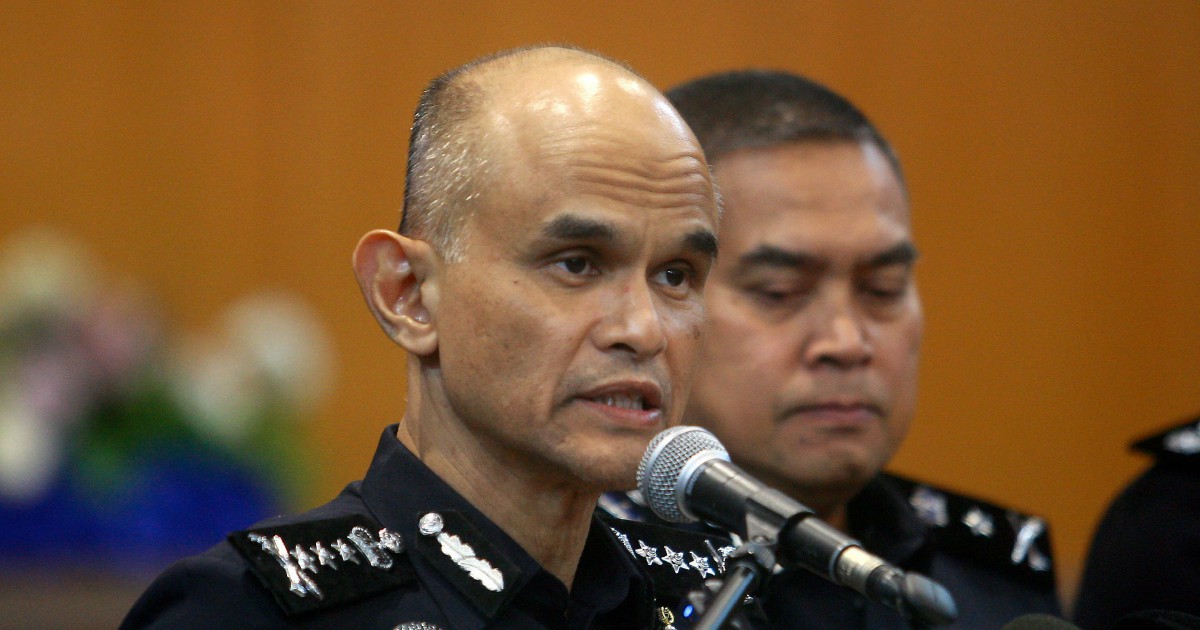
Authorities in Selangor have made significant headway in investigating a deadly gang altercation that erupted in the Taman Alam Megah neighbourhood of Shah Alam last month. The police operation has resulted in the arrest of eleven individuals believed to be affiliated with two competing secret society factions, marking a decisive response to the escalating violence that has plagued the residential area and surrounding communities.
The fatal confrontation occurred on August 25, when members of rival organised crime groups clashed in what investigators characterise as a territorial dispute. The violence resulted in at least one death, though the full scale of casualties and injuries remains under official review. Shah Alam, as the capital of Selangor and a densely populated urban centre, has long grappled with periodic outbreaks of organised crime, and this incident represents a particularly brazen display of gang activity in a residential locality.
The arrests target suspected members from both secret society organisations involved in the melee, suggesting that police have adopted a comprehensive enforcement strategy rather than pursuing only one faction. This balanced approach indicates an attempt to disrupt the underlying conflict between the groups and prevent potential retaliation cycles. Investigators are examining the circumstances that precipitated the confrontation, including territorial claims, business disputes, or personal rivalries that may have triggered the violence.
The involvement of secret societies—often referred to locally as triad organisations or taiko syndicates—underscores a persistent challenge facing Malaysian law enforcement. These clandestine networks operate across multiple jurisdictions and communities, engaging in diverse criminal enterprises ranging from protection rackets and illegal gambling to drug trafficking and unlicensed lending. The concentration of such activity in urban sprawls like Shah Alam reflects broader trends of criminal organisation adapting to metropolitan expansion and rising economic pressures in suburban areas.
Investigations into such group violence typically prove complex, requiring witness cooperation that may be difficult to secure given community fears of retaliation. The eleven suspects now in custody will face interrogation aimed at establishing individual culpability, understanding the organisational structure of the groups involved, and identifying any remaining individuals who participated in the August 25 clash but evaded immediate arrest.
The incident carries implications beyond the immediate criminal proceedings. Fatal gang violence in residential neighbourhoods generates significant public concern about personal safety and community security, particularly affecting families and young people in the area. Schools, commercial establishments, and community centres may experience disruption as residents become wary of travelling during peak hours or venturing into affected zones.
Police investigations will likely explore whether the groups involved have historical grievances dating back months or years, or whether the August 25 clash represents an escalation of more recent tensions. Understanding these dynamics helps authorities predict potential flashpoints and deploy preventive resources effectively. The territorial nature of the dispute also suggests that both factions maintain significant presence and influence in the immediate vicinity, requiring sustained police attention and community engagement.
The arrests demonstrate the police's commitment to addressing organised crime through active investigation and prosecution, yet they simultaneously highlight the challenges inherent in disrupting deeply entrenched criminal networks. Each arrest may deter some potential gang activity, but lasting peace requires addressing underlying socioeconomic factors that drive recruitment into secret societies, particularly among young males facing limited legitimate economic opportunities.
The Shah Alam incident occurs within a broader context of gang-related violence across Malaysia's urban centres, where competing factions vie for control of lucrative territories and criminal markets. Penang, Kuala Lumpur, and Johor Bahru have similarly experienced periodic flare-ups of organised violence, prompting authorities to implement special task forces and enhanced intelligence operations targeting high-risk areas. The coordination between different police units and the rapid response to the Taman Alam Megah incident suggests strengthened operational capacity within the Selangor contingent.
Community leaders and neighbourhood associations have been encouraged to report suspicious activities and provide information that may assist investigations, though many residents remain reluctant to become involved due to legitimate safety concerns. Building public cooperation while protecting informants represents an ongoing challenge for law enforcement seeking to dismantle criminal networks from within.
The detention of the eleven suspects marks the initial phase of a protracted legal process. Prosecutors will determine appropriate charges ranging from rioting and causing grievous hurt to murder, depending on individual roles in the violence. The severity of charges will depend on forensic evidence, witness testimony, and investigative findings regarding who directly caused the fatal injury.
Looking forward, the police will likely intensify patrols throughout Shah Alam and neighbouring districts to deter retaliatory violence and reassure residents of official presence and protection. Intelligence-gathering operations may expand to identify remaining associates of the arrested individuals and prevent potential recruitment of younger members seeking to avenge their detained members.

