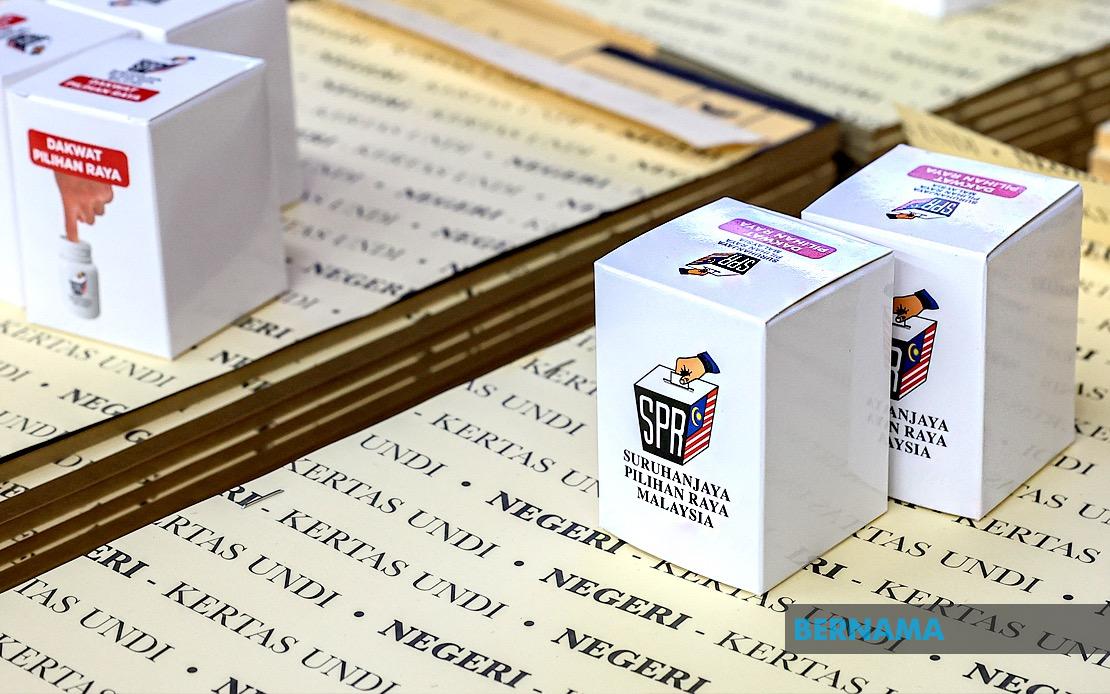
The Election Commission has launched a fresh appeal to voters who have changed residences to promptly update their voting addresses, underscoring how this administrative step underpins Malaysia's representative democracy. Speaking on national radio in Kuala Lumpur on July 8, EC deputy chairman Dr Azmi Sharom stressed that voters should cast their ballots in the constituencies where they actually reside, rather than maintaining registrations in distant hometowns.
Malaysia's political system operates on a constituency basis, meaning each State Assemblyman and Member of Parliament holds a mandate to represent the specific geographic communities they serve. This foundational principle requires that voters exercise their democratic choice in areas where they live and have a stake in local governance outcomes. Dr Azmi articulated the practical and philosophical reasoning behind the push: "Vote where we live. Not only is it more convenient, but our system of government is based on an ADUN or MP representing the residents of a particular area. If we live in that area, we should be the ones deciding who represents us, rather than voting in a constituency located hundreds of kilometres away."
The procedural pathway for updating voting addresses has been streamlined considerably. Voters must first ensure their identity card reflects their current address, a prerequisite that can now be completed online rather than through visits to government offices. The subsequent step of altering the electoral roll entry follows naturally from this identity documentation update. This digital accessibility represents a meaningful shift away from previous bureaucratic friction that discouraged citizens from making necessary changes.
Operational improvements to Malaysia's electoral management have accelerated the processing of address modifications. The Electoral Commission now refreshes the voter roll on a monthly cycle, a substantial improvement from the previous quarterly schedule. This accelerated timeline means that voters updating their details today can expect their changes to be reflected within weeks rather than months, reducing the window during which their registration may become outdated again. For Malaysians whose employment or personal circumstances frequently shift them between states, this modernisation carries practical significance.
Dr Azmi acknowledged a psychological barrier that complicates this administrative objective. Many Malaysians maintain deep emotional connections to their hometowns and ancestral regions, creating reluctance to sever formal political ties even after relocating for work or family reasons. Some voters view retaining their original constituency registration as preserving continuity with their roots. Nevertheless, the EC deputy chairman emphasised that nostalgic attachment cannot override the functional requirements of representative democracy. When voters cast ballots in constituencies they no longer inhabit, elected representatives receive distorted signals about which communities actually demand their attention and resources.
The timing of this appeal coincides with significant electoral activity across peninsular Malaysia. The Johor state election is scheduled for July 11, with the EC reporting that logistical preparations have reached an advanced stage, leaving only final coordination matters before polling day. Over 43,000 election personnel will be mobilised to conduct voting and counting across Johor's constituencies, reflecting the substantial administrative undertaking required for state-level balloting. The scale of this deployment underscores how seriously Malaysian authorities treat electoral integrity and operational efficiency.
Negeri Sembilan's state election remains at a different point in the electoral calendar. The nomination process has not yet commenced, and ballot papers have not entered production. This earlier stage suggests the Negeri Sembilan polls will occur at a later date, allowing more time for voter registration updates specific to that state's constituencies. The staggered electoral schedule across different states creates multiple opportunities for citizens to ensure their voting details are current before they head to polling stations.
The Election Commission expressed gratitude toward the thousands of election workers who facilitate Malaysia's democratic processes. Beyond the 43,000 personnel assigned to Johor, Negeri Sembilan will deploy over 15,000 election officials across its constituencies. These individuals work to ensure that voting occurs smoothly, securely, and fairly, from ballot distribution and voter verification through to counting and result certification. Their effort forms the operational backbone upon which democratic legitimacy rests.
The broader implications of this address-update initiative extend beyond mere administrative neatness. Malaysian constituencies vary substantially in demographic composition, economic conditions, and development priorities. A fishing-dependent coastal constituency has fundamentally different governance needs than an urban commercial district or an agricultural highland region. When voters are properly registered in their actual residences, elected representatives receive accurate information about where their constituents live and what issues matter most to them. This alignment strengthens accountability and ensures that campaign promises and legislative priorities reflect genuine constituent preferences rather than phantom populations in distant areas.
For Malaysian citizens planning moves in coming months, the message is clear: updating electoral registration should accompany other relocation procedures such as address changes with employers, financial institutions, and government agencies. The online system makes this adjustment accessible from anywhere, removing logistical excuses for delay. By ensuring that voting rolls accurately map actual populations, Malaysia strengthens the practical functionality of its constituency-based democratic framework, ensuring that representation genuinely serves the communities it claims to represent.

