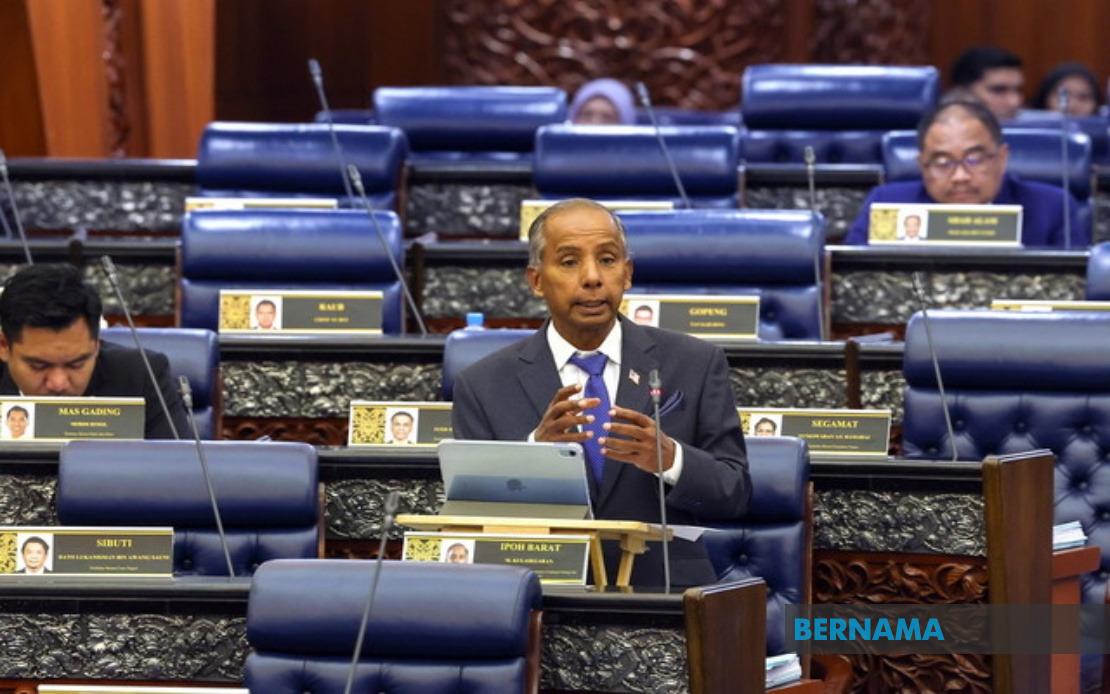
Malaysia's electoral authority is undertaking a comprehensive assessment of a proposal to introduce domestic postal voting for citizens throughout Peninsular Malaysia, Sabah and Sarawak. The Election Commission announced the initiative through M. Kulasegaran, the Deputy Minister in the Prime Minister's Department (Law and Institutional Reform), during parliamentary proceedings in Kuala Lumpur on July 14.
The examination represents a significant step toward modernising Malaysia's voting infrastructure and expanding accessibility for eligible voters who face practical obstacles to casting ballots at physical polling locations. Kulasegaran indicated that the implementation of any postal voting mechanism would require thorough preparation and broad-based engagement with all relevant parties before a determination could be reached. The scope of consultation spans political parties, state authorities, and other electoral stakeholders whose input would shape the framework and safeguards surrounding such a system.
Timing for the completion of this assessment has been outlined, with the Election Commission projecting that the study will reach its conclusion during 2025. This timeline provides sufficient opportunity for detailed research into how postal voting could be effectively administered across Malaysia's diverse geography and population distribution. The investigation appears to have been prompted by a question from Isnaraissah Munirah Majilis, the WARISAN Member of Parliament representing Kota Belud, who emphasised the urgency of modernising electoral processes to serve voters more effectively.
Beyond the postal voting examination, the government has signalled receptiveness to reconsidering the institutional positioning of the Election Commission itself. Kulasegaran stated that the administration is willing to evaluate a proposal that would transfer the Commission's oversight from the Prime Minister's Department to Parliament, bringing it under direct legislative authority rather than executive control. This potential structural reform addresses longstanding concerns from observers who contend that placing the electoral authority under parliamentary purview would enhance its independence and strengthen public confidence in the neutrality of Malaysia's voting systems.
Kulasegaran noted that this suggestion merits serious consideration and indicated the government would present the proposal to appropriate governmental bodies for decision-making. Such a reorganisation would represent a fundamental change to how Malaysia's electoral machinery operates, potentially insulating the Commission from executive influence and aligning the country's institutional arrangements with international best practices regarding electoral administration independence.
In addressing separate parliamentary matters related to electoral conduct, Kulasegaran reported on enforcement of restrictions concerning mobile phone usage within polling stations. Questions had been raised about whether existing penalties deterred unauthorised phone use during voting, which could compromise ballot secrecy or facilitate illicit recording of voting procedures. The Election Commission maintains that present oversight mechanisms provide adequate protection and sees no necessity to modify existing procedures or to establish mobile phone misuse as a distinct statutory offence under the Election Offences Act 1954.
The Commission's position reflects a confidence that current regulatory frameworks adequately address concerns about polling station conduct without requiring legislative amendments. Nevertheless, this stance may invite continued scrutiny from electoral reform advocates who argue that explicit penalties and clear enforcement protocols would strengthen compliance among voters and polling officials.
The examination of postal voting emerges within a broader global context where numerous democracies have expanded mail-in voting options, particularly following pandemic-related disruptions to conventional polling. For Malaysia, introducing such mechanisms would require addressing specific administrative challenges, including verification protocols, security measures to prevent fraud, and logistical arrangements across geographically dispersed regions. The study should consider lessons from postal voting implementations in other Commonwealth nations with comparable institutional frameworks.
The proposal also carries implications for voter participation rates, potentially enabling residents in rural or remote areas, shift workers, overseas Malaysians, elderly citizens, and persons with disabilities to participate more readily in elections. However, implementation would necessitate careful attention to authentication procedures, mail delivery reliability, and public education regarding new voting protocols to ensure smooth transition and public confidence in results.
For Malaysian political observers, the government's willingness to examine both postal voting expansion and the Commission's institutional restructuring suggests openness to incremental electoral modernisation, though implementation will depend on whether consensus emerges among competing stakeholder interests. Political parties will scrutinise proposals carefully, as modifications to voting mechanisms can affect turnout patterns and campaign strategies.
The 2025 completion timeline for the postal voting study provides a window for stakeholders to present evidence and arguments regarding feasibility, costs, and implications. This consultation phase will be crucial in determining whether Malaysia ultimately proceeds with implementation and how comprehensively postal voting might be adopted. The government's receptiveness to considering parliamentary oversight of the Election Commission simultaneously suggests a potential shift toward strengthening electoral institutional independence, though both proposals require further official progression before becoming policy.

