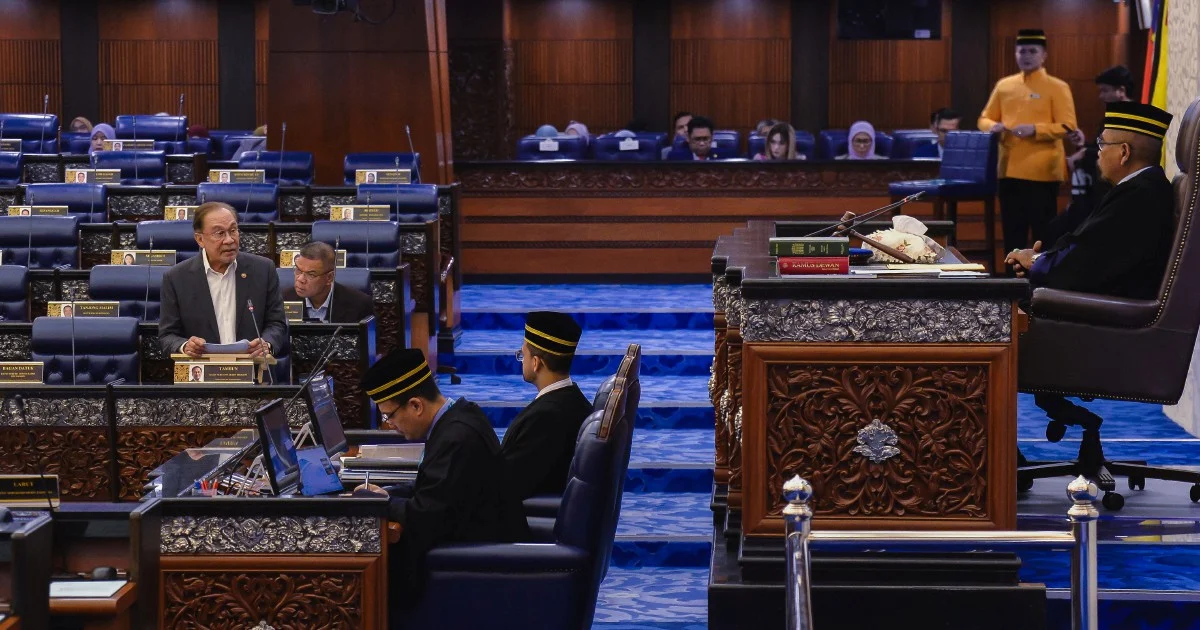
The Election Commission has been granted explicit authority to respond when a caretaker government overreaches its mandate by announcing policies or making decisions that carry significant financial consequences, according to Prime Minister Datuk Seri Anwar Ibrahim. This clarification addresses long-standing concerns about the scope and limitations of power during Malaysia's election periods, when governments enter a transitional phase before election results and formal transfers of authority take place.
The distinction between allowable and prohibited caretaker government actions has emerged as increasingly important in Malaysian electoral cycles. During the interregnum between election day and the swearing-in of a new administration, caretaker governments are expected to maintain the status quo and refrain from major policy initiatives that could influence election outcomes or lock in decisions for successors. The Election Commission's authority to intervene on financial matters represents a strengthened safeguard against misuse of this caretaker period.
Caution regarding caretaker governments reflects Malaysia's commitment to ensuring elections remain fair and uncorrupted processes. When administrations in their final days before dissolution announcement make sweeping financial commitments or policy pronouncements, they arguably circumvent the electoral mandate and voter choice. Financial decisions particularly warrant scrutiny because they commit public resources in ways that extend well beyond the caretaker period itself, potentially constraining incoming governments regardless of their electoral mandate or policy preferences.
The Prime Minister's statement appears responsive to previous instances where caretaker governments in Malaysia or comparable democracies have pushed boundaries by approving contracts, announcing personnel changes, or committing to spending that critics argue violates the spirit of electoral guidelines. Without clear enforcement mechanisms, caretaker governments might be tempted to utilise their remaining authority to entrench policies or spending commitments, thereby overriding electoral outcomes.
Malaysia's experience across multiple electoral cycles has illuminated the need for clearer rules and enforcement. Different administrations have interpreted caretaker guidelines differently, creating uncertainty about what constitutes permissible administrative action versus prohibited policy overreach. By confirming the Election Commission's enforcement role, the government establishes a clearer expectation that such breaches will not go unaddressed.
The Election Commission itself benefits from this clarification of its mandate. As an independent constitutional body responsible for ensuring electoral integrity, the commission gains explicit backing to investigate and take action when caretaker governments breach financial guidelines. This authority strengthens the institution's ability to maintain public confidence in the electoral process, demonstrating that rules apply equally to those temporarily holding power as to other participants in elections.
For voters and civil society organisations across Malaysia, this confirmation provides reassurance that caretaker periods will face appropriate oversight. Malaysians have expressed concerns in past elections about whether electoral guidelines possessed teeth, or whether caretaker governments could simply ignore restrictions with impunity. The Election Commission's explicit authority to act particularly addresses anxiety about financial decisions that benefit certain constituencies or political allies before ballots are cast.
The implications for future Malaysian elections are substantial. Caretaker governments now understand that decisions with financial consequences face potential challenge through the electoral authority. This understanding should discourage hasty approvals, contracts, or spending announcements during the sensitive pre-election period. The psychological effect of clear enforcement authority often proves as important as actual enforcement, as administrations become conscious of boundaries.
Regionally, Malaysia's approach to caretaker governance reflects broader Southeast Asian concerns about electoral integrity and democratic accountability. Neighbouring countries including Indonesia and Thailand have grappled with similar questions about caretaker government authority and appropriate limits. Malaysia's clarification of the Election Commission's role in scrutinising financially consequential decisions provides a framework that other democracies in the region might consider, whether adopting or adapting it to local circumstances.
The Election Commission's enforcement authority extends beyond individual decisions to establishing norms about caretaker conduct. When organisations possess and utilise enforcement powers, they shape institutional culture and expectations. Political actors and civil servants grow accustomed to compliance as routine rather than optional, thereby strengthening institutional robustness without necessarily requiring frequent intervention.
Moving forward, clarity about caretaker government limits protects electoral credibility by ensuring that election outcomes reflect voter choices rather than pre-election policy manoeuvres by departing administrations. The Prime Minister's confirmation that the Election Commission will act on breaches signals commitment to this principle across government, suggesting institutional alignment around electoral safeguards that Malaysian democracy increasingly demands.

