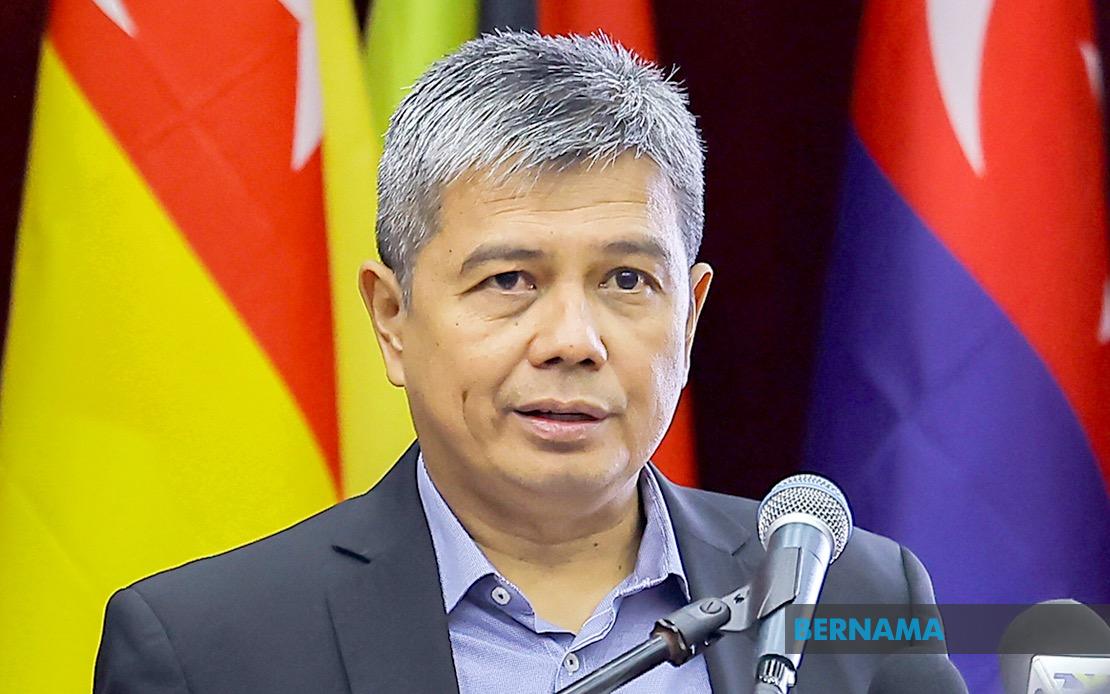
As Malaysia's 16th Johor State Election enters its final hours, the Election Commission has issued a firm directive to all participating parties to suspend all campaigning once the official campaign period expires at 11.59 pm tonight. The deadline marks a crucial transition point before voters head to polling stations tomorrow, with election officials now shifting focus from campaign oversight to ensuring voting procedures run smoothly across the state.
Datak Khairul Shahril Idrus, the EC secretary, emphasised the comprehensive nature of the campaigning ban in a statement issued from Johor Bahru today. The prohibition extends far beyond traditional ground activities, explicitly covering digital platforms where much modern electioneering now occurs. Political parties and candidates must cease operations across Facebook, X, Instagram, TikTok, Threads and similar social media channels, effectively creating a complete blackout of campaign messaging across both physical and online spaces. This blanket approach reflects the EC's recognition that contemporary campaigns operate simultaneously across multiple platforms, requiring equally comprehensive enforcement mechanisms.
Beyond the cessation of campaigning, the EC has also reinforced restrictions on party infrastructure at polling locations themselves. All contesting parties face a strict prohibition against opening, establishing, or maintaining campaign booths on polling day. Such activities constitute a specific offence under the Election Offences Act 1954, underscoring the legal framework supporting the EC's authority to enforce these boundaries. The regulation aims to maintain polling stations as neutral spaces dedicated solely to the voting process, free from partisan influence or visual reminders of campaign messaging that might sway undecided voters in their final moments before casting ballots.
The commission has simultaneously implemented strict controls on voter conduct within polling areas to protect the integrity of the process. Mobile phones will be prohibited inside polling streams, with notices and posters positioned outside and inside all polling stations to reinforce this rule. Voters who bring phones to polling locations must deposit them in designated areas immediately after receiving their ballot papers, collecting them only after completing their vote. This measure reflects growing concerns about unauthorised photography or recording of ballots, which could compromise voting secrecy and enable coercion or verification of how individuals voted.
To minimise disruption and queuing on polling day, the EC has encouraged voters to cast their ballots during off-peak periods rather than waiting until the final hours. The MySPR Semak application provides recommended voting times tailored to individual circumstances, allowing the EC to distribute voters across the day and reduce congestion. However, the commission has maintained flexibility, permitting all eligible voters to cast ballots anytime between 8 am and 6 pm according to their local polling centre's gazetted hours. This balance between encouraging orderly participation and respecting voter convenience acknowledges that many citizens have work and family obligations that constrain when they can vote.
Voters have been advised to prepare thoroughly before arriving at polling stations, bringing their identity cards for official verification and reviewing their voting information beforehand through platforms established by the EC. This preparation encourages efficiency at the polls and reduces the administrative burden on election officials managing multiple voting streams simultaneously. Critically, the EC has issued a warning that voters must surrender their identity cards only to duly authorised election officials, protecting against fraud and ensuring that verification procedures remain secure and transparent.
Employers across Johor have received separate guidance requiring them to grant employees who are registered voters reasonable time off to participate in tomorrow's election, a requirement codified in the Election Offences Act 1954. This provision recognises that democratic participation should not be subordinated to workplace demands, ensuring that employed Malaysians are not effectively disenfranchised by employer obstruction. The EC's public reminder of this obligation underscores its commitment to removing practical barriers to voting, particularly for the substantial portion of the electorate working in commercial and industrial sectors.
Logistical preparations have been completed to ensure voting operations proceed without technical difficulties or equipment failures. The EC conducted comprehensive inspections of all polling equipment on Thursday and Friday, examining ballot boxes, indelible ink supplies, ballot papers, and voting booths before distributing them to Presiding Officers at each polling stream. These systematic checks verified that all materials were complete and in sound working condition, reducing the risk of procedural complications or voter frustration during tomorrow's election. Such meticulous preparation reflects the EC's understanding that polling day failures damage public confidence in electoral integrity and create practical obstacles for voters attempting to exercise their democratic rights.
The convergence of these measures—campaign restrictions, polling station regulations, voter conduct rules, and logistical preparations—represents a comprehensive framework designed to protect electoral integrity while facilitating voter participation. For Malaysians watching the Johor election as a potential barometer of broader political sentiment ahead of future national elections, these procedures demonstrate the EC's capacity to manage complex voting operations across diverse locations and voter populations. The strict enforcement of these rules during Johor's poll will also establish precedents that may influence how the EC operates future elections throughout Malaysia, making tomorrow's voting process significant both as an immediate political contest and as a test of electoral administration standards.

