Eight individuals have been indicted on serious federal charges stemming from an alleged conspiracy to launch a coordinated attack against a mixed martial arts competition held at the White House, according to an announcement from the United States Department of Justice released Thursday. The suspects face multiple counts including conspiracy to provide material support to terrorism, conspiracy to commit murder on federal property, and conspiracy to murder a federal official. These charges carry the prospect of life imprisonment upon conviction.
The scheme, as described by federal prosecutors, involved a multi-stage assault designed to exploit the high-profile nature of the venue and the prominent attendees. The alleged perpetrators intended to deploy drone aircraft loaded with explosives around the event perimeter with the initial objective of forcing an evacuation of the premises. Once the attendees began departing the secured area, the conspirators purportedly planned to position armed individuals at strategic locations to target what they described as "high-value targets" attempting to flee the chaos they would have created.
A federal grand jury seated in Columbus issued the indictment against the defendants. Seven of the accused had been arrested previously, though details regarding those earlier apprehensions remain limited. The eighth suspect, identified as a 21-year-old male from West Virginia, was taken into custody during the current week. Prosecutors have indicated this youngest defendant was specifically earmarked to fulfil the role of a sniper in the proposed operation.
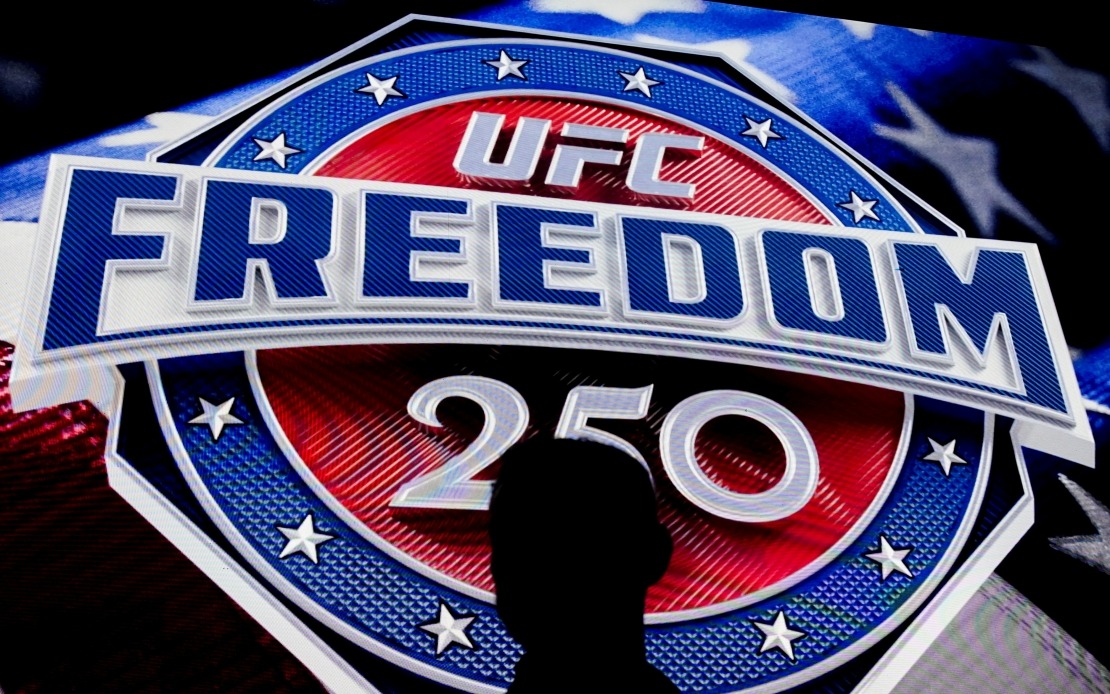
The event in question, officially designated "UFC Freedom 250" and organized by the Ultimate Fighting Championship organization, took place on June 14 at a specially constructed venue situated adjacent to the White House's South Lawn. The gathering drew substantial high-profile participation, including President Donald Trump himself, members of his immediate family, and several sitting cabinet-level officials. The spectacle represented one of the most visible public assemblies held at the presidential residence in recent memory.
While the timing of the event coincided with Trump's 80th birthday, the official framing positioned the celebration as part of commemorative activities marking the 250th anniversary of American independence. This distinction highlights an interesting nuance: although the nation's Independence Day falls on July 4, the UFC event was held over two weeks earlier as part of the broader 250th-anniversary observance. This official designation may have been relevant to security planning and the nature of the gathering.
The foiling of this alleged plot underscores persistent security challenges facing major public events in the United States, particularly those drawing national attention and senior government participation. The sophistication attributed to the purported plan—involving coordination between multiple conspirators, acquisition of specialized equipment such as weaponized drones, and strategic positioning of personnel—suggests a level of operational planning that extends beyond spontaneous criminal activity.
For Malaysia and Southeast Asian observers, this incident carries broader implications regarding evolving threats to political and public gatherings. The alleged use of commercially available drone technology modified for destructive purposes represents a security concern that transcends borders. Regional security agencies have increasingly focused on drone-related threats, and this case provides concrete evidence of how such platforms can theoretically be weaponized in assassination or mass casualty scenarios.
The involvement of individuals across different states, culminating in the arrest of a West Virginia resident, also illustrates how law enforcement coordination across jurisdictional lines remains essential for identifying and disrupting transnational or multi-state conspiracies. For Southeast Asian nations with their own experience managing security threats at high-profile events, the investigative methodology employed by American authorities offers instructive lessons about intelligence gathering, coordination with local law enforcement, and timing of arrests to maximize disruption while securing evidence.
The charges filed represent federal prosecutors' assessment that the evidence demonstrates not merely abstract discussion or ideological alignment, but concrete steps toward executing violence. The specific identification of roles—the sniper position and operators of drone systems—suggests investigation uncovered communications, meeting records, or surveillance footage documenting the conspiracy's progression beyond the planning stage.
As these cases advance through the federal court system, the legal proceedings will likely illuminate the extent to which online communication platforms, social media, and encrypted messaging applications facilitated coordination among the defendants. This aspect carries significant relevance for Malaysian and regional cybersecurity and law enforcement communities grappling with similar challenges in monitoring potential threats while respecting civil liberties and privacy considerations.
The successful identification and arrest of all eight suspects before the alleged plot could materialize demonstrates American intelligence and law enforcement capabilities. However, such cases also raise uncomfortable questions about how many similar conspiracies might exist undetected, and whether current preventive measures adequately address emerging threat methodologies. For Southeast Asian governments hosting major international events, the security lessons from this incident—particularly regarding drone threats and multi-actor coordination—warrant careful study and integration into existing protective frameworks.

