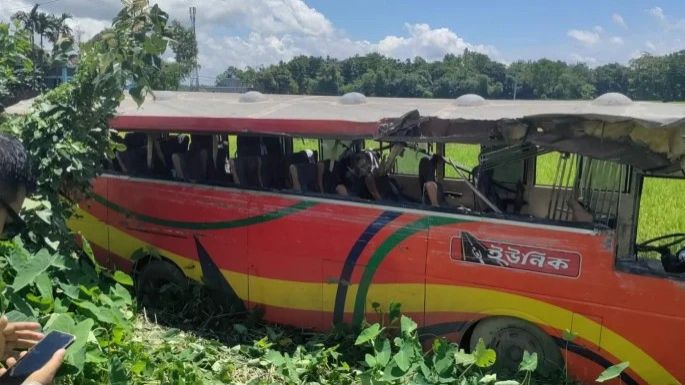
A tragic road accident unfolded in Bangladesh's Sylhet region on Friday morning, claiming the lives of eight people when two passenger buses struck each other head-on. The collision, which took place approximately 240 kilometres northeast of Dhaka, also left a further 25 individuals with injuries ranging in severity. According to Golam Mostafa, the officer-in-charge of Osmani Nagar police station in Sylhet, the incident occurred at approximately 7:30 a.m. local time, during peak travel hours when roads across the region were busy with commuters and intercity traffic.
The circumstances surrounding the crash remain the subject of an ongoing investigation by local authorities, who have not yet released preliminary findings into what caused the two buses to collide on the roadway. Such investigations typically examine factors including driver fatigue, visibility conditions, mechanical failures, and adherence to traffic regulations at the time of impact. The exact identities of the deceased and their destinations have not yet been fully disclosed by police.
This latest tragedy highlights a persistent and deeply concerning pattern in Bangladesh's transportation sector. The nation consistently experiences among the highest road fatality rates in the South Asian region, a sobering reality driven by interconnected systemic failures rather than isolated incidents. The infrastructure supporting vehicular movement across the country remains inadequate in many areas, with highways frequently characterised by poor surface conditions, insufficient lane markings, and a lack of proper safety barriers that could mitigate collision severity.
Vehicle maintenance standards constitute another critical vulnerability within Bangladesh's road ecosystem. Many buses and trucks operating across intercity routes are ageing, with worn braking systems, faulty steering mechanisms, and tyres below safety thresholds. Operators driven by cost pressures often defer essential maintenance, creating cascading risks for passengers who have limited insight into whether their chosen transport meets basic safety standards. The commercial pressure to maximise revenue through longer working hours further compounds these dangers.
Driver behaviour and competency represent additional pillars in this multifaceted crisis. Insufficient training, weak enforcement of traffic regulations, and cultural attitudes that normalise reckless driving habits—such as excessive speed on highways, improper overtaking manoeuvres, and driving under fatigue or impaired states—remain endemic across the country. The incident in Sylhet, involving a head-on collision, often indicates either a serious lapse in lane discipline or a catastrophic loss of vehicle control, scenarios that training and enforcement could substantially reduce.
Regulatory oversight of the transportation sector has historically proven insufficient to address these vulnerabilities. Bangladesh's traffic department faces resource constraints, jurisdictional challenges across municipal and national highways, and difficulties in consistently monitoring and penalising violations. Checkpoints are inconsistently staffed, and penalties for infractions are often considered insufficiently severe to deter repeat offences. The licensing system itself has been criticised for not adequately assessing driver competency before permits are issued.
For Malaysia and other ASEAN nations, Bangladesh's ongoing road safety crisis offers valuable comparative lessons. While Malaysia has made substantial progress in reducing highway fatalities through initiatives such as the Road Safety Blueprint and enhanced enforcement mechanisms, the fundamental vulnerabilities that plague Bangladesh—aging vehicle fleets, inconsistent regulation, and driver behaviour—remain relevant cautionary elements. Regional cooperation on best practices, vehicle safety standards, and driver training protocols could benefit multiple countries grappling with similar structural challenges.
The psychological and social dimensions of such accidents extend far beyond the immediate casualty figures. Families of the deceased face economic hardship, particularly given that many intercity passengers are migrant workers or traders whose earnings support dependents. Communities along major transport corridors develop accumulated trauma from repeated accidents. Healthcare systems in smaller cities like Sylhet, though improving, often lack the capacity to manage multiple serious injuries simultaneously, forcing emergency transfers that further complicate patient outcomes.
Addressing Bangladesh's road safety crisis requires coordinated intervention across multiple domains. Investment in road infrastructure, particularly on major intercity corridors, must prioritise safety features alongside capacity expansion. Vehicle inspection regimes need strengthening through adequate funding and decentralised facilities that can reach smaller towns and rural areas. Driver training and licensing standards must be elevated, with periodic requalification tests and fitness assessments, particularly for professional drivers operating long-haul routes where fatigue becomes a significant risk factor.
Enforcement mechanisms require both technological upgrades and cultural change. The deployment of speed cameras, fatigue detection systems, and enhanced accident investigation tools can provide objective data driving policy improvements. Simultaneously, public awareness campaigns highlighting the consequences of reckless driving, combined with transparent reporting of accident causes and preventability, can gradually shift social norms around road behaviour.
International partnerships offer additional pathways forward. Technical assistance from nations with successful road safety records, capacity building for traffic departments, and knowledge transfer regarding vehicle safety standards and enforcement strategies can accelerate improvements. Insurance companies and vehicle manufacturers also play roles in incentivising safer practices through premium structures and design standards that exceed minimum regulatory requirements.
The eight lives lost in Sylhet represent preventable tragedy under systems with adequate safeguards and enforcement. Their deaths underscore the urgency of comprehensive action to transform Bangladesh's transportation safety landscape, a challenge equally relevant to broader South Asian development agendas where road accidents constitute an invisible public health crisis claiming thousands annually.

