Bilateral relations between Egypt and Russia are entering a new phase of intensified cooperation, with both nations charting ambitious plans across energy, trade, and tourism sectors. The momentum was underscored during high-level discussions between Egyptian Foreign Minister Badr Abdelatty and Russian Foreign Minister Sergey Lavrov, held during the ASEAN Foreign Ministers' Meeting in Manila on July 23. The talks revealed a comprehensive agenda designed to strengthen economic ties and deepen strategic coordination on matters of regional importance.
The centrepiece of Egypt-Russia cooperation remains the El Dabaa Nuclear Power Plant, a landmark infrastructure project that continues to advance despite regional complexities. Recent construction milestones have provided fresh impetus to the partnership, with the successful installation of the reactor vessel for the plant's second unit completed on July 9 marking a significant technical achievement. This progress demonstrates Moscow's commitment to supporting Egypt's long-term energy security objectives and reflects the confidence both governments maintain in the project's eventual operational viability.
Beyond the nuclear sector, both nations are pursuing innovative commercial arrangements that leverage Egypt's geographic advantages and Russia's export capabilities. A proposed logistics corridor within Egyptian territory would serve as a critical hub for storing and distributing Russian grain and petroleum products destined for regional and global markets. Such an arrangement would benefit Egypt through port revenues and employment opportunities whilst providing Russia with reliable supply chain infrastructure independent of Western sanctions pressures. The corridor concept underscores how strategic partnerships can create mutual economic advantages even amid geopolitical tensions.
The establishment of a Russian industrial zone within the Suez Canal Economic Zone represents another manifestation of deepening bilateral investment ties. Abdelatty's public welcome of this development and expression of hope that it becomes operational soon signals Egypt's desire to attract foreign direct investment and diversify its economic base. For Russia, establishing manufacturing and commercial hubs in strategically positioned locations helps maintain economic influence and creates alternative business networks beyond traditional Western markets.
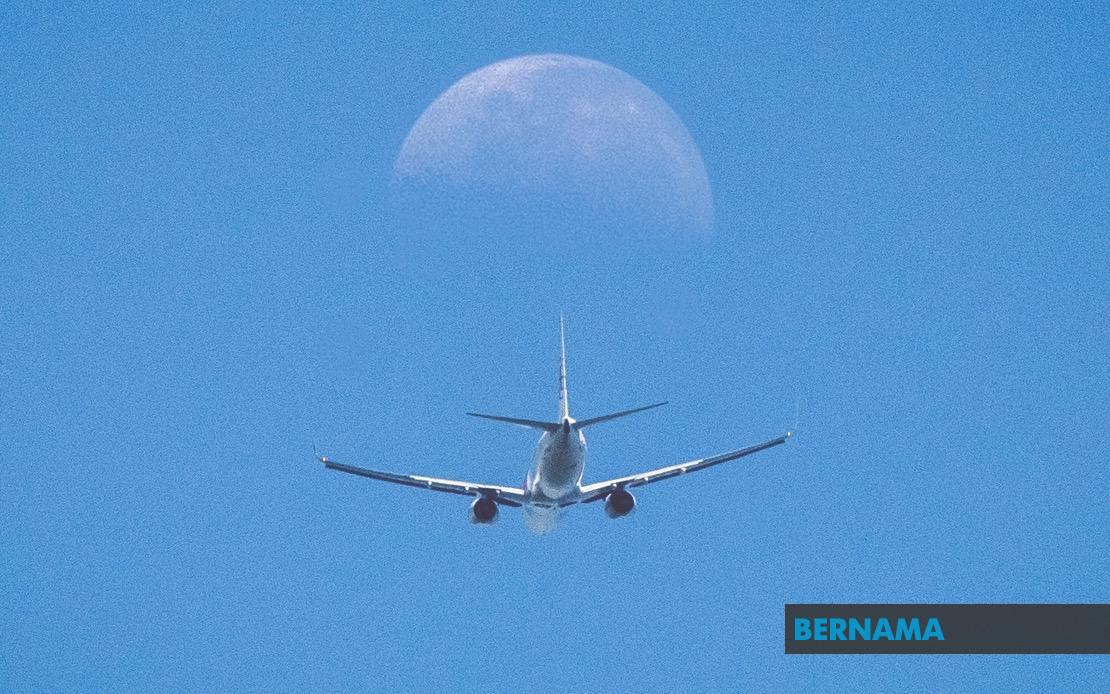
Russia's completion of initial accreditation for two international Egyptian airports opens pathways for expanded connectivity between the nations. The planned introduction of seasonal flights responds to several strategic considerations: boosting tourist arrivals that generate foreign currency for Egypt's struggling economy, strengthening people-to-people ties through increased travel, and creating aviation sector opportunities for both countries. Seasonal routing also allows flexibility in managing flight schedules and passenger demand whilst minimising operational costs during lower-traffic periods.
Lavrov's reaffirmation of Moscow's commitment to the Egyptian partnership carries significance beyond ceremonial diplomacy. Russia faces considerable international isolation from Western nations and views strategic relationships with Middle Eastern and African states as essential to maintaining global relevance and economic survival. Egypt, simultaneously, balances relationships with Russia, Western powers, and regional actors, positioning itself as a crucial non-aligned player in international affairs. This complementary strategic positioning makes the partnership attractive to both capitals.
The bilateral meetings also coincided with Russia's broader engagement with ASEAN nations, with Lavrov attending the annual Russia-ASEAN Foreign Ministers' Meeting. Both sides identified food and energy security, digital transformation, and platform economy development as priority collaboration areas. For Southeast Asian nations including Malaysia, such Russia-ASEAN coordination carries implications for regional supply chains, technology partnerships, and potential economic diversification away from Western-dominated frameworks. Russia's interest in deepening trade, investment, cultural, educational, and humanitarian exchanges reflects Moscow's strategy to build alternative international networks.
The emphasis on food and energy security reflects shared anxieties stemming from global supply disruptions, climate challenges, and geopolitical instability. Russia, as a major grain and energy exporter, possesses substantial leverage in these sectors, particularly among developing nations concerned about price volatility and supply reliability. Southeast Asian nations, many dependent on food imports and energy resources, have inherent interest in diversifying suppliers and strengthening relationships with producers capable of meeting their requirements.
The proposed initiatives also demonstrate how middle powers and developing economies navigate great power competition. Egypt's engagement with Russia complements rather than replaces relationships with Western partners, allowing the nation to maximise bargaining power whilst securing investments across multiple sectors. This balancing act reflects pragmatic statecraft increasingly common among Asian and African nations seeking to benefit from competing international offers without surrendering strategic autonomy.
For Malaysia and other Southeast Asian countries observing Egypt-Russia developments, several lessons emerge regarding infrastructure investment, economic partnership frameworks, and non-aligned positioning. The grain-logistics corridor concept, for instance, could inspire similar regional arrangements utilising ASEAN nations' geographic and port advantages. Additionally, Russia's emphasis on technology transfer, industrial zones, and tourism expansion demonstrates an approach to partnership that emphasises mutual benefit rather than dependency, potentially attractive to Southeast Asian governments cautious about one-sided arrangements.
Longer-term implications depend on execution capability and geopolitical stability. The El Dabaa plant's ultimate commissioning, the logistics corridor's operational efficiency, and seasonal flight sustainability all require sustained political will and technical competence. Regional developments in the Middle East, sanctions regime changes, and broader international dynamics could either facilitate or complicate these initiatives. Nevertheless, the breadth and ambition of Egypt-Russia cooperation indicates both nations view their partnership as strategically indispensable for navigating contemporary international challenges.
The initiatives announced during the Manila meetings represent calculated investments in bilateral relationships designed to weather external pressures and create mutual prosperity. As geopolitical landscapes continue shifting, such partnerships between non-aligned nations and rising alternative power centres will likely grow increasingly significant in shaping regional and global economic architectures.

