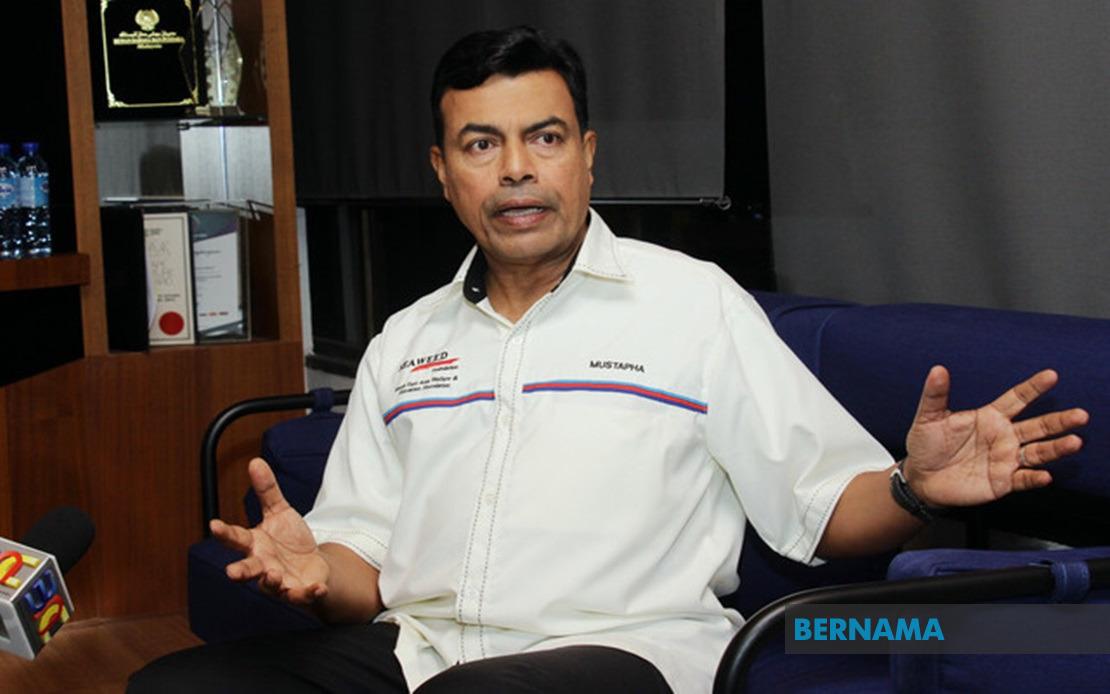
The South East Asia Welfare and Education Foundation is pushing for the creation of a specialized institutional body within Malaysia's educational framework to handle student safety and welfare matters more systematically. Speaking in Semporna, foundation chairman Datuk Dr Mustapha Ahmad Marican outlined the proposal as a necessary step to protect students while simultaneously reducing the administrative load on teachers who currently shoulder much of the responsibility for disciplinary enforcement. The suggestion comes as schools across the nation grapple with rising concerns over bullying, gang-related activities, and the smuggling of weapons onto campuses, issues that extend beyond the traditional remit of classroom instruction.
According to Mustapha, the proposed body could operate either as a formal division within the Education Ministry itself or as an independent agency granted statutory powers to investigate, monitor, and enforce standards. The structural flexibility would allow policymakers to choose the model best suited to Malaysia's administrative needs while maintaining alignment with the ministry's broader oversight functions. This approach recognizes that institutional safety requires dedicated expertise, resources, and authority that cannot be effectively distributed across multiple schools without centralized coordination and consistent standards.
The proposal draws legitimacy from proven international precedents. The United Kingdom and Australia have both established dedicated agencies or comprehensive legal frameworks specifically designed to safeguard student welfare within educational institutions. These models demonstrate that countries with advanced education systems recognize student safety as a distinct policy domain requiring specialized attention rather than a secondary concern absorbed into general school management. Their experience suggests that systematic, dedicated oversight produces measurable improvements in campus security and student well-being outcomes, making the case for similar institutional innovation in Malaysia more compelling.
Bullying represents one of the most pressing challenges that a dedicated safety body would need to address. Mustapha emphasized that incidents resulting in physical injury demand serious intervention and swift action rather than the inconsistent handling that often characterizes school-level responses. Many Malaysian educators lack formal training in threat assessment, conflict de-escalation, and victim support, making the centralization of expertise through a dedicated agency an efficient solution. Such a body could develop evidence-based protocols for identifying at-risk students, intervening in bullying situations before they escalate, and providing psychological support to affected individuals.
Gangsterism in schools represents another dimension of the safety challenge that extends beyond what individual teachers can manage. Youth gang recruitment, territorial conflicts, and gang-related violence occasionally breach school perimeters, creating an environment where ordinary students fear for their physical safety. A coordinated, ministry-level body could establish liaison protocols with law enforcement, implement early warning systems to identify student gang involvement, and develop intervention programmes aimed at redirecting at-risk youth toward constructive activities. This systemic approach would prove far more effective than reactive discipline imposed after incidents occur.
The NGO chairman advocated for comprehensive research into bullying patterns that would simultaneously examine the mental health dimensions of both perpetrators and victims. Understanding the psychological roots of bullying behaviour—whether rooted in trauma, social isolation, or family dysfunction—would enable preventive interventions that address underlying causes rather than merely punishing surface manifestations. Schools currently lack the institutional resources to conduct such investigations; a centralized body could commission research, synthesize findings, and disseminate best-practice guidelines across the education system.
Mustapha specifically recommended implementing regular bag inspections as a practical security measure to prevent dangerous items from entering school premises. The proposal acknowledges a simple reality: weapons including knives and other implements regularly find their way into schools, often brought by students intending to settle disputes or intimidate rivals. Systematic bag checks, conducted transparently and respectfully, serve as both a practical deterrent and a visible demonstration that school authorities take safety seriously. The measure requires clear protocols to avoid humiliation or racial profiling, areas where expert guidance from a dedicated body could ensure equitable implementation.
The burden on teachers in managing disciplinary matters has grown substantially as schools face increasingly complex behavioural and social challenges. Many educators entered the profession to teach their subject, not to serve as security officers, counsellors, and social workers. By establishing a specialized agency, the Education Ministry could redirect teacher capacity back toward instructional excellence while ensuring that safety and welfare matters receive attention from personnel trained and equipped specifically for those functions. This division of labour would improve outcomes across both domains—teaching quality and student safety.
For Malaysian policymakers, the NGO's recommendation arrives at a critical juncture. Several high-profile incidents of school violence and bullying in recent years have sparked public concern and raised questions about the adequacy of current institutional frameworks. Parents increasingly worry about their children's safety on campuses, a concern that extends beyond physical violence to encompass mental health impacts of bullying and peer intimidation. A dedicated safety body would signal genuine commitment to addressing these concerns while providing evidence-based solutions grounded in international experience and local research.
Implementing such an agency would require careful consideration of funding, staffing, coordination with existing ministries, and legal frameworks. The proposal does not suggest a rigid, top-down body that ignores school-level expertise; rather, it envisions an institutional hub that sets standards, provides training and resources, coordinates responses to serious incidents, and ensures that no school falls through cracks in the system due to inadequate local capacity. Establishing this framework would represent a significant but achievable step toward making Malaysian schools demonstrably safer, more supportive environments for the nation's young people.

