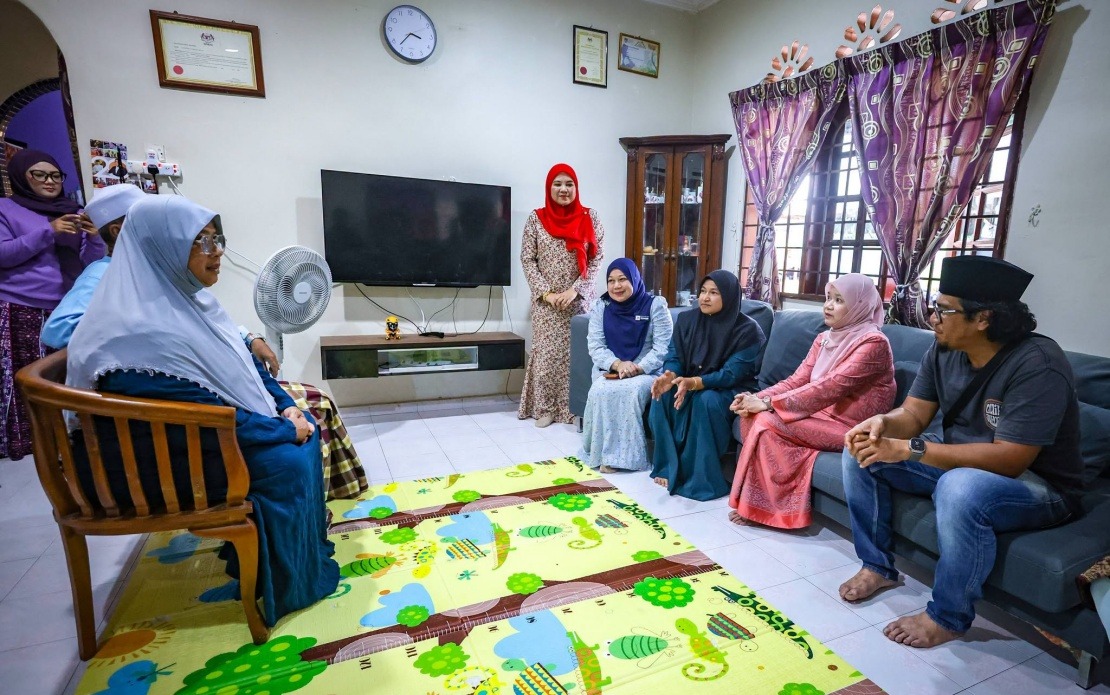
Education Minister Fadhlina Sidek made a compassionate visit to the bereaved family of Muhammad Raiyan Nufael on behalf of the Ministry of Education, paying her respects following the tragic death of the 14-year-old Form Two student. The incident occurred at a school in Telok Mas, Melaka, when the teenager collapsed during a rugby training session on Wednesday evening around 6 pm, shocking the school community and raising urgent questions about student safety during physical education activities.
The minister's visit underscores the gravity with which Malaysia's education leadership treats the loss of young lives within the school system. Through a Facebook post documenting the visit, Sidek conveyed the ministry's deepest sympathies to the parents, offering prayers for the student's soul and expressing hope that the family would find solace during this difficult period. Such ministerial engagement signals that incidents of this nature receive immediate attention at the highest levels of the education bureaucracy, setting a precedent for how the ministry responds to tragedies affecting students.
Accounts indicate that the teenager had been participating in the rugby training for approximately 15 minutes before the incident occurred. What makes this particular case noteworthy is that the collapse happened not during intense physical exertion, but rather during a quieter moment—while the student was listening to instructions from the coach following a training break. This detail raises important considerations about the nature of the underlying medical condition and whether warning signs may have been present or overlooked.
The circumstances surrounding the death point to potential underlying health complications that warrant serious investigation. A student experiencing shortness of breath during a relatively low-intensity period of training suggests the possibility of an undiagnosed cardiac condition, severe asthma, or another acute medical emergency. Schools across Malaysia must now grapple with the uncomfortable reality that young athletes can face life-threatening medical events, even during ostensibly controlled and supervised activities.
This tragedy arrives at a time when Malaysian schools have increasingly emphasised physical education and sporting activities as integral components of holistic student development. Rugby, in particular, has been promoted as a character-building sport at secondary level. However, the incident exposes gaps in how schools prepare for and manage medical emergencies during athletic training, particularly regarding pre-participation health screening and the presence of qualified first aid responders.
For parents throughout Malaysia, the death raises troubling questions about duty of care and whether current safeguards are sufficient. Many families will be asking what protocols existed at the school, whether staff were trained in CPR and emergency response, and whether the student's medical history had been adequately assessed before participation in an intensive contact sport. These are questions that extend beyond one school or one incident to encompass systemic practices across the education sector.
The incident also draws attention to the importance of pre-participation medical clearances for students engaging in contact and collision sports. While such assessments may exist in policy, their consistent implementation across Malaysia's diverse network of schools remains uncertain. Establishing robust, nationwide standards for medical evaluation of young athletes could help identify students at elevated risk before they enter training environments.
The broader Malaysian community, particularly parents and educators, will be watching how the ministry responds institutionally to this tragedy. Beyond condolence visits, the education sector must examine whether additional training for coaches in recognising medical emergencies is necessary, whether schools have adequate access to automated external defibrillators (AEDs), and whether protocols for rapid emergency response can be strengthened. Such measures would honour the memory of Muhammad Raiyan Nufael while potentially preventing similar tragedies.
Sports-related deaths among young people, though statistically uncommon, carry profound implications for schools and families. When they do occur, they often lead to critical examination of practices that were previously taken for granted. In this case, the tragedy offers a sobering reminder that even carefully supervised school activities can carry unforeseen risks, and that preparedness for medical emergencies should be as much a priority in schools as academic excellence.
Looking forward, the Ministry of Education may need to issue updated guidance to schools regarding medical emergency preparedness during sporting activities. This could include mandatory training for coaches, requirements for emergency medical equipment, and clearer protocols for liaison with emergency services. Such measures, while perhaps seeming excessive in normal circumstances, become essential following incidents that claim young lives.
The death also highlights the need for open dialogue between schools, families, and medical professionals about identifying students who may be at particular risk during physical activities. Conditions such as hypertrophic cardiomyopathy, undiagnosed asthma, or other cardiac abnormalities can remain dormant until triggered by physical exertion, making pre-participation screening an essential safeguard. Malaysian schools should evaluate whether their current screening processes are adequate or whether they require enhancement.
As the education ministry continues to support the bereaved family, the incident will likely catalyse broader conversations within schools about risk management, emergency preparedness, and the responsibilities schools bear toward student welfare. The tragedy of Muhammad Raiyan Nufael's death, though deeply painful, may ultimately serve to strengthen protections for the thousands of Malaysian students who participate in school sports each year, ensuring that their participation occurs within the safest possible environment.

