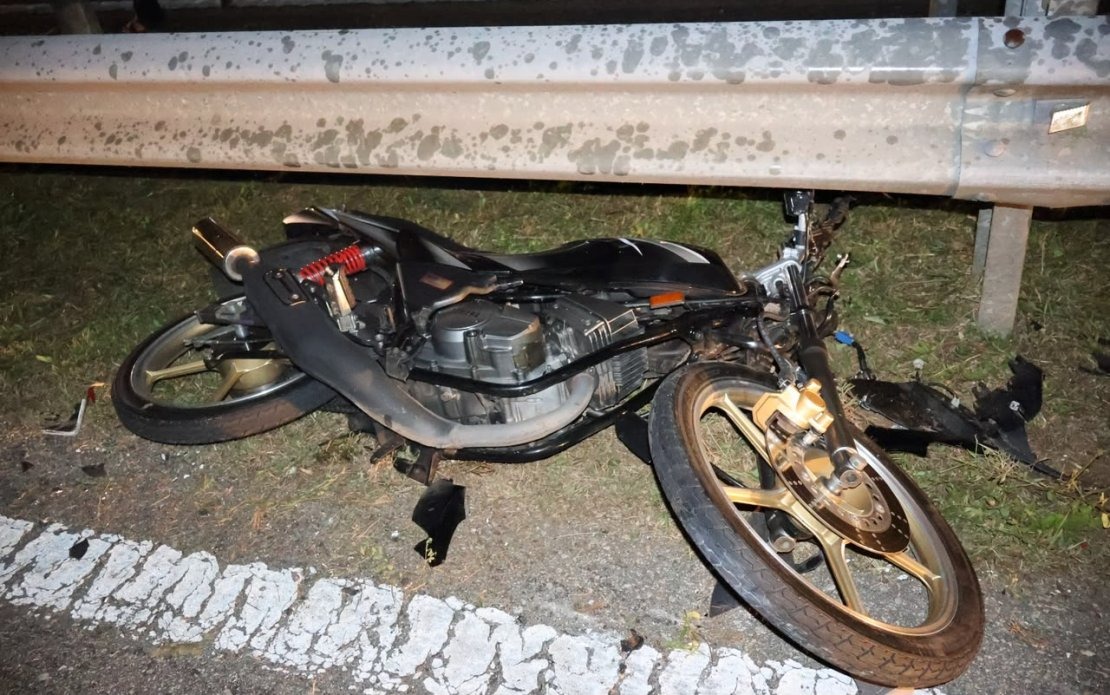
The director of Bukit Aman's Traffic Investigation and Enforcement Department has warned that a law-and-order approach by itself cannot address Malaysia's persistent road safety challenges, underscoring the need for a comprehensive strategy involving families, schools, and communities. Datuk Seri Muhammed Hasbullah Ali's comments came in the wake of a devastating collision on the East Coast Expressway that left four motorcyclists dead and twenty others injured, serving as a stark reminder of the human cost of dangerous driving practices.
Muhammed Hasbullah emphasised that reducing accident rates requires genuine public participation, with parents, family units, and community organisations bearing responsibility for cultivating responsible attitudes among those who use roads. The remarks reflect a growing recognition among Malaysia's law enforcement establishment that legislative frameworks and police operations, while necessary, address only part of the problem. Without corresponding shifts in mindset and social norms surrounding road usage, even intensive enforcement campaigns will yield limited results in preventing tragedies.
The traffic chief identified motorcyclists as a particularly vulnerable category, noting that many accidents in this group stem not from a lack of awareness of traffic laws but from deliberate choices by riders to ignore regulations. Some riders engage in reckless behaviour specifically to gain peer recognition or personal satisfaction, suggesting that the underlying issue is behavioural and attitudinal rather than simply informational. This distinction is crucial for policymakers attempting to design interventions that might actually change outcomes.
Despite sustained enforcement operations by Bukit Aman and other agencies, instances of dangerous riding continue to plague Malaysian highways. Illegal street racing and stunt performances represent flagrant violations that endanger not only the participants but also innocent bystanders and other motorists sharing the road. These activities often occur during specific times and locations, yet enforcement alone has proven insufficient to eliminate them entirely, suggesting that deterrence through penalties has limits when the behaviour is intentional and deliberate.
The tragic incident on the East Coast Expressway exemplifies how individual decisions to ride recklessly can have cascading consequences affecting multiple people. The four deceased riders lost their lives, but the injured comprised other motorcyclists and potentially occupants of vehicles they collided with, along with the broader public suffering property damage and psychological trauma from witnessing such incidents. Muhammed Hasbullah's invocation of roads as shared public spaces underscores a fundamental principle that Malaysian road safety campaigns have yet to fully internalise into the national consciousness.
Institutional approaches to road safety in Malaysia have traditionally emphasised enforcement—increased police patrols, speed cameras, roadblocks, and penalties for traffic violations. While these measures remain important tools, the traffic chief's analysis suggests they function best within a broader ecosystem of education and cultural reinforcement. Schools, religious institutions, and civil society organisations could amplify messages about responsible road use, creating multiple reinforcement channels beyond government messaging alone.
Parental involvement represents a particularly untapped resource in Malaysia's road safety strategy. Young riders, particularly motorcyclists aged eighteen to twenty-five, are disproportionately represented in accident statistics. Parents who actively model safe driving behaviour, monitor their children's riding practices, and communicate expectations around road responsibility could potentially prevent many incidents. However, this requires cultural normalisation of parental engagement with children's road conduct, which remains inconsistent across Malaysian families.
The distinction Muhammed Hasbullah drew between prevention through law enforcement and prevention through attitude change has significant implications for resource allocation. Rather than expanding police capacity indefinitely, government might achieve greater returns by investing in evidence-based road safety education programmes, community mobilisation initiatives, and peer-led advocacy campaigns that address the psychological drivers of dangerous riding. Such approaches could complement rather than replace enforcement.
Asian countries including Thailand, Vietnam, and the Philippines have experimented with community-based road safety programmes involving local leaders, religious figures, and respected community members to shift social norms around unsafe behaviour. Malaysia could adapt similar models, leveraging its diverse cultural and religious landscape to create contextually relevant messaging that resonates with different demographic groups. The goal would be to make reckless riding socially unacceptable rather than merely legally risky.
Looking forward, Malaysian authorities will likely need to pursue a multi-sectoral approach combining continued enforcement with enhanced educational initiatives, family engagement programmes, and community partnerships. The traffic chief's remarks suggest that Bukit Aman recognises the limitations of its own enforcement mandate and is calling for other institutions to shoulder complementary responsibilities in promoting road safety. Whether schools, local governments, and community organisations respond to this call will substantially influence whether Malaysia can reverse its concerning road fatality trends.
The immediate response to the East Coast Expressway incident will likely involve intensified enforcement operations targeting dangerous riding behaviour. However, the longer-term challenge lies in fundamentally reshaping how Malaysians think about roads, risk-taking, and collective responsibility. Muhammed Hasbullah's statement represents an implicit acknowledgment that sustainable road safety improvement requires transformation of social attitudes—a shift that cannot be mandated through law enforcement alone but must emerge from communities themselves.

