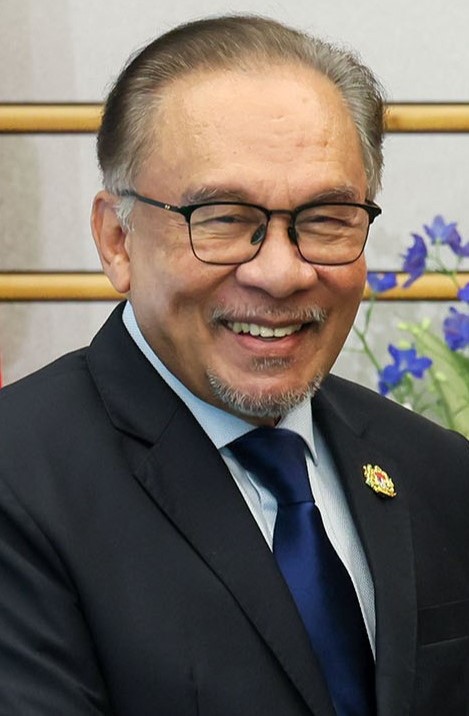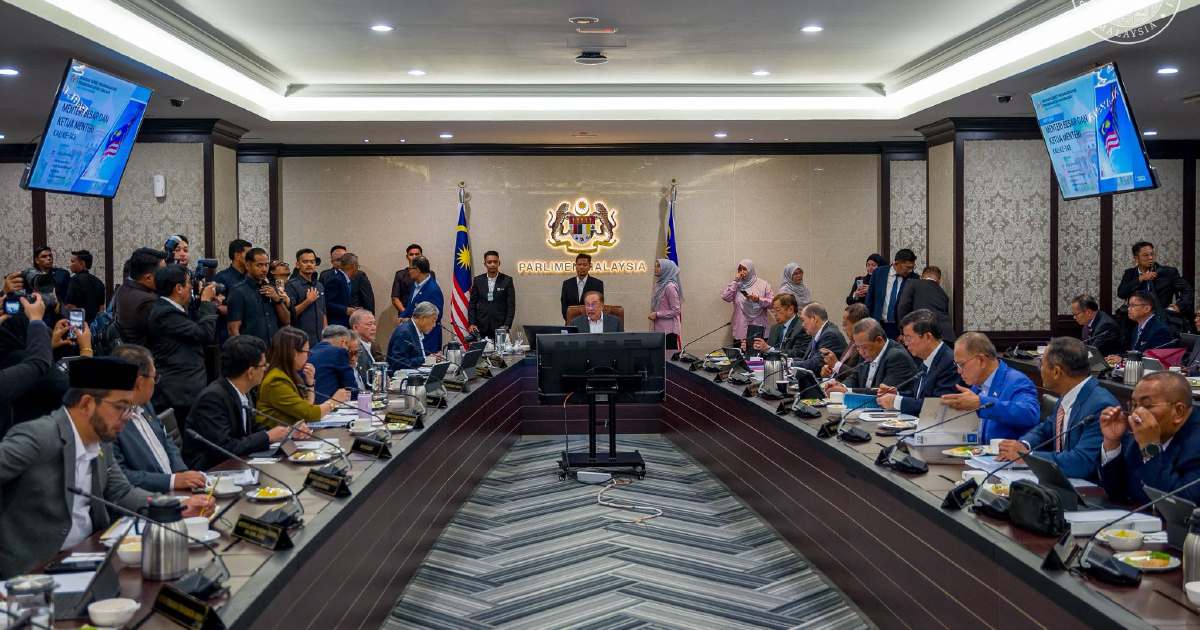
Prime Minister Datuk Seri Anwar Ibrahim brought together Malaysia's state leaders at Parliament for the 149th collective meeting of Menteris Besar and Chief Ministers, directing the gathering towards a singular imperative: reinvigorating the nation's economic performance in a landscape increasingly clouded by international instability. The assembly, held at the Parliament building in Kuala Lumpur, represented a coordinated effort to align federal and state-level strategies around shared economic objectives as the country navigates an uncertain global environment.
The convergence of state-level executives under federal leadership underscores the government's recognition that economic resilience cannot be achieved through isolated policy silos. Regional leaders, whose administrations govern approximately 80 per cent of Malaysia's land area and populations within their respective territories, wield considerable influence over investment decisions, infrastructure development, and talent retention. By convening these officials in a structured forum, the administration signals its commitment to translating national economic ambitions into tangible action at the grassroots level where businesses operate and citizens are ultimately affected.
Geopolitical tensions emanating from Middle East conflicts have injected volatility into global energy markets, supply chains, and investor sentiment across emerging economies. Malaysia, as a trading nation with substantial exposure to international commerce and regional shipping routes passing through nearby waters, faces material risks from prolonged instability. Oil price fluctuations reverberate through the government's fiscal position, whilst disruptions to maritime traffic threaten export-dependent manufacturing and logistics sectors. These pressures create urgency around the PM's call for a cohesive economic revival strategy.
The timing of this convening reflects broader economic headwinds facing Southeast Asia's third-largest economy. Domestic consumption has shown signs of weakness, manufacturing output has faced headwinds from slowing global demand, and unemployment remains a concern despite labour market relative stability. Tourism, a critical foreign exchange earner, remains vulnerable to travel disruptions and shifts in international visitor patterns. State governments, which administer policies affecting commerce, investment facilitation, and local economic development, therefore occupy a pivotal position in the government's recovery blueprint.
State-level initiatives carry particular weight in sectors where administrative authority is devolved. Regional governments oversee aspects of land use, industrial zoning, and infrastructure permits that fundamentally shape where businesses choose to establish operations. By aligning these subnational authorities around a unified economic direction, the federal government can accelerate project implementation and reduce bureaucratic friction that sometimes hampers investment flows. The meeting likely canvassed opportunities for eliminating jurisdictional obstacles that delay business expansion or foreign direct investment commitments.
The economic revival agenda encompasses multiple dimensions beyond macroeconomic stimulus. Industrial diversification remains critical for a nation historically reliant on resource extraction and low-value manufacturing. Digital economy development, renewable energy transition, and high-tech sector cultivation require coordinated effort spanning federal incentives and state implementation capacity. Regional leaders carry responsibility for translating these directives into procurement policies, skills development programmes, and business-friendly regulatory environments that attract knowledge-intensive enterprises.
Middle East geopolitical instability presents particular challenges for Malaysia's energy security and supply chain stability. Though Malaysia maintains domestic petroleum reserves, regional conflict threatens the Strait of Malacca—through which nearly a third of global maritime trade transits—and creates uncertainty around energy costs that feed into production expenses across multiple sectors. State leaders must account for these externalities when planning industrial policy and supporting business adaptation strategies.
The assembly also likely emphasised the role of sub-national authorities in labour market management and human capital development. Manufacturing, tourism, and services sectors compete globally for talent, and state governments influence educational outcomes, skills certification programmes, and quality-of-life factors that determine whether skilled professionals remain in Malaysia or emigrate. Economic revival without concurrent investment in workforce capability produces hollow growth.
International investor confidence remains fragile amid ongoing geopolitical tensions. State leaders, often the first governmental contact for prospective foreign investors scouting locations for regional operations, serve as crucial ambassadors for Malaysia's stability and opportunity narrative. Their communications regarding political consistency, regulatory predictability, and dispute resolution mechanisms shape perceptions of Malaysia relative to competing Southeast Asian jurisdictions. Coordinating messaging across state administrations avoids the contradictions that undermine investor confidence.
The federal structure of Malaysian governance means economic policy effectiveness depends substantially on horizontal coordination between state governments and vertical alignment between state and federal authorities. The 149th meeting functioned as a mechanism for building this coordination, ensuring that Menteris Besar and Chief Ministers understand federal economic priorities and contribute substantive input regarding feasibility, resource requirements, and implementation challenges specific to their regions. Such forums prevent policy disconnect between central planning and regional capacity.
Looking forward, the real test of this meeting's value lies in translating its deliberations into concrete action. State administrations must operationalise whatever commitments emerge regarding investment promotion, infrastructure acceleration, or regulatory streamlining. The economic revival agenda cannot succeed if confined to announcements; it requires demonstrable changes in how businesses experience interaction with government at state level, where regulations are enforced and development permits are granted. The PM's stewardship of this collective endeavour signals serious intent, but sustained execution across multiple administrations presents the genuine challenge ahead.