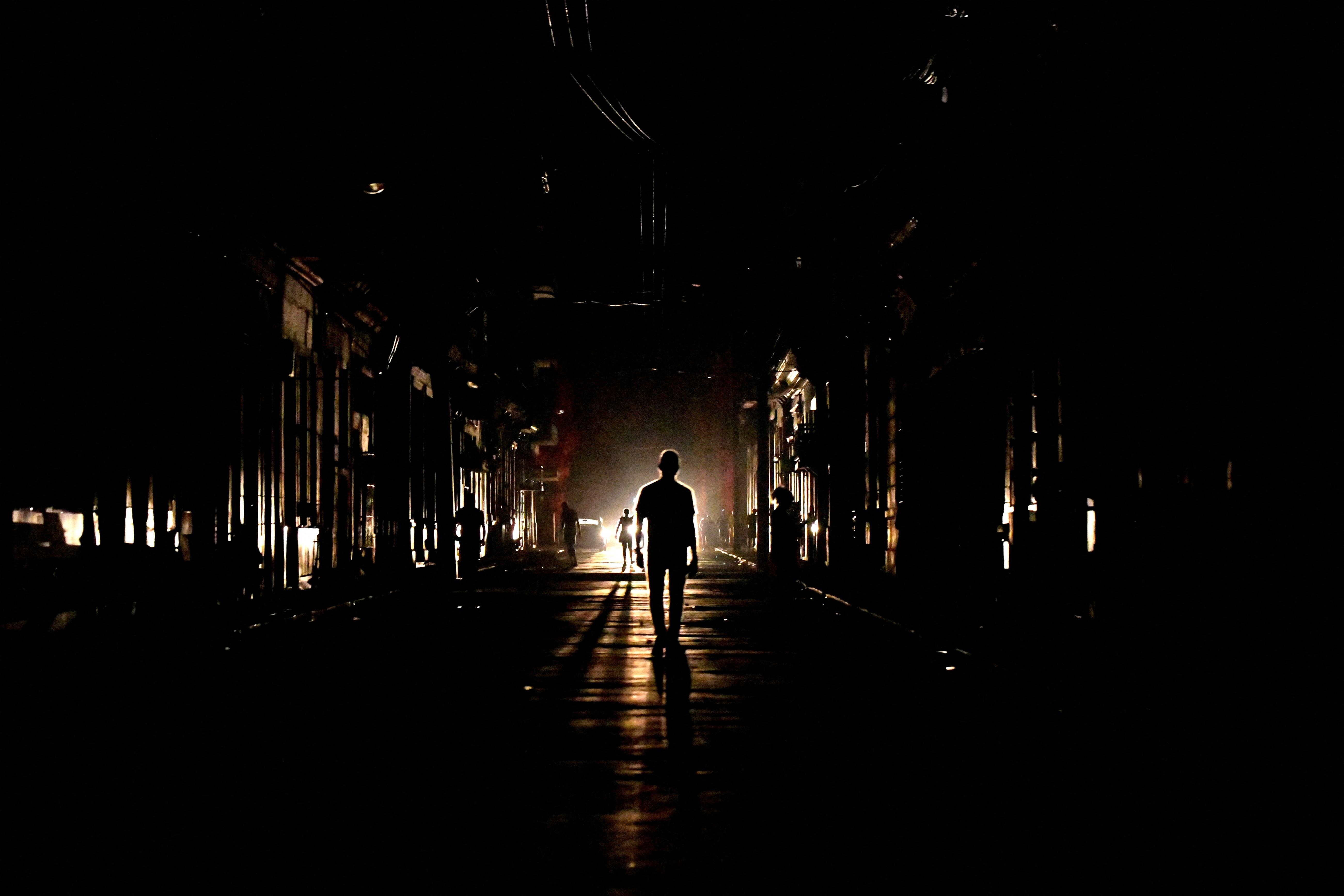
Eastern Libya descended into darkness late Thursday when a major power failure cascaded across the region, cutting electricity to significant population centres including the coastal city of Benghazi and surrounding areas. The blackout, which affected multiple cities and towns across eastern Libya's territory, underscored the fragility of the country's struggling infrastructure amid years of political division and conflict.
Footage from affected areas showed streets and residential neighbourhoods plunged into complete darkness, with the outage extending beyond Benghazi to towns such as Marj. The extent of the failure highlighted how vulnerable the region's electricity networks have become, particularly given the challenges Libya has faced in maintaining and upgrading its power generation and distribution systems following the 2011 conflict that toppled longtime leader Muammar Gaddafi.
The Electricity Ministry, which operates under the authority of the eastern-based government appointed by the House of Representatives, moved quickly to address the crisis. Officials announced that several generation units had been brought back into service, allowing power supplies to commence recovery operations across affected zones. The ministry's swift response indicated that the outage stemmed from operational failures rather than physical infrastructure damage, though investigations into the precise cause were ongoing.
Restoration efforts prioritised critical facilities essential for public welfare. Power was restored to Benghazi's major 1,200-bed hospital, ensuring that medical services could continue uninterrupted. Several southern neighbourhoods in the city also received electricity restoration, offering some relief to residents after hours of darkness. However, substantial portions of eastern Libya remained without power as technical teams coordinated across multiple systems to bring stability to an overextended grid.
Authorities implemented a cautious approach to power restoration, deliberately bringing loads back gradually to prevent further cascading failures. This measured strategy reflected lessons learned from previous blackouts and the need to protect the delicate balance of a power network operating near capacity. Technical teams continued working simultaneously on generation facilities, transmission infrastructure, and local distribution networks to expand the restoration throughout the eastern region.
The blackout represents the latest chapter in Libya's deepening infrastructure crisis. Beyond electricity shortages, the country has experienced deteriorating security conditions in recent weeks, including armed clashes in western cities such as Zawiya and Sorman. Drone attacks targeting oil facilities in Zawiya have further damaged the nation's economic lifeblood, while the electricity crisis has become acute enough to disrupt daily life across major population centres.
Libya's electrical infrastructure challenges are inseparable from its broader political paralysis. The country remains fractured between two competing power structures: Prime Minister Abdul Hamid Dbeibah's internationally recognised Government of National Unity, which controls Tripoli and western territories, and a rival administration headed by Osama Hammad in Benghazi, appointed by the House of Representatives and governing eastern regions. This division has prevented coordinated national governance and investment in critical infrastructure like power generation and distribution networks.
The United Nations Support Mission in Libya (UNSMIL) has been attempting to broker political reconciliation between the rival administrations, with particular focus on enabling long-delayed national elections that Libyans hope might finally resolve years of competing claims to legitimacy. Elections have become symbolic of potential unity, as many Libyans view democratic ballots as the pathway toward ending the conflict cycle that emerged following Gaddafi's overthrow. However, fundamental disputes over governance and power-sharing have repeatedly delayed electoral processes.
The interconnection between Libya's political fragmentation and infrastructure collapse is particularly acute in the electricity sector. Investment decisions, maintenance schedules, and emergency response protocols all suffer when two governments claim authority over the same territory. The eastern blackout demonstrates how infrastructure failures can ripple across regions, affecting hospitals, businesses, and households simultaneously. For Malaysia and other Southeast Asian nations observing Libya's travails, the case illustrates how unresolved political divisions can rapidly degrade essential services that citizens depend upon daily.
Longer-term solutions require not only technical repairs but fundamental political progress. International observers acknowledge that infrastructure restoration will remain temporary and insufficient until Libya achieves sustainable political settlement. The UN mission continues diplomatic efforts, though progress has been incremental. Meanwhile, ordinary Libyans in eastern cities like Benghazi endure repeated cycles of blackouts, security threats, and service degradation that underscore the human cost of prolonged political impasse and institutional dysfunction.

