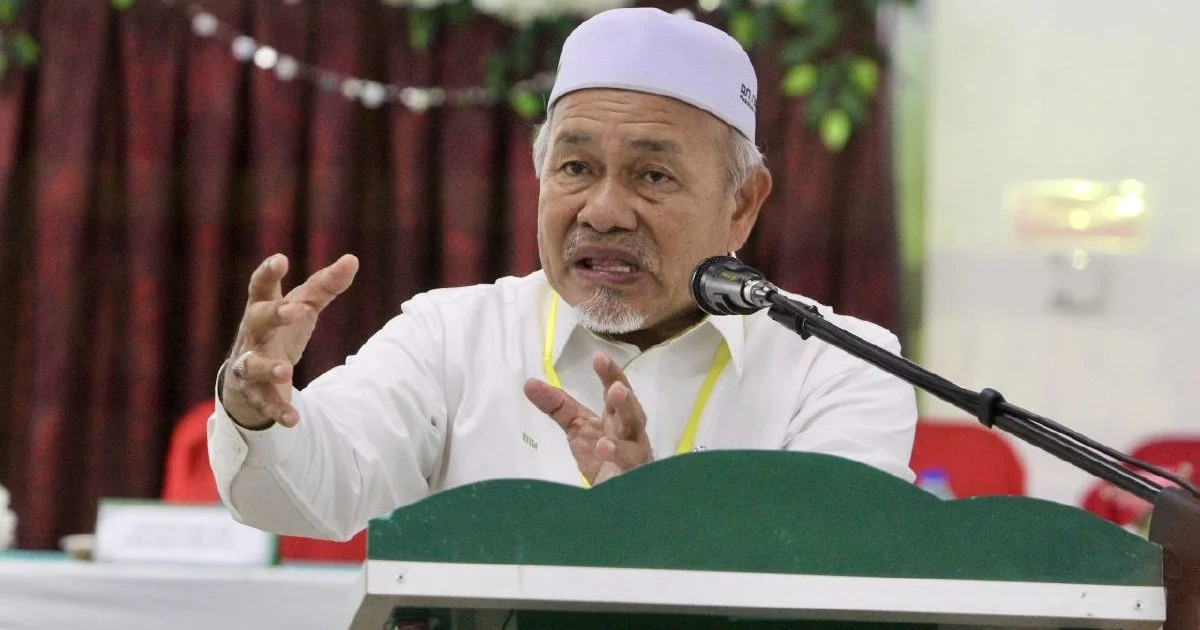
Prime Minister Datuk Seri Anwar Ibrahim's government appears set to maintain its current parliamentary term rather than seek a fresh electoral mandate following Barisan Nasional's substantial win in the Johor state elections, according to PAS deputy president Datuk Seri Tuan Ibrahim Tuan Man. The assessment from one of the coalition's senior Islamic figures reflects confidence across the ruling bloc that its position has strengthened sufficiently through the regional ballot, reducing any perceived need to test its support at the federal level through an early general election.
Tuan Ibrahim's remarks carry particular weight given PAS's role as a significant coalition partner within the larger Barisan framework. The party's deputy leadership position places him among those privy to strategic discussions about timing and political calculations within the government. His statement essentially signals that discussions regarding a premature dissolution of Parliament have likely concluded, with senior figures concluding that the administration possesses adequate political capital to govern comfortably until the scheduled election window.
The Johor state victory represents a watershed moment for Barisan's revival following years of electoral disappointment and internal turbulence. The coalition's performance in Malaysia's second-largest state by population demonstrated sustained support among key voting demographics and signalled that voters continue to back the grouping despite periodic controversies surrounding its component parties. For Prime Minister Anwar, whose administration took office following the 2022 general election, the result validates his coalition-building efforts and suggests the government has consolidated enough support to weather the remaining parliamentary term without seeking renewal.
The political calculus around calling an early general election involves multiple competing considerations for any sitting government. While electoral victories in state contests can generate momentum and boost morale, they also consume resources, energise opposition movements, and risk squandering goodwill if circumstances shift before the scheduled election date. The Barisan leadership's apparent conclusion that the time is not opportune reflects confidence that current conditions favour stability over the uncertainties inherent in another nationwide vote.
For Malaysian voters and political observers, this assessment carries implications extending beyond mere scheduling. It suggests the government intends to focus its remaining time in office on policy delivery and consolidating administrative achievements rather than pursuing the populist announcements and intensive campaigning that typically accompany electoral cycles. The decision to forgo an early election implicitly endorses a longer planning horizon for major initiatives and budgetary allocations, allowing for more substantive governance rather than campaign-focused positioning.
The regional dynamics across Southeast Asia provide additional context for Malaysia's electoral stability. While several neighbouring nations have experienced political turbulence and institutional instability, Malaysia's decision to maintain its parliamentary schedule reinforces the country's reputation for predictable governance and institutional continuity. This consistency matters for investor confidence, policy implementation timelines, and the government's ability to pursue medium-term strategic objectives without the disruptions that electoral processes invariably introduce.
Tuan Ibrahim's pronouncement also reflects practical considerations about the financial and administrative burden of conducting a general election. Malaysia's electoral machinery, while sophisticated and generally well-regarded internationally, demands substantial resources and preparation time. The Election Commission must undertake extensive preparations including boundary reviews if any are scheduled, printing of ballot papers, deployment of polling staff across thousands of constituencies, and security arrangements. Voluntarily compressing this timeline would create unnecessary pressure on these systems and potentially compromise electoral administration quality.
The statement further suggests that internal coalition discussions have produced consensus among Barisan's major components regarding the governance strategy ahead. Coalition politics in Malaysia require constant calibration among parties with distinct bases, ideologies, and leadership structures. The fact that prominent figures from different coalition partners appear aligned on maintaining the current timeline indicates that broader strategic agreement exists across the grouping, reducing the risk of destabilizing disputes about electoral timing in coming months.
For opposition parties, the apparent foreclosure of an early election option requires strategic recalibration. They must now prepare for a contest at the constitutionally mandated time, typically in 2024, adjusting their organisational and campaign timelines accordingly. This clarity, while potentially disadvantaging opposition forces who might have benefited from an unexpected election call, allows them to plan methodically and build organisational capacity deliberately rather than responding to electoral surprises.
The broader implication of Tuan Ibrahim's remarks is that Malaysia's political system, despite periodic tensions and controversies, continues to function within constitutional frameworks and established conventions. The government's choice to allow a full parliamentary term to proceed, rather than seeking premature renewal of its mandate, reflects institutional maturity and respect for constitutional norms that distinguish Malaysia's democratic experience from less stable neighbours.
Looking forward, the government's apparent commitment to fulfilling its parliamentary term provides a window for substantial policy work across multiple portfolios. Economic initiatives, infrastructure projects, and administrative reforms can proceed with longer planning horizons when electoral uncertainty is removed from the equation. For Prime Minister Anwar's administration, the opportunity to govern through a complete parliamentary cycle, validated by Johor's results, represents a political foundation upon which more ambitious governance agendas can be constructed during the remaining months before the scheduled general election.

