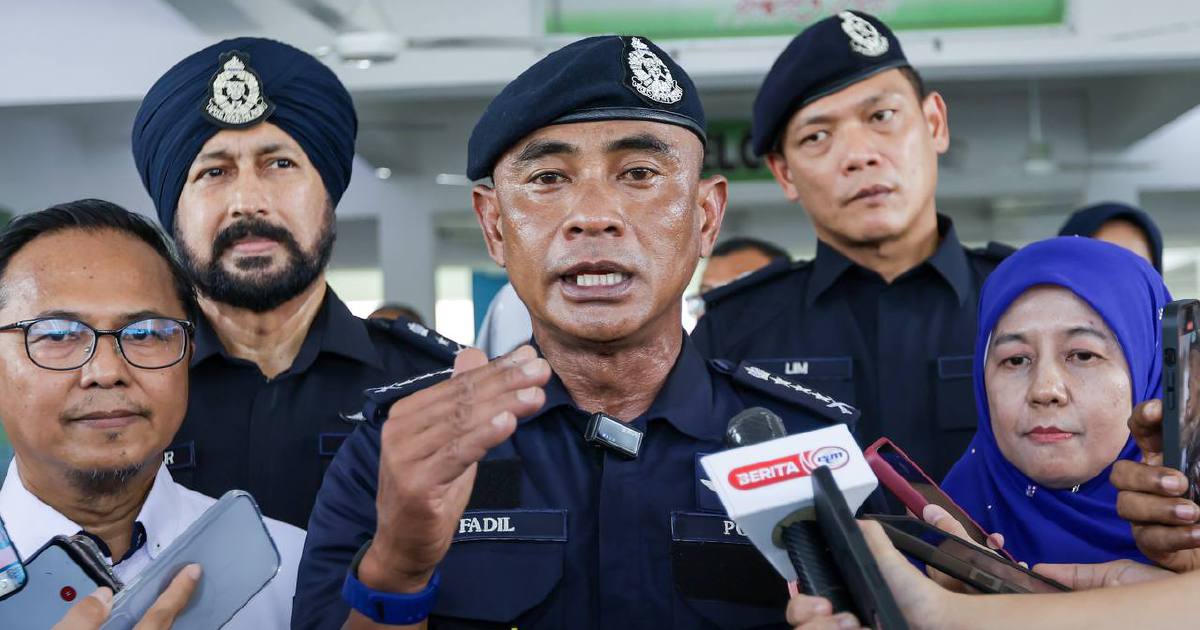
Police in Kuala Lumpur have detained twelve men in connection with a brawl that erupted at the Viva Home parking facility in Cheras. The incident, which centred on a parking-related disagreement, descended into open violence and prompted a rapid law enforcement response to contain the situation.
Parking disputes at major shopping destinations remain a recurring flashpoint for public disorder across the Klang Valley and beyond. What often begins as a minor disagreement over vehicle spaces frequently deteriorates into physical confrontations, particularly during peak shopping hours when facilities operate at maximum capacity. The prevalence of such incidents reflects underlying tensions in high-traffic commercial zones where spaces are limited and tempers can flare quickly.
Viva Home, situated in the Cheras locality, serves as a significant retail and residential hub that draws considerable daily foot traffic. The parking facility at this complex, like many similar venues throughout Malaysia's urban centres, experiences consistent congestion. During weekends and public holidays, competition for limited spaces intensifies, creating friction between drivers seeking convenient parking positions.
The escalation from verbal disagreement to physical violence suggests that the initial dispute involved more than a simple misunderstanding about vehicle placement. Multiple parties became engaged in the confrontation, and circumstances deteriorated sufficiently to warrant intervention by law enforcement personnel. The involvement of a dozen individuals indicates this was not an isolated two-person altercation but rather a more widespread altercation drawing in bystanders or associates of the primary disputants.
Parking-related violence carries significant implications for public safety and commercial vitality in Malaysia's urban landscape. Shopping complexes depend on customers feeling secure during their visits, and incidents of this nature can deter patronage and damage the reputation of establishments. For retailers and management, maintaining orderly parking facilities represents a constant operational challenge requiring coordination with security personnel and local authorities.
The swift police response and detention of multiple individuals demonstrates law enforcement commitment to maintaining order at commercial premises. However, the underlying causes—insufficient parking capacity, driver frustration, and inadequate conflict de-escalation mechanisms—persist across many Malaysian shopping destinations. Some facilities have invested in upgraded security systems and additional attendants, yet these measures provide only partial solutions to fundamentally structural problems.
From a broader perspective, this incident highlights the tension between rapid urbanisation and infrastructure development in Malaysia. As residential and commercial activity concentrates in established urban zones like Cheras, parking facilities have struggled to keep pace with demand. The resulting scarcity creates zero-sum competition where one driver's gain feels like another's loss, generating resentment that can boil over into violence under the right circumstances.
The case also reflects changing patterns of public behaviour and conflict resolution in contemporary urban Malaysia. Many individuals lack patience for calm negotiation when disputes arise, and perceived disrespect or deliberate obstruction can trigger disproportionate physical responses. Social media connectivity means such incidents gain rapid public visibility, potentially amplifying tensions and encouraging confrontational behaviour among those seeking to establish dominance or protect reputation.
For the detained men, the legal ramifications could be substantial depending on the severity of injuries sustained and weapons involved. Assault charges carry meaningful penalties under Malaysian law, and participation in group violence typically attracts more serious consideration from prosecutors and courts than isolated incidents. The investigation phase will determine whether any individuals face enhanced charges based on their roles or apparent leadership within the altercation.
Moving forward, both commercial operators and municipal authorities face pressure to address parking scarcity in strategic ways. This might include dynamic pricing systems that encourage turnover, investment in multi-level facilities, improved traffic flow management, and enhanced security presence during peak periods. Additionally, public education campaigns highlighting conflict resolution alternatives could help reshape driver behaviour and community norms around parking etiquette.
The incident at Viva Home serves as a reminder that Malaysia's urban public spaces require sustained attention to infrastructure adequacy and community standards. Shopping complexes, parking facilities, and high-traffic commercial zones function optimally only when sufficient physical capacity exists and users understand behavioural expectations. Without proactive intervention on multiple fronts, parking-related disputes will likely continue generating headlines and public safety concerns across the country's major cities.

