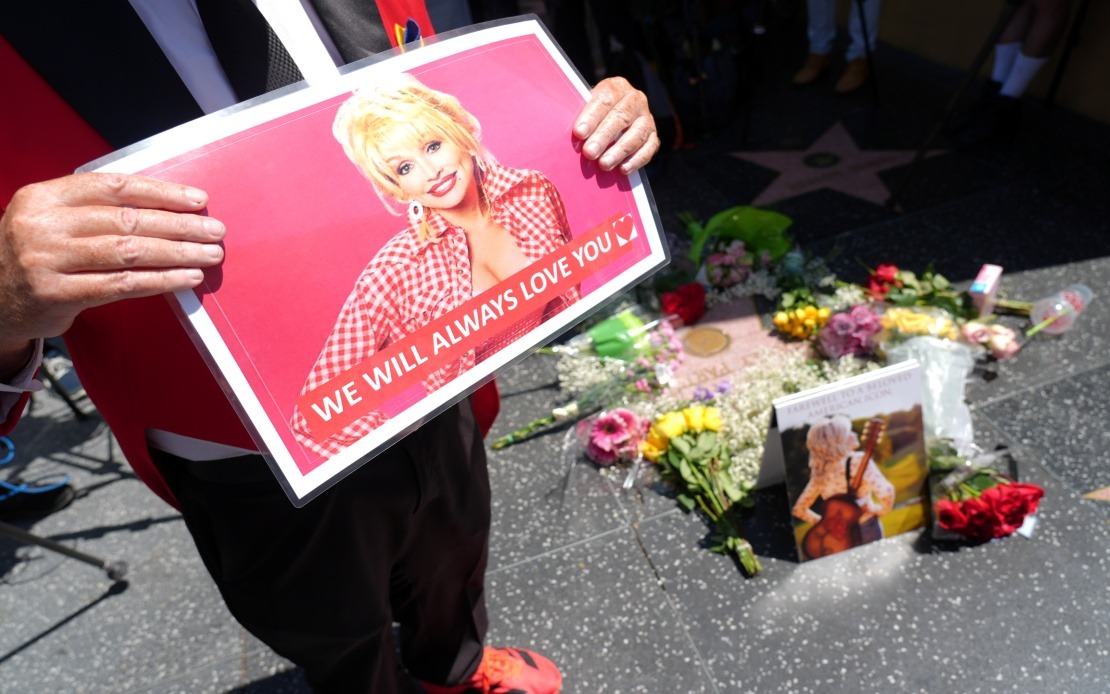
Dolly Parton, the trailblazing American country music icon whose influence extended far beyond the recording studio, has died at the age of 80. The announcement came through her social media channels on Tuesday, with her nephew Bryan Seaver posting a video message on behalf of the Parton family. The cause of death was not disclosed, though Parton had been managing various health challenges in recent months.
The Tennessee-born performer had recently encountered mounting health obstacles that forced significant changes to her professional commitments. She cancelled several scheduled appearances and postponed an eagerly anticipated residency in Las Vegas, citing ongoing medical concerns. Despite these setbacks, Parton maintained an optimistic public presence, informing supporters just days before her passing that she was responding positively to her medication and treatment regimen.
Parton's journey from humble beginnings shaped much of her character and later charitable outlook. Born in 1946 in Sevierville, Tennessee, she emerged from poverty to become one of entertainment's most enduring figures. Her musical education began remarkably early—she was performing on local radio stations by age 10 and had already recorded her debut single "Puppy Love" by age 13. That same formative year marked her first appearance at Nashville's revered Grand Ole Opry, signalling the beginning of an unprecedented career trajectory.
Relocating to Nashville in 1964 proved pivotal in establishing her as a serious creative force. Rather than immediately pursuing stardom as a performer, Parton distinguished herself as a prolific songwriter whose compositions attracted major recording artists. This behind-the-scenes success provided her with both financial security and growing industry recognition before she transitioned into the spotlight. Her profile expanded considerably when she secured a position on Porter Wagoner's nationally televised variety programme, where she remained a featured performer from 1967 until 1974.
The 1970s emerged as her defining artistic decade. Parton's solo recordings during this period produced what many consider her most enduring masterpieces. "Jolene," with its haunting melody and vulnerable lyrics, became a cultural touchstone, demonstrating her gift for transforming personal emotion into universal relatability. "I Will Always Love You" achieved even greater global reach decades later when Whitney Houston transformed it into a monumental international hit, introducing Parton's composition to audiences worldwide who might never have encountered the country music scene.
Parton's creative ambitions extended naturally into cinema and dramatic performance. Her filmography included prominent roles in commercially successful productions such as "9 to 5" alongside Jane Fonda and Lily Tomlin, and "Steel Magnolias," establishing her credibility as an actress capable of commanding major studio projects. These ventures demonstrated her versatility and broad appeal across demographic boundaries, particularly important in an era when country performers rarely successfully transitioned to mainstream film.
Beyond entertainment, Parton cultivated a legacy defined equally by her philanthropic commitments. The Imagination Library, her signature charitable initiative, revolutionised childhood literacy by providing free books to children regardless of economic circumstance. This programme reflected her personal experiences with poverty and her conviction that access to reading materials should not depend on family income. Her humanitarian work earned her recognition comparable to her artistic achievements.
The numerical scale of Parton's professional success proved extraordinary by any standard. Across a career exceeding six decades, she accumulated record sales surpassing 100 million units globally. Her accolades included 11 Grammy Awards and induction into both the Songwriters Hall of Fame and Rock and Roll Hall of Fame—the latter honour particularly significant given that many purists questioned whether country artists belonged in an institution historically dominated by rock musicians.
For Malaysian and Southeast Asian audiences, Parton's passing marks the conclusion of an era in popular music history. While country music has never dominated regional charts, Parton transcended genre limitations through her universal themes and crossover appeal. Her influence permeated global popular culture through film, television exposure, and cover versions that reached listeners far beyond Nashville's traditional sphere. The widespread international reach of "I Will Always Love You" particularly demonstrated music's capacity to bridge geographical and cultural divides, a lesson relevant to Southeast Asia's increasingly interconnected entertainment landscape.
Parton's legacy extends beyond her commercial metrics or entertainment credentials. She represented a particular American archetype—the poor child who leveraged extraordinary talent and determined work ethic to achieve lasting prominence—while simultaneously maintaining authentic connection to her cultural roots and community origins. Her commitment to philanthropy suggested that commercial success need not diminish social responsibility, a principle that resonated globally. Her passing represents the loss of a figure who authentically shaped both popular music and broader cultural conversations about poverty, literacy, and opportunity across multiple generations.

