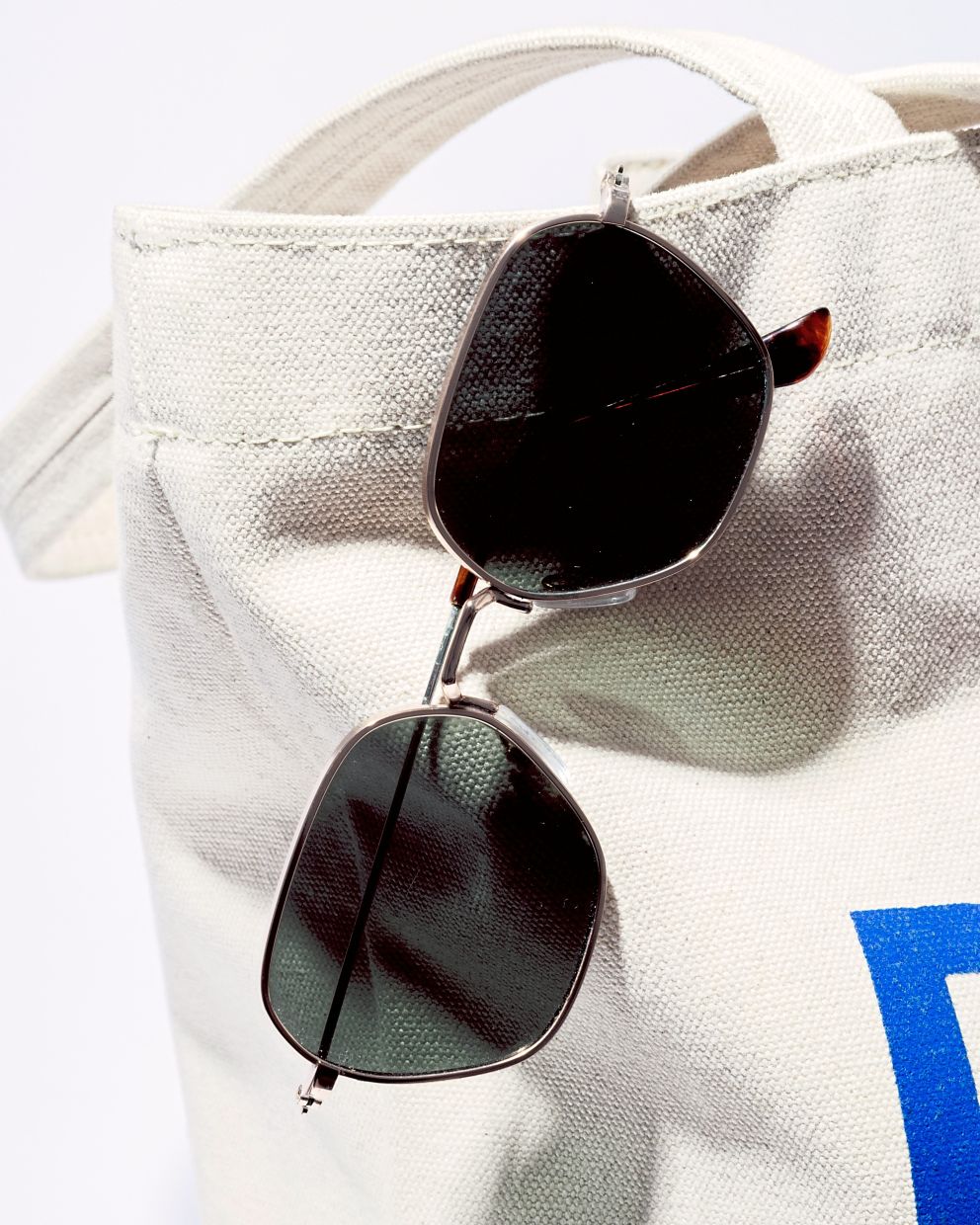
The question of whether sunglasses are truly necessary every time you venture outdoors has a straightforward answer from the medical community: ultraviolet protection for your eyes matters significantly. According to ophthalmologists at leading institutions, the comparison is apt—sunglasses function as a form of sunscreen, shielding not only the eye's surface but also the delicate eyelid skin and surrounding tissue that remains constantly exposed to the sun. For Malaysian readers living in a tropical region with intense, year-round sunlight, this distinction carries particular relevance.
Sunlight reaches Earth carrying two primary types of ultraviolet radiation that pose health concerns: UVA and UVB rays, with the latter generally considered more threatening to ocular structures. Neither type requires a cloudless sky to penetrate the atmosphere; both remain present on overcast days and continue their work throughout the year. This persistent exposure gradually accumulates damage, increasing the likelihood of developing various eye conditions that can compromise vision and comfort.
The most commonly discussed risk involves cataracts, a progressive cloudiness that develops when proteins build up within the eye's lens. While this condition naturally occurs as people age, ultraviolet exposure accelerates the timeline considerably, meaning those without adequate protection may experience vision loss earlier in life. Additionally, UV radiation can intensify macular degeneration, a degenerative disease affecting the macula—the central part of the retina responsible for detailed, sharp vision—and potentially leading to significant sight loss in older age.
Beyond these major conditions, prolonged UV exposure causes two distinct types of abnormal tissue growths on the eye. Pinguecula presents as a small yellowish bump on the eye's white surface and typically causes minor irritation without affecting vision directly. Pterygium represents a more serious concern, as this growth actively extends into the cornea, the eye's clear outer layer. When severe enough, pterygium can distort vision and may require surgical intervention to prevent permanent damage.
The vulnerability extends to areas surrounding the eyes themselves. Approximately five to ten percent of all skin cancers diagnosed in the United States develop on the eyelid—a statistic that applies equally to populations in sunny climates like Malaysia. Nearly every type of cell found in and around the eye can undergo malignant mutation when exposed to excessive ultraviolet light, creating a need for comprehensive protection rather than focusing solely on the eye's interior.
For those already wearing prescription eyeglasses, the situation proves more nuanced than many assume. Modern prescription lenses typically incorporate built-in ultraviolet protection as standard, with most clear lenses manufactured from polycarbonate containing UV-blocking properties equivalent to those found in darker tinted lenses. Even non-polycarbonate options usually receive a protective coating that achieves similar blocking effectiveness. This means individuals requiring vision correction may already possess substantial protection during daily activities, though verification through an optical professional remains advisable.
Beyond direct UV damage, bright sunlight triggers another physiological response that affects long-term appearance and eye comfort. Squinting—the eye's natural mechanism for coping with excessive brightness—contributes to wrinkle formation around the eyes, particularly the fine lines known as crow's-feet. By reducing the stimulus that causes squinting, sunglasses relax the orbital muscles and help prevent premature ageing signs while simultaneously reducing eye fatigue, dry eye symptoms, headaches, and visual strain that many experience during outdoor activities.
When selecting eyewear, consumers should prioritize labeling indicating either "UV400" or "100% UVA/UVB protection," terms that essentially guarantee blocking of 99 to 100 percent of ultraviolet radiation. In regulated markets like the United States, the Food and Drug Administration enforces these labeling standards, making false claims illegal. However, this regulatory framework doesn't exist uniformly across all markets, and exceptionally inexpensive sunglasses—particularly those purchased from informal vendors—often lack any genuine UV protection. Paradoxically, such unprotected dark lenses can prove harmful by causing pupils to dilate, allowing greater quantities of unfiltered ultraviolet light to penetrate directly to the retina.
For Malaysian residents navigating decisions about whether to maintain a separate pair of sunglasses alongside prescription frames, several practical considerations emerge. If you already wear eyeglasses with adequate UV protection and experience no particular light sensitivity, investing in a second pair becomes optional rather than essential. However, individuals planning extended outdoor activities, particularly at higher altitudes, near water bodies where reflection intensifies UV exposure, or during peak sun hours should prioritize additional protection. The cumulative risk from numerous unprotected hours outdoors justifies the modest expense.
Eye care specialists universally recommend a layered protection approach combining multiple strategies. Sunglasses alone provide incomplete coverage, as ultraviolet rays can still strike the delicate eye area from angles around the frame edges. Adding a wide-brimmed hat significantly reduces direct overhead exposure, while broad-spectrum sunscreen protects the sensitive eyelid skin. This combination approach proves particularly important for individuals with outdoor occupations, children whose eyes remain in development, and those with existing eye conditions.
The distinction between necessity and prudence ultimately hinges on personal circumstances and risk tolerance. Direct, unobstructed sunlight exposing the eyes to concentrated UV rays represents the scenario most worth avoiding, while moderate sun exposure with basic protection—whether through prescription lenses with UV coating or dedicated sunglasses—provides reasonable safety for daily activities. The consensus among medical professionals emphasizes that while humans need sunlight and outdoor activity for overall health, deliberately protecting eyes from ultraviolet damage remains a worthwhile preventive measure requiring minimal effort or expense.

