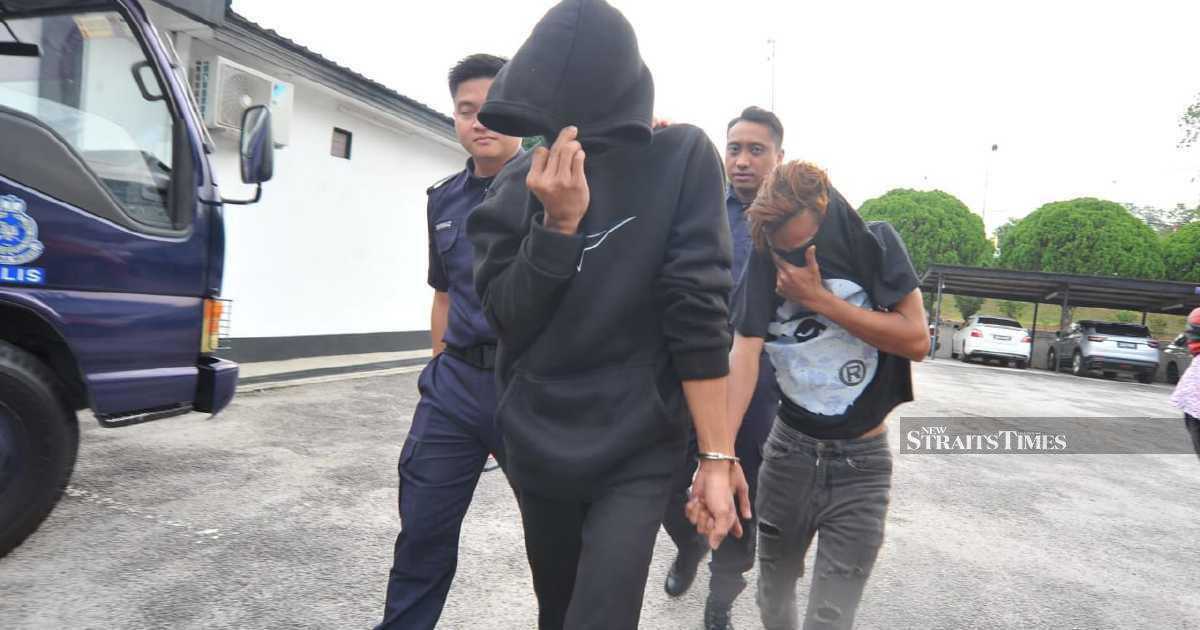
Two mechanics appeared before a Kulai magistrate yesterday to face serious charges stemming from what authorities describe as reckless and dangerous driving during an unlawful street race that took place on the Johor Second Link expressway last Saturday. The case has drawn attention not only for the nature of the alleged offence but also because one of the accused is a disabled man, raising questions about road safety enforcement and the behaviour of drivers on one of the country's busiest international transport corridors.
The Johor Second Link, connecting Johor Bahru to Singapore's Tuas checkpoint, serves as a critical commercial and commuter artery carrying hundreds of thousands of vehicles daily. Incidents of dangerous driving on this expressway pose significant risks not only to the perpetrators but to innocent road users, including families, commercial drivers, and pedestrians. Illegal street racing has long been a concern for Malaysian authorities, with numerous operations launched to combat the phenomenon, which frequently occurs late at night and creates hazardous conditions for anyone sharing the road.
The specific allegations of reckless and dangerous driving indicate that the manner in which these two men operated their vehicles demonstrated a disregard for traffic laws and public safety. Street racing inherently endangers lives, as drivers often exceed speed limits substantially, perform evasive manoeuvres, and operate vehicles in ways that contravene basic road regulations. The expressway setting makes such conduct particularly hazardous, given the high-speed environment and the volume of traffic that regularly flows through that corridor.
The involvement of a disabled mechanic in this case introduces a dimension worth examining carefully. Disability status does not preclude individuals from facing legal accountability for traffic violations, and the charge suggests that functional limitations did not prevent him from engaging in the alleged dangerous driving. This aspect may prompt discussion within disability advocacy circles about inclusivity balanced against public safety imperatives, and whether any special circumstances influenced the situation.
The case reflects broader patterns of traffic enforcement challenges in Johor and across Malaysia. Authorities have implemented various initiatives to curb illegal racing, including roadblocks, surveillance operations, and awareness campaigns. However, the persistence of such incidents suggests that deterrence measures may require enhancement or different approaches. The Johor Second Link, in particular, has occasionally been the focus of enforcement operations, yet cases continue to emerge.
From a legal perspective, charges of reckless and dangerous driving under Malaysian traffic laws carry potentially significant penalties. Convictions can result in substantial fines, imprisonment, or both, and may lead to extended driving bans. For individuals working in mechanical trades, a conviction could have professional ramifications, affecting their livelihoods and ability to operate vehicles commercially. The court proceedings will determine whether the evidence supports the allegations and what appropriate sanctions apply if guilt is established.
The timing of the alleged incident on a Saturday night may reflect a pattern common in street racing communities, where such activities typically occur during non-working hours when fewer commercial vehicles are on the road and enforcement presence might be lighter. Johor's location as a border state with Singapore also presents unique traffic dynamics, as cross-border commuters and commercial transport add to overall volume and complexity on expressways like the Second Link.
For Malaysian drivers and the public, this case serves as a reminder of the dangers present on expressways when a minority of motorists disregard traffic regulations. The second-hand consequences of street racing extend beyond the participants themselves, affecting the safety of ordinary commuters and potentially causing accidents that endanger multiple parties. Insurance and liability considerations also arise when racing activity causes collateral damage or injuries to uninvolved parties.
The Johor Second Link incident also touches on questions about technology and enforcement. Modern expressways increasingly feature surveillance systems, but translating recorded incidents into prosecutions requires timely investigation and evidence gathering. The fact that these charges were filed relatively swiftly following the alleged incident suggests that authorities acted efficiently, though the full details of the investigative process remain to be established through court proceedings.
Moving forward, this case may influence how local authorities approach enforcement on the Second Link and similar corridors. Each prosecution creates precedent and sends signals about the seriousness with which dangerous driving will be treated. Community awareness about the risks of street racing and the legal consequences remains important, particularly among younger drivers who may be attracted to such activities.
As the case progresses through the magistrate's court system, the outcomes will clarify the evidence, establish liability, and determine appropriate penalties. Beyond the immediate legal resolution, the incident reinforces the ongoing challenge facing Malaysian authorities in maintaining safety on major expressways while balancing enforcement resources and public education efforts to discourage dangerous driving behaviour across all segments of the motoring population.

