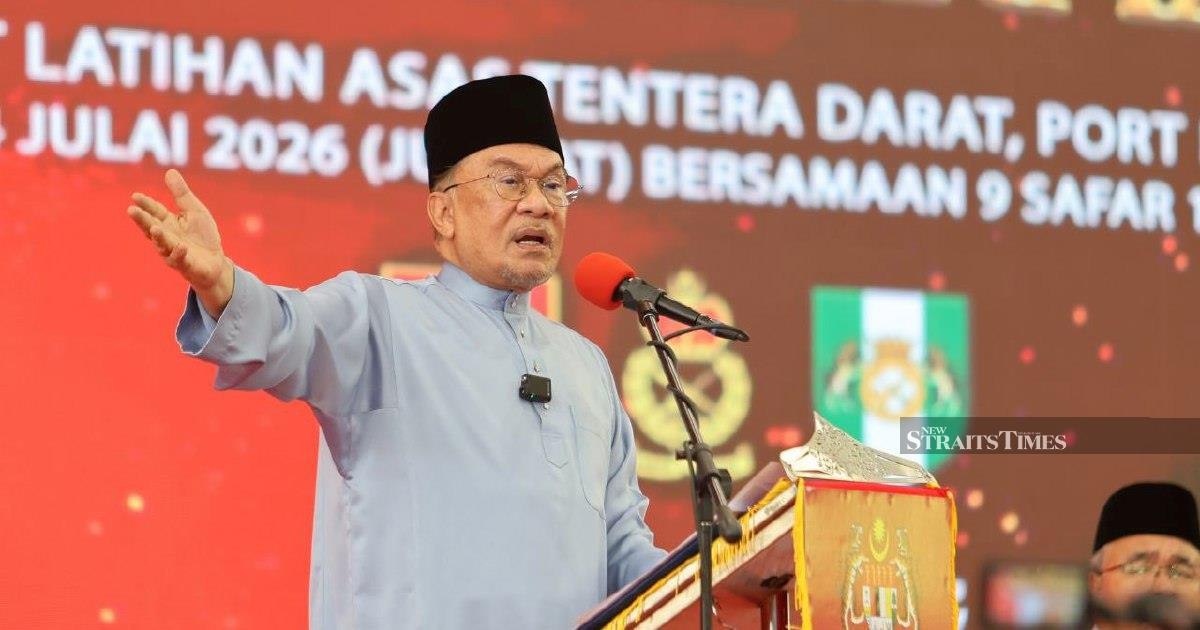
Malaysia has secured a substantial 15 per cent reduction in spending on its Littoral Mission Ship procurement through direct government-level talks with Turkiye, Prime Minister Datuk Seri Anwar Ibrahim announced during a visit to Port Dickson. The achievement underscores the administration's push to extract better value from defence spending through bilateral engagement rather than relying on traditional intermediaries or established procurement channels.
The LCS programme represents one of Malaysia's most significant naval modernisation initiatives, intended to strengthen the Royal Malaysian Navy's capacity to conduct littoral operations and maritime surveillance across the country's extensive coastal waters. By negotiating directly with the Turkish government, Kuala Lumpur bypassed conventional procurement structures that typically add layers of cost and bureaucratic complexity. This approach reflects broader efforts by the Anwar administration to rationalise defence spending while upgrading military capabilities.
Turkiye's shipbuilding industry has emerged as a competitive supplier in the region, offering modern vessels at competitive prices compared to established Western and Asian manufacturers. The country's experience in constructing patrol and offshore vessels, combined with established relationships with regional navies, positioned it as an attractive partner for Malaysia's maritime requirements. Direct G2G negotiations allowed both nations to align technical specifications with budgetary realities without the margin premiums typically imposed by defence contractors or procurement agents.
The 15 per cent saving represents meaningful financial relief for Malaysia's defence budget, which faces competing demands across multiple service branches. In the context of broader fiscal constraints and the need to modernise ageing equipment across the armed forces, securing such efficiencies allows the government to redirect resources toward other critical defence priorities or reduce the overall burden on the national budget. The quantum of savings, whilst not disclosed in absolute terms, likely translates into millions of ringgit available for alternative military or civilian needs.
This negotiating model carries implications beyond the immediate LCS contract. It signals Malaysia's willingness to explore non-traditional partnerships and demonstrate that cost-conscious procurement need not compromise quality or capability. The approach may also strengthen bilateral ties with Turkiye, a growing defence technology provider with ambitions across the Indo-Pacific region. For Southeast Asian nations watching Malaysia's defence procurement practices, the outcome provides a case study in how direct engagement can yield tangible fiscal benefits.
The announcement comes amid heightened focus on Malaysia's maritime security infrastructure, particularly concerning surveillance and interdiction capabilities in contested waters. The LCS vessels, designed for operations in shallow and coastal environments, address specific operational gaps that older patrol craft cannot adequately fill. Reducing procurement costs makes it more feasible to acquire the full planned complement of vessels, potentially accelerating capability delivery compared to a scenario constrained by budget pressures.
Anwar's emphasis on the G2G negotiation channel reflects his administration's emphasis on pragmatic, results-driven diplomacy. Rather than ideological preferences for particular vendor nations, the messaging prioritises securing maximum value for Malaysian taxpayers. This stance appeals to both fiscal conservatives concerned about wasteful defence spending and military professionals eager to modernise equipped forces. It also demonstrates confidence in Malaysia's capacity to negotiate complex technical and commercial arrangements without relying on third-party intermediaries.
Turkiye's competitive positioning in naval markets reflects broader shifts in global defence industry dynamics. Traditional Western suppliers, whilst offering proven technologies, often carry premium pricing. Emerging providers like Turkiye have invested heavily in building world-class shipbuilding facilities and engineering expertise, enabling them to offer comparable capabilities at lower costs. For Southeast Asian nations with constrained defence budgets, such alternatives provide welcomed relief without sacrificing technical standards.
The successful negotiation also underscores Malaysia's active regional diplomacy. Strengthening ties with Turkiye, a NATO member with growing influence in Asian geopolitical discussions, expands Malaysia's diplomatic and strategic partnerships beyond traditional relationships. Defence procurement often serves as a vehicle for deepening bilateral relations, and the LCS arrangement demonstrates mutual commitment between Kuala Lumpur and Ankara beyond purely transactional military sales.
Looking forward, the procurement savings may establish a template for future defence acquisitions. If the LCS model proves successful in delivering expected capabilities on schedule and within revised budgets, the Malaysian military and government may apply similar G2G negotiation strategies to other modernisation programmes. This could involve exploring partnerships with non-traditional suppliers or leveraging bilateral relationships to secure favourable commercial terms on military platforms and systems.
The announcement also reflects confidence in Turkiye's ability to deliver advanced naval vessels meeting Malaysian operational requirements. Turkish shipbuilders have accumulated substantial experience constructing similar vessels for regional and international clients, providing assurance regarding technical capability and project execution. Establishing this relationship opens possibilities for future defence technology cooperation spanning naval systems, maritime surveillance, and related capabilities.
For Malaysian naval personnel, the expanded LCS acquisition programme promises enhanced operational capacity to address maritime challenges ranging from piracy suppression and counter-terrorism to fisheries protection and search-and-rescue operations. Enhanced littoral capabilities strengthen Malaysia's ability to exercise effective sovereignty over its exclusive economic zone and protect vital maritime trade routes passing through regional waters. The cost reduction makes this strategic capability upgrade more affordable within realistic budgetary constraints.

